
Short answer: can a fake betting app or betting bot promise guaranteed wins?
A plain yes or no summary
Short answer: no. A claim that a fake betting app or a betting bot will deliver guaranteed wins is not credible. Statements promising assured returns are a core scam marker and should be treated as an immediate red flag.
So called betting bots do exist as automation tools that place or manage bets, but their availability, distribution, and the claims made about them are constrained by platform rules and local gambling regulations, and they do not guarantee profits Apple App Store Review Guidelines
Quick verification steps to check an app listing
Check official registers first
What 'guaranteed returns' claims mean for users
When you see promises of guaranteed returns or an app that markets a "bot" as a sure path to earnings, that advertising pattern matches common scam behavior. These claims are designed to push users into deposits or one time payments and should be tested against independent verification steps.
Expect the rest of this article to show concrete checks you can run yourself, how to interpret app store signals, and what to do if you think you were targeted.

What is a fake betting app?
Definitions and common variations
A fake betting app is software that misrepresents its licensing, payout capabilities, or the nature of its service. It can appear as an app, a progressive web app that mimics an installer, or a website that prompts you to download a mobile package. Fake apps may claim local licensing they do not hold, advertise impossible guarantees, or push users toward untraceable payment methods.
Common scam behaviors to watch for include false licensing claims, pressure to pay with cryptocurrency or gift cards, and requests to move conversations off publicly monitored platforms. These are established warning signs in consumer protection guidance and are frequently associated with fake betting app scams What to do if you were scammed
How fake apps differ from licensed real money gambling apps
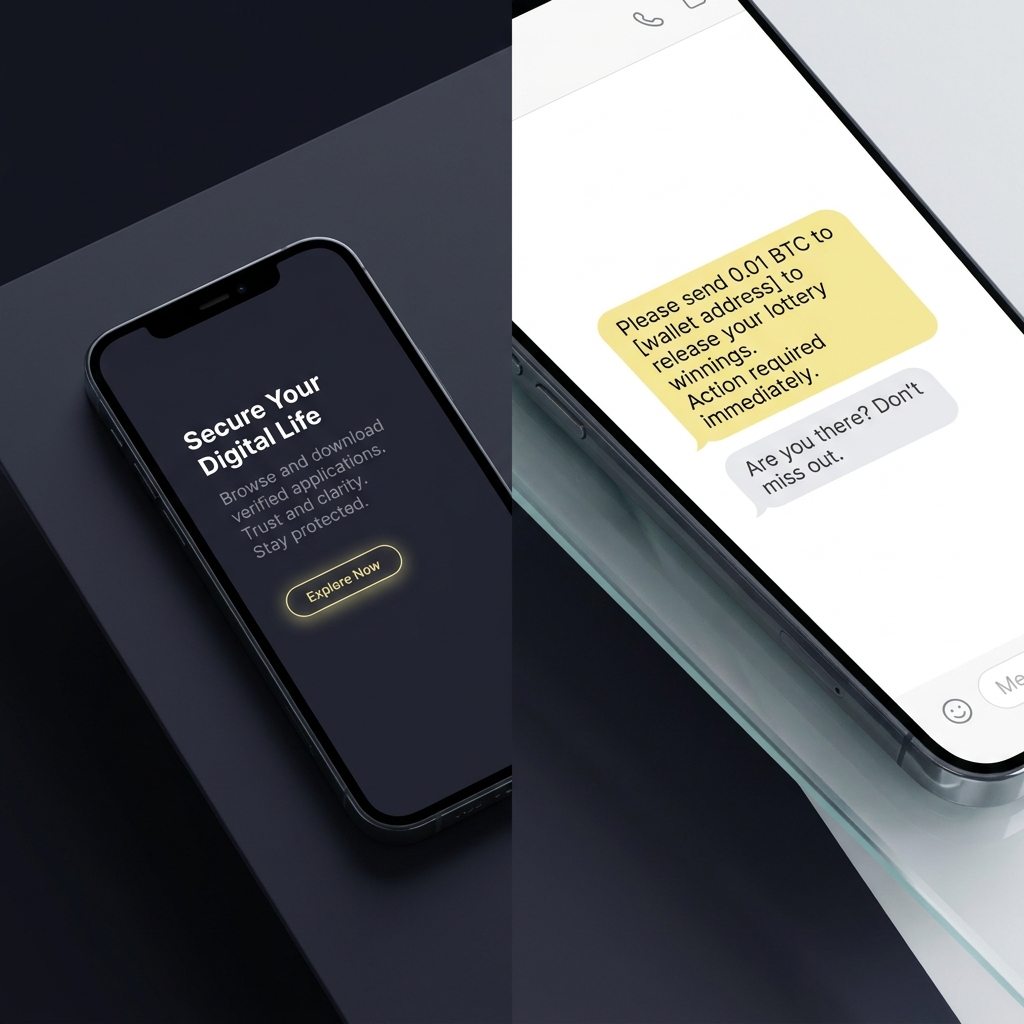
Licensed operators present verifiable information about their legal permissions and will usually list a license number and regulator contact details on their site and app storefront. In contrast, a fake app may show fabricated badges or ambiguous corporate names that are hard to trace. Licensed apps also must follow app store and local rules for verification and geo restriction.
Always treat polished presentation and aggressive marketing claims as insufficient proof of legitimacy; a visually convincing interface is not the same as a verified license or proper app store compliance.
How major app stores regulate gambling apps
Apple App Store rules overview
Apple requires gambling and lottery apps to follow specific review rules that include licensing, age and location checks, and limits on how real money play is offered. An app listed in the store is expected to comply with those requirements, but a listing alone should not be taken as a full validation of suitability or local legality App Store Review Guidelines
No. Betting bots are automation tools, but they cannot legally or practically guarantee profits; any claim of guaranteed wins should be treated as a scam indicator.
Google Play policy highlights
Google Play has also updated its developer policies to require stricter verification for gambling related apps, including proving licensing and implementing geo targeting and user verification. These policy updates mean store listings must meet more checks before they are allowed, though this does not replace checks you should run for your jurisdiction Google Play Developer Policy
In short, app stores enforce baseline rules that reduce the presence of obvious scams but they are one piece of the verification puzzle. Store approval helps but does not substitute for checking local regulator registers and developer identity.
How betting bots relate to apps and why they are not a shortcut to profit
What is a betting bot in practice
A betting bot is an automation tool that places, manages, or monitors wagers according to programmed rules. Some users rely on automation for speed or to implement disciplined strategies; others look for third party bots that claim to produce reliable gains. Those latter claims should be treated with skepticism.
Licensed markets and app store policies restrict the distribution and promotion of automation tools that promise guaranteed returns or that attempt to circumvent verification controls, so such claims typically violate platform rules and local regulations App Store Review Guidelines
Regulatory and platform restrictions on automation
Even where automation is technically possible, regulators and app stores focus on transparency, fair play, and consumer protection. A tool that automates bets still depends on market outcomes and user risk, and it cannot legally promise certain profits without breaking advertising and consumer protection rules.
If a bot promises an easy or guaranteed income, treat it as a likely scam and verify licensing and developer identity before engaging further.
Scam red flags: how to spot a fake betting app quickly
Common verbal and payment warning signs
There are a few recurring indicators that a betting app may be fake: offers of guaranteed returns, pressure to pay by cryptocurrency or gift cards, and requests to take conversations off platform so the operator can avoid visible records. These red flags are called out by consumer protection guidance as high risk signs What to do if you were scammed

Watch for messages that create urgency, claim insider knowledge, or ask you to bypass official payment channels. If multiple red flags appear together, the safest response is to stop communication and run verification checks.
Behavioral red flags in communications
Scammers often use pressure tactics, including tight deadlines or one time offers, to push you toward immediate payment. They may also insist on private messaging apps for negotiation or require an up front fee to unlock winnings. These patterns are common in fake betting app scams and should prompt immediate caution.
If you receive such requests, preserve the messages and treat the interaction as suspicious until you can confirm the operator is licensed and traceable.
Technical checks: app listing, developer identity, HTTPS and domain checks
How to verify an authentic App Store or Google Play listing
Confirm an app listing by checking the official store entry, the developer name, and the contact information provided. Compare the developer name against the company named on the operator's website and look for consistent contact details. A mismatch or a vague developer identity is a common indicator of a fake app Google Play Developer Policy
Also review user reviews and the app's update history for odd patterns such as sudden bursts of new listings or unverified testimonials; these can indicate fabricated social proof.
Checking the developer name, contact details, and website security
Look at the app landing page or the operator's website and inspect the HTTPS certificate and domain registration when in doubt. Simple technical checks, like confirming the site uses HTTPS and that the certificate matches the domain owner, are useful initial steps and are part of national cybersecurity guidance Check if a website is safe
Remember that a secure connection alone does not prove licensing, so pair these checks with regulator register searches when possible.
Step by step verification checklist you can follow right now
Checklist for before you install
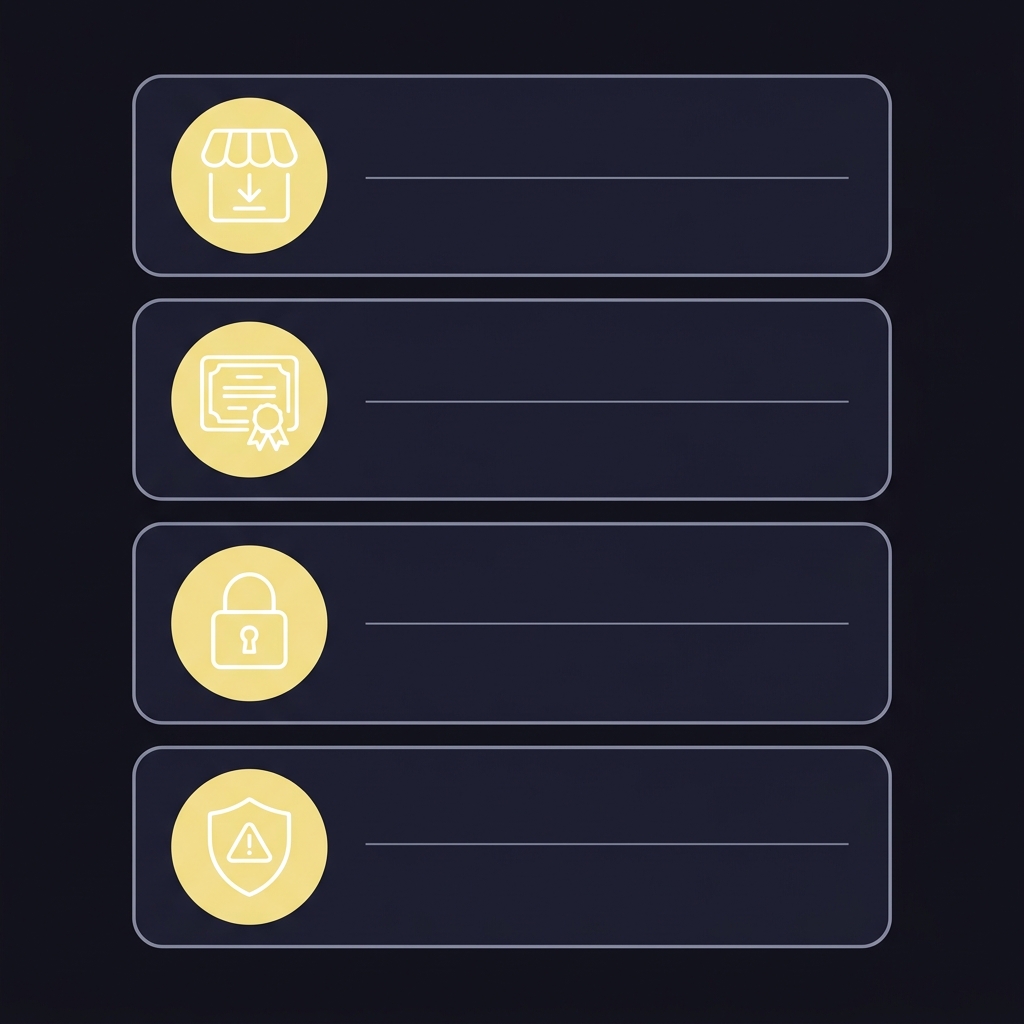
Start with quick, ordered actions: first confirm the app appears in the official App Store or Google Play listing, then verify the developer name and contact details, then search the appropriate public regulator register for a matching license. If any step fails, stop the process and do not install or deposit.
Example regulator checks include national registers such as the UK Gambling Commission public register and US state lists for authorized internet gaming sites, which let you confirm whether a claimed license is genuine (Find a gambling business, Nevada license verification portal, Pennsylvania licensing pages) and see how fundedplays evaluations work how fundedplays evaluations work
Learn about FundedPlays Challenges and how structured evaluation programs work
Run the quick checklist now and stop if you cannot verify the license or developer identity.
Checklist for before you deposit or link a card
Before you add payment details, confirm that the operator accepts traceable payment methods and explicitly refuses gift card or crypto only deposits. Take screenshots of the app listing, the operator's license, and any messages requesting payment. These records are essential if you later need to report or dispute a charge.
If you are unsure where to look for a license, start with your jurisdiction's gambling regulator and then check any local consumer protection alerts, or consult the Funded Plays blog Funded Plays blog. When an app claims a local license but you cannot find the record, do not deposit and consider reporting the listing to the app store.
If you were affected: reporting and recovery steps
Who to contact first
If you suspect you were scammed, act quickly. The U.S. consumer protection authority advises reporting fraud via the official reporting portal and contacting your bank or card issuer promptly to begin a chargeback or refund inquiry What to do if you were scammed
Rapid contact with your payment provider increases the chance of reversing unauthorized charges and can limit further exposure on your accounts.
How to document and report the incident
Collect evidence such as screenshots of the app listing, the operator website, payment receipts, and the entire message history. Keep device logs and any emails as they may be useful to investigators and your bank.
After preserving records, file a report with the relevant local regulator when possible, and submit a fraud report to the consumer protection portal referenced above to help authorities track patterns and warn others.
Decision criteria: when to keep using an app and when to walk away
Minimum legitimacy checklist
Use a conservative test before continuing with any betting app: confirm a verifiable license in your jurisdiction, ensure the developer identity is clear and consistent, confirm secure and traceable payment options, and verify there are no pressure tactics to move you off platform. If any of these minimum criteria are missing, walk away.
Stopping signals include explicit requests for gift cards or crypto deposits, unverifiable licensing claims, repeated off platform contact, or promises of guaranteed returns. When in doubt, pause and verify further before providing personal or financial information.
Typical mistakes and how to avoid them
Trusting app store listings alone
One common error is assuming that an app store listing equals full legitimacy. App stores screen apps but they do not replace jurisdictional licensing checks. Always confirm the license with the relevant regulator and cross check developer details.
Another frequent mistake is ignoring small inconsistencies such as different company names on the app listing and the site, or odd payment instructions. Those small inconsistencies are often early warning signs of a fake betting app scam.
When an app is promoted on social media, first find the official app store listing and check the developer name. Then confirm whether that developer or company appears in the public regulator register for your jurisdiction. If you cannot find a matching license, treat the listing as suspect and avoid installing.
When a social post includes links to chat apps or requests for direct payment, do not follow those links and keep a screenshot of the promotional post for reporting if needed.
An app claims a local license but you cannot find it in the register
If an app claims a license but the license number or company name does not appear in the regulator's public register, do not deposit. Contact the regulator or consult their public guidance page to confirm how to report potential false claims. Regulators maintain public registers precisely for this reason Find a gambling business
Escalate by contacting the app store to report a potentially misleading listing if the license claim appears fabricated.
You were asked to pay by crypto to unlock winnings
Requests to pay by cryptocurrency or gift cards to access winnings are a hallmark of fraud. If you receive such a demand, stop communication and preserve the messages. Then contact your bank or card issuer and file a complaint with consumer protection authorities as a next step What to do if you were scammed
These payment methods are difficult to reverse and are favored by scammers for that reason, so never use them for deposits or to "unlock" funds.
Conclusion: quick checklist and next steps
One page checklist to save
Save this short checklist: confirm the app store listing, verify the developer name, search the public regulator register for a matching license, check that payments are traceable, and refuse requests for gift card or crypto deposits. If any step fails, stop and report.
If you need official help, file a report with consumer protection authorities and contact your bank or card issuer quickly to ask about chargeback options; timely action improves your recovery chances What to do if you were scammed, and visit the Funded Plays homepage Funded Plays.
Check the official App Store or Google Play entry, verify the developer name, confirm contact details, and search the relevant public regulator register for a matching license before installing.
Betting bots are automation tools that may be allowed under specific rules, but they do not guarantee profits and their distribution and claims are restricted by platform and local regulations.
Preserve evidence, report the fraud to consumer protection authorities, and contact your bank or card issuer immediately to request a chargeback or refund inquiry.