

Evaluating Recent Form vs Long-Term Skill: definitions and context
What we mean by recent form
Recent form describes short windows of observable outcomes or probability shifts that suggest a team or player is performing differently than before. In practice recent form is what you see in the last few games, a run of results, or a string of probability changes in market odds. These signals can reflect real changes or random variation, so treating them as conditional information helps you decide how much weight to give them.
What we mean by long-term skill
Long-term skill refers to a sustained edge that survives many events and different conditions. It shows up as consistent positive expectancy, stable forecasting consistency across seasons, and methods that resist simple noise. Long-term skill comes from better information, disciplined process, or a robust model and requires enough sample size to separate it from luck.
Why the distinction matters for sports prediction
The distinction between recent form and long-term skill matters because each type of signal implies different actions. Short-term performance may demand tactical adjustments like updating an assumed lineup or shifting exposure for a single event. Long-term skill informs strategy, bankroll rules, and whether you should change a model. No single rule fits every sport or market. Context, such as schedule density and variance in results, determines the right balance between reacting and staying the course.

Why recent form and long-term skill both matter for prediction
How short-term trends can reflect true changes
Short-term trends can capture sudden, real shifts like injuries, lineup rotation, or tactical changes that affect immediate outcomes. For example a key defender missing multiple games can change a team s defensive profile in ways that matter for the next few contests. Paying attention to these signals can improve event-level forecasts if you verify the underlying cause and its persistence.
How long-term skill protects against overreaction
Long-term skill acts as a brake on kneejerk responses. A reliable forecasting method tends to produce net positive results over many trials even when individual outcomes vary. Protecting the long-term process means avoiding rapid strategy changes based on a handful of results that may be noise rather than signal.
The best decisions come when recent form and long-term skill reinforce one another. If short-term observations align with a model s structural view, you have a stronger basis to increase conviction. Combining the two perspectives tends to reduce error compared with relying only on one source of information. Use corroborating evidence to shift weight gradually rather than making large sudden changes.
A practical framework to weigh Recent Form vs Long-Term Skill
Step 1: Define your decision horizon
Start by deciding whether you are making an event level call, a short series adjustment, or a strategy level change. Your horizon determines how much short-term performance matters. For single events a recent lineup update may dominate. For season scale choices you will prioritize long-term skill and sample size.
Step 2: Quantify signal strength and variance
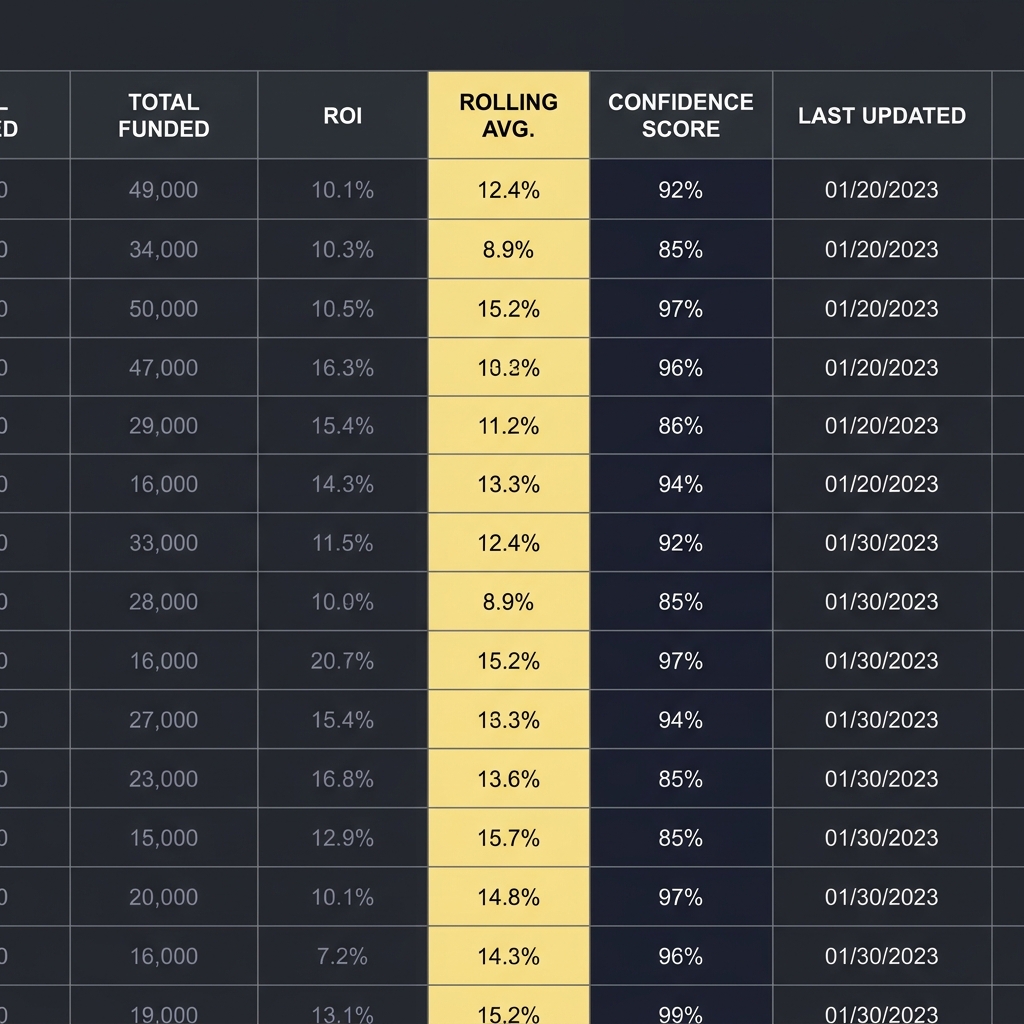
Measure reliability using simple metrics. For recent form use the last N games, rolling averages, and implied probability shifts. For long-term skill use historical return variance, win rate over long windows, and consistency across contexts. Translate metrics into a confidence score you can use in sizing decisions.
Step 3: Apply a weighting rule and test
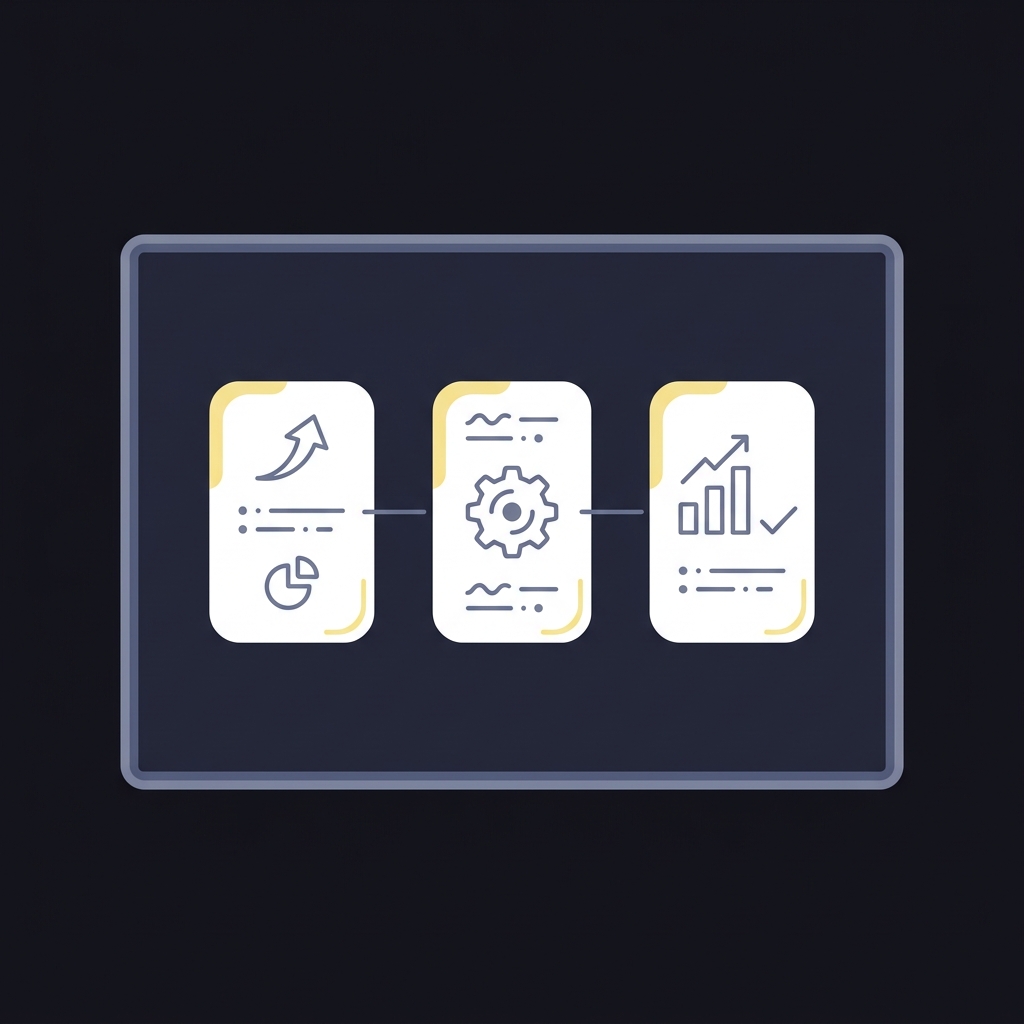
Combine signals using a clear weighting rule. One practical rule is to set a base weight for long-term skill then add a modifier for recent form when the recent sample is above your minimum and the effect size is meaningful. Always test the combined rule on a holdout period before applying it live. That way you can see whether the weighting improves outcomes and avoid chasing apparent short-term gains.

Apply the three-step weighting framework in a challenge
Try the three-step framework in a single evaluation session and record the inputs you used. Use the exercise to see how much recent signals move your confidence before you change live exposures.
Measuring recent form: which metrics to track and why
Basic metrics: last N games, rolling averages, moving probabilities
Keep a short list of metrics you can compute quickly. Track results for the last N games, a rolling average for key stats, and shifts in implied probability from market odds. These numbers give an immediate read on recent performance without overfitting to details that do not generalize.
Contextual modifiers: opponent strength and situational factors
Adjust raw short-term metrics for opponent quality, venue, and schedule context. A win against a weak opponent tells a different story than a narrow result against a top opponent. Similarly, home road splits or back to back game effects are common situational modifiers to include when you judge short-term performance.
Practical data checks to avoid misleading signals
Run sanity checks like comparing recent metrics to longer windows and checking for outliers. Small sample anomalies can masquerade as trends. If a recent spike is driven by a single game with extreme circumstances, treat it with caution and seek corroborating evidence before changing strategy.
Assessing long-term skill: indicators of a real predictive edge
Consistency over many events
True long-term skill shows as consistent positive expectancy across many events and seasons. Look for persistent outperformance after adjusting for variance and sample size. Track performance across different contexts to ensure the edge is not limited to a narrow subset of situations.
Robustness across conditions
An indicator of skill is resilience when conditions change. If a model or person maintains reasonable results across opponent types, venues, and schedule shifts the likelihood that the performance reflects skill rather than random streaks increases.
Longevity and adaptation
Longevity combined with adaptation is a strong sign. Skilled predictors update methods when necessary and retain core strengths. They also document decisions and learn from failures rather than chasing transient improvements.
Use a clear decision horizon quantify signal reliability and apply a tested weighting rule, while managing exposure with conservative stake sizing and a decision log.
Decision criteria: when to favor recent form or long-term skill
Checklist to decide which signal to weight more
Create a concise checklist that you can run through quickly before each adjustment. Items should include recent sample size, effect magnitude, corroborating signals, and whether the change is driven by verifiable events like injuries or roster moves.
Tradeoffs and practical thresholds
Set practical thresholds as starting points not rules. For example increase recent form weight when the recent sample exceeds your minimum N and the implied probability change surpasses your effect size threshold. Treat thresholds as tunable and test them rather than assuming they are universal.
How to document and justify your choice
Write a one sentence rationale for every meaningful change and log the inputs you relied on.
Write a one sentence rationale for every meaningful change and log the inputs you relied on. Over time this decision log reveals patterns in your thinking and the real impact of short-term adjustments on outcomes.
Bankroll and risk management when balancing form and skill
Sizing bets or exposures based on confidence
Scale exposure by a combined confidence score that blends recent form and long-term skill. When confidence is driven mainly by short-term performance reduce maximum stake size relative to when the same confidence arises from long-term evidence. This conserves capital when you are reacting to potentially noisy signals.
Protecting long-term capital when reacting to form
Set drawdown limits and caps on how much short-term signals can change your exposure within a fixed period. These controls keep you from eroding a long-term edge while you test tactical adjustments.
Recovery rules and drawdown planning
Define recovery rules in advance, such as reducing stake size after a given drawdown and requiring a confirmation period before returning to prior sizing. In funded challenge environments these rules are especially important because account rules and drawdown limits can affect qualification status.
track stake sizing decisions based on confidence and evidence
Keep entries short and update immediately after each decision
Common mistakes and cognitive traps when comparing form and skill
Overreacting to small samples
One common mistake is treating short runs as durable changes. Small sample variation is frequent in sports. Avoid pivoting strategy based on a handful of events without verification from larger windows or corroborating indicators.
Confirmation bias and narrative fallacy
Humans prefer stories that fit a pattern. Confirmation bias makes you notice evidence that supports your favored view and ignore counterexamples. Actively seek disconfirming data before making big adjustments.
Misreading coincidental patterns as skill
Coincidence looks like pattern when you do not control for variance. Use holdout checks and simple backtests to see if a suspected pattern persists out of sample. If it does not, treat it as noise and avoid structural changes.
Practical examples and scenarios: applying the framework
Example 1: reacting to a three-game hot streak
Scenario inputs: a team has won three straight, market odds have shifted slightly, but there are no obvious roster changes. Step 1 define horizon: a single next event. Step 2 quantify signal: small recent sample, modest implied probability movement. Step 3 apply rule: keep base weight on long-term skill and apply only a small recent form modifier. Document the choice and monitor the result.
Example 2: adjusting for injury-driven lineup change
Scenario inputs: a starter is ruled out for multiple games. Step 1 horizon: short series. Step 2 quantify: recent form is likely to change materially, opponent quality matters. Step 3 weighting: increase recent form weight because the cause is verifiable and persistent for the window. Reduce stake size slightly to account for model uncertainty and log the rationale.
Example 3: integrating model signals with scouting observations
Scenario inputs: a model flags a drift and a scout reports a tactical change. Step 1 horizon: event to short series. Step 2 quantify: model shows a strong probability shift and scouting offers corroboration. Step 3 weighting: raise recent form weight more substantially while keeping a safeguard on exposure. After the event record outcomes and update long-term performance tracking to see if the scouting signal reliably adds value.
Data sources and practical tools for tracking form and skill
Reliable data feeds and public stats
Use box score data, market odds, and accessible advanced metrics as the foundation of your trackers. Public stats provide raw inputs and market prices provide a useful external test for implied probability changes. Combine both types of data for a fuller picture of short-term performance.
How to build simple trackers
A basic spreadsheet with columns for date event opponent result key stats implied probability and confidence score is often enough to start. Add rolling averages and conditional filters so you can quickly see recent form adjusted for opponent strength. Keep the tracker lean so it remains easy to update.
When to invest in advanced tools
Upgrade to paid feeds or automation when manual processes consume too much time or when your sample size justifies paying for reduced latency or higher quality data. Until then a well structured spreadsheet and disciplined update routine will support most practical needs.
Adapting strategy across a season or changing market conditions
When to recalibrate your weighting
Schedule periodic reviews, for example monthly or after a defined number of events. Recalibrate when you detect sustained shifts in variance or when your holdout checks show a degradation in performance. Use small staged updates rather than sweeping changes.
Signals that indicate regime change
Signals include persistent increases in variance, structural rule changes in the sport, or large shifts in market behaviour. When several metrics change together, treat that as possible evidence of a new regime and run controlled tests before adopting new weightings fully.
How to update models without losing long-term edge
Use staged rollouts, A/B style comparisons, and holdouts to validate updates. Preserve archival versions of models and keep clear release notes so you can revert quickly if the update performs worse in practice.
Behavioral factors: how cognitive biases affect your weighting
Recency bias and availability heuristic
Recency bias makes recent events seem more important than they are. The availability heuristic amplifies memorable results. Use rules and minimum sample sizes to counteract these instincts and avoid overweighing vivid but atypical outcomes.
Loss aversion and risk seeking after losses
After losses people often take larger risks to recover quickly. That behaviour can erode long-term performance. Stick to predefined recovery rules and avoid dramatic changes after emotional reactions to bad runs.
Remedies: rules, checklists, and cooling-off periods
Practical fixes include a decision checklist a mandatory cooling-off period after streaks and peer review for high impact adjustments. These process controls reduce the chance that bias drives your weightings.
How to test and validate your assessments
Simple backtests and holdout checks
Run a basic backtest or keep a holdout period when you try a new weighting rule. Use historical data to see if the adjusted weighting improved expected returns out of sample and watch for overfitting to the training window.
Tracking performance after changes
After implementing a change track outcomes for a reasonable monitoring window and compare them to the prior period. Log both quantitative metrics and qualitative observations so you can interpret why a change did or did not work.
Interpreting results and avoiding false positives
Be cautious about positive results from small tests. Statistical noise can create false positives. Favor multiple confirmatory checks and remain patient before concluding that a change yields durable improvement.
Conclusion and a practical checklist for ongoing practice
One-page checklist to save and follow
Save a short checklist you can use before making adjustments. Include items such as horizon, recent sample size, effect magnitude, corroborating signals, stake sizing change, and an entry in the decision log. Use the checklist to keep decisions consistent and reviewable.
Next steps for continuous improvement
Start a decision log run a small backtest of your weighting rule and set regular review dates. Over time these steps build a clearer view of whether recent adjustments help or hurt your long-term edge.
Ethical and platform-specific reminders
Remember to avoid promising outcomes and to follow platform rules when participating in structured challenges. Funded challenge environments have specific drawdown and qualification rules that should inform your risk management and documentation practices.
Check for verifiable causes like injuries or roster changes, verify the recent sample size is above your minimum, and look for corroborating signals before increasing weight on recent form.
A holdout should cover enough events to reflect typical variance in your market; commonly this is several dozen events, but adjust based on the sport and the frequency of matches.
No, thresholds depend on sport variance, schedule frequency, and market depth; use them as starting points and adapt after testing.
References
- https://www.fundedplays.com/blogs/how-fundedplays-evaluations-work
- https://www.fundedplays.com/challenges
- https://www.fundedplays.com/blogs
- https://www.fundedplays.com
- https://www.mdpi.com/2076-3417/15/13/7254
- https://www.catapult.com/blog/sports-analytics-machine-learning
- https://pmc.ncbi.nlm.nih.gov/articles/PMC12382096/