
Quick definition: which weaknesses matter for player props
What we mean by weakness in a prop context
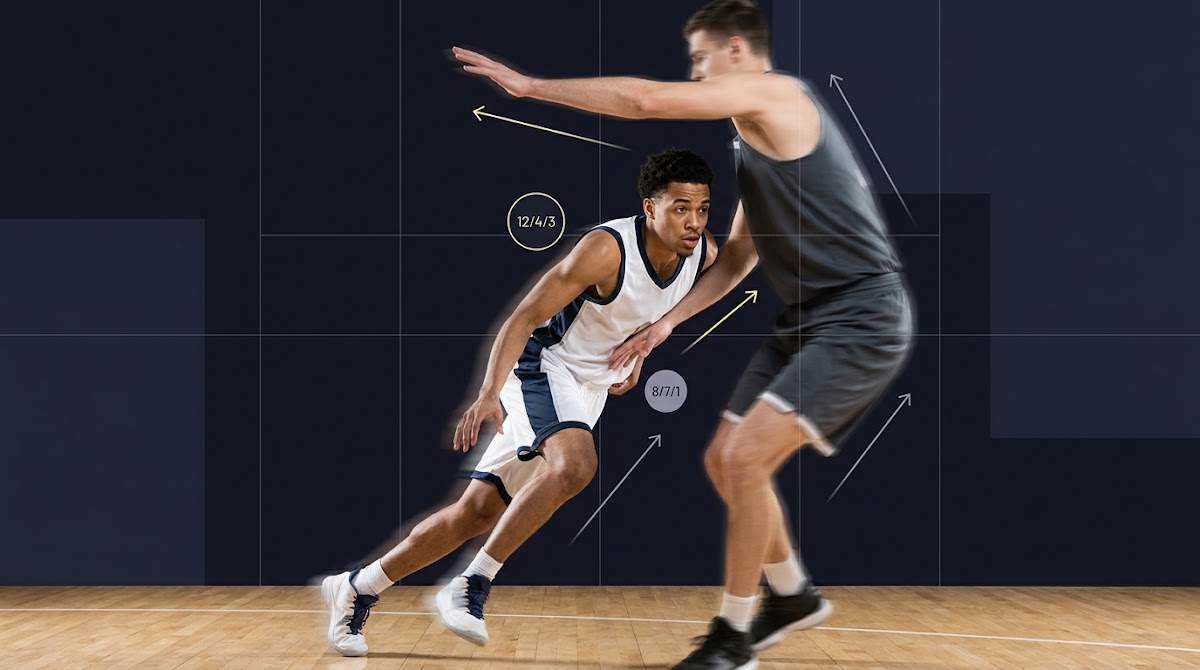
When adjusting donovan mitchell player props you want a tight definition of weakness that matters to short term outcomes. For prop decisions, weakness means traits that systematically change scoring volume, shot efficiency, or turnover likelihood over a single game window. One clear structural trait is Mitchell's size profile, since his 6-3 frame places him as an undersized wing relative to many off guards and creates exploitable matchup risk, particularly on switches and post opportunities, as shown on his player page.
Run the matchup checklist before you lock a prop
Before you lock a line, run through the short matchup checklist in this article to confirm opponent length, switch tendencies, and recent shot mix shifts.
How a weakness changes variance for scoring and turns
Size and matchup exposure alter variance, not just mean outcomes. An undersized off guard is more likely to see contested midrange attempts, harder catch and drive finishes, and occasional foul trouble in cross matches, which increases both upside plays and low-end scoring floors. The height and position context matters most when opponents force switches and isolate him on longer wings, so check matchup length before sizing stakes.
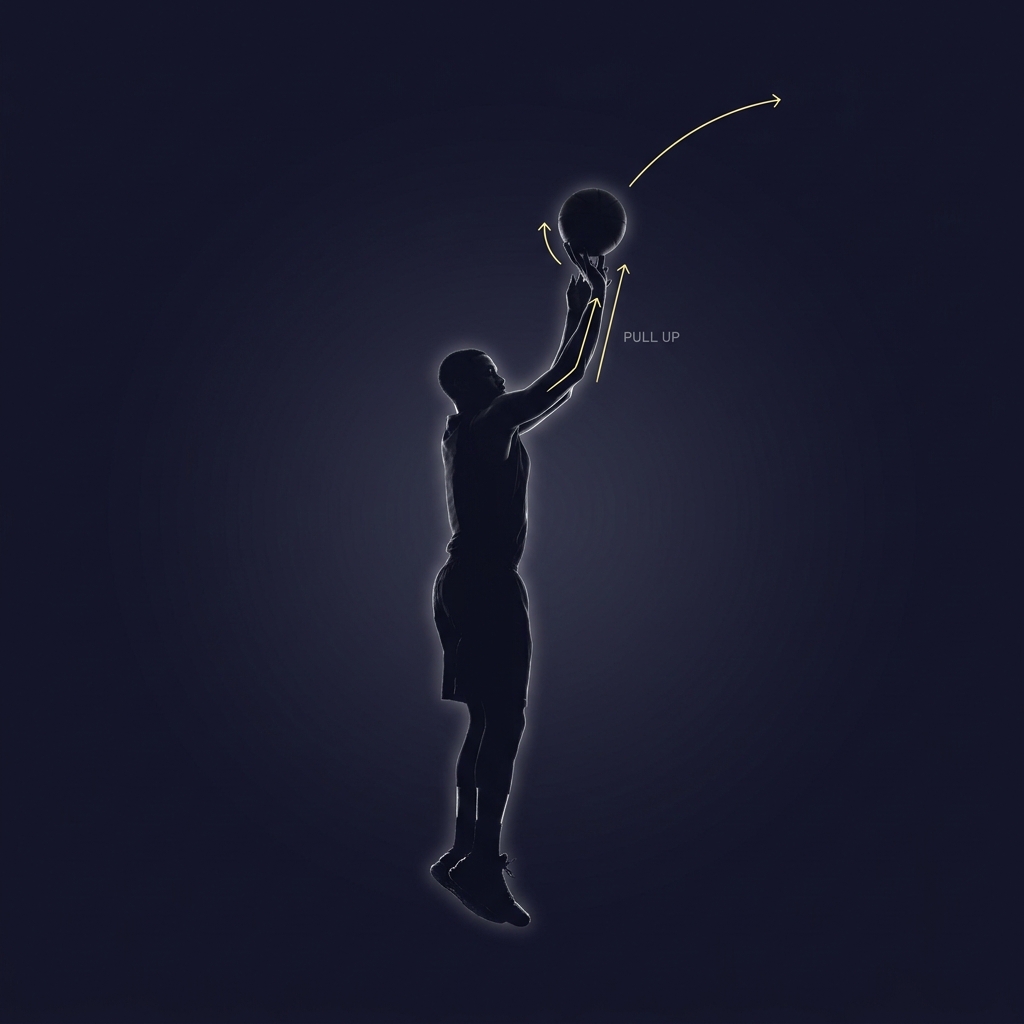
Offense style also shifts prop expectations. Mitchell's shot diet leans into pull up attempts and drives, and tracking splits show pull up threes have been less efficient than catch and shoot attempts, while drives carry a measurable turnover component on penetration. That mix pushes three point and turnover props in opposite directions and requires active adjustments for three point attempt quality and turnover risk, as seen in shooting splits and drive tracking.

How Mitchell's weaknesses translate into actionable prop adjustments
Types of props affected
Points props, three point props, assist lines and turnover totals are all influenced by Mitchell's profile. Three point props shift when pull up three share rises versus catch and shoot volume. Turnover and assist props move when drive frequency combines with opponent pressure to increase dig and trap outcomes. For concrete model tweaks, treat pull up share and drive turnover as primary modifiers to three and turnover lines respectively.
Direct adjustments and margin of error to consider
Example adjustments: reduce expected three point makes if a high share of attempts are pull ups; increase turnover expectation if opponent shows trap or help heavy schemes; widen the confidence interval for points props when recent game logs show large scoring swings. When assessing three point lines explicitly, check shooting splits to see how pull ups performed in the season sample to calibrate the efficiency delta you apply.
Modelers should increase margin of error rather than make large directional bets on a single signal. Use pull up efficiency and drives turnover rate as moderate weights and widen bands when opponent length or pace add uncertainty. Applying these adjustments consistently helps avoid overreacting to small samples.
Size and matchup vulnerabilities: which opponents exploit him
How switches and cross matches hurt defensive outcomes
Mitchell is an undersized off guard at about 6-3, so matchups that force him to guard longer wings or to defend post ups tend to reduce his defensive effectiveness and can make scoring harder or less efficient for him when opponents exploit size advantages, a pattern visible on his player profile.
Size relative to opponent wings, a pull up heavy shot mix that reduces three efficiency, a measurable turnover component on drives under pressure, and pronounced game to game scoring volatility; combine these signals with lineup and minutes checks before betting.
When to favor fading his scoring props
Favor tempering points and three lines when the opponent deploys long wings, consistently switches ball screens, or mixes in post ups against him. Closest defender metrics do not show elite suppression, but defeats in switch actions often accumulate into tougher finishing looks and higher contest rates across a game, so check lineup length and switch frequency before backing aggressive scoring props.
Shot selection and three point props: the pull up tradeoff
Pull up versus catch and shoot efficiency
Pull up threes have been a recurring tradeoff in Mitchell's shot profile, with season splits showing pull up three efficiency lagging his catch and shoot three efficiency while pull ups make up a notable share of his attempts. That mix lowers three point expectation when pull up volume climbs, so treat games with high pull up share as lower probability for hitting large three prop lines.
When to expect lower three point outcomes
Scan recent game logs for shifts toward pull up volume before placing three props. A stretch of games where pull up attempts rise or where defenses force him to generate his own shot typically correlates with fewer catch and shoot opportunities and lower three point percentages, increasing downside risk for three total lines. Use the season shooting splits as context to estimate the efficiency gap between pull ups and catch and shoot attempts.
Drives, turnovers and pressure: when assist and turnover props move
Tracking data on drives and turnover correlation
Player tracking shows Mitchell's drives include a measurable turnover component, indicating susceptibility to help and dig pressure on penetration. When defenses apply consistent traps or aggressive help, his drive outcomes more frequently end in turnovers or kickouts rather than clean finishes, which should push turnover props higher in those matchups.
Defensive schemes that raise turnover risk
Trap heavy defenses, drop coverages that force baseline drives into help, or coordinated dig schemes on drives tend to increase his turnover rate on penetration. Before placing turnover or assist props, check opponent tendencies for team-level trap and help rates along with recent game plans that specifically target ball handlers in pick and roll or isolation sets.

Defensive impact metrics: what EPM and closest defender numbers tell us
Interpreting EPM and defensive tracking
One number defensive metrics place Mitchell near neutral to slightly negative on defense in recent seasons, which aligns with the view that his primary value is offensive. Use EPM as a context weight rather than a decisive signal when setting props, since it aggregates many factors that may not directly change short term prop outcomes.
Limits of single number defensive metrics
Closest defender defensive tracking also shows only middling opponent field goal percentage suppression for him, so avoid overfitting to a single defensive stat. Blend EPM, closest defender splits, matchup length and switch frequency to form a fuller view of how a given opponent might impact his scoring and efficiency in a single game.
Scoring volatility: modeling game to game swings for points props
Evidence of scoring volatility
Game logs illustrate notable game to game scoring volatility, with frequent spikes and dips that increase variance for points-based props. That volatility means single game outcomes often deviate materially from season averages, so models should widen expected ranges for points props on Mitchell, especially when matchup signals are mixed.
Practical volatility adjustments
Practical rules include widening confidence bands around points props during volatile stretches, scaling down stake size on high variance matchups, and conditioning the model on minutes and pace to avoid overrating outlier scoring performances. Combine recent log patterns with opponent coverage tendencies to determine whether a wide band or a tighter estimate is more appropriate.
quick variance scaler for single game points props
use as context only
Matchup checklist: the quick items to scan before betting a Mitchell prop
Pregame checklist
Check opponent wing length and switch frequency first, since those two items are highest impact for Mitchell's matchup risk. Confirm whether the opponent plays prolonged switch actions or deploys longer stoppers on the primary perimeter minutes, and then cross check for trap usage and help frequency to assess turnover risk.
Inplay signals to watch
During the game, watch the count of pull up attempts, the number of times Mitchell is forced into baseline drives, and whether the opponent is switching ball screens. Sudden increases in pull up attempts or systematic trapping on drives should lead you to re-evaluate three and turnover props midgame.
Practical scenarios: three concrete prop examples and how to adjust lines
Scenario 1: long wing matchup on switches
Scenario, step 1: the opponent starts a 6-7 primary wing and plans to switch ball screens. Step 2: reduce the expected three point efficiency and cut the points expectation slightly because contested catch and drives rise when he matches up on longer wings. Step 3: scale down stake size or widen confidence interval to reflect the increased variance that switch actions introduce.
Scenario 2: high pull up volume game
Scenario, step 1: recent logs show Mitchell taking more pull up threes than catch and shoot looks. Step 2: apply a negative efficiency adjustment to three point expectation based on the season split differential between pull ups and catch and shoot. Step 3: favor smaller bets or the under on three props if the line is tight and the opponent is not providing many open looks.
Scenario 3: trap heavy defense
Scenario, step 1: opponent defensive profiles indicate above average trap and help rates on ball handlers. Step 2: increase turnover expectations and decrease assist projection marginally since more drives will end in disrupted possessions. Step 3: consider hedging by backing the over on opponent turnovers or scaling down exposure to Mitchell assist props.
Common mistakes and traps when using Mitchell's weaknesses for props
Overweighting single metrics
A common mistake is relying solely on EPM or one tracking number to set prop expectations. EPM and closest defender metrics provide helpful context, but they do not capture matchup specificities like switch frequency or lineup length that drive single game outcomes, so combine metrics rather than treating any one as definitive.
Ignoring role and minutes context
Another trap is ignoring recent usage and minute changes that can erase matchup signals. A sudden increase or decrease in minutes, or a role change where he faces primary defensive attention, will alter baseline projections and can make otherwise solid matchup-based adjustments irrelevant. Always confirm minutes and role before placing a large wager.
Lineup and minutes: role changes that shift prop expectations
How starters and bench matchups matter
When Mitchell faces primary defensive assignments because of lineup decisions, the matchup impact compounds. If a starting lineup deploys a longer wing to shadow him for extended minutes, expect more contested looks and adjust points and three expectations down. Conversely, if bench matchups reduce slash coverage, his efficiency can trend up.
Minutes volatility and its effect on props
Minutes projections matter because all rate based props scale with playing time. Use recent game logs to detect minute volatility and adjust per minute expectations accordingly. If minutes drop unexpectedly, reduce exposure or seek alternative lines that limit variance from role changes.
Pace and opponent scheme: how game environment alters prop forecasts
Pace effects on scoring volume
Faster paced games increase raw scoring opportunities, raising the baseline for points and three attempt volume. Combine pace with Mitchell's shot diet to estimate likely attempt counts; if pace is high but opponent uses trap tactics, the net effect may be more possessions but lower scoring efficiency per possession.
Scheme interactions with Mitchell's tendencies
If an opponent plays help heavy defense or frequently traps pick and rolls, expect drives to end in kickouts or turnovers rather than high probability finishes. Combine team pace with team trap and help metrics to refine projections for both scoring volume and turnover risk.
Simple model checklist: how to fold Mitchell signals into a basic prop model
Input variables to include
At minimum include opponent wing length, pull up share, drives per game, turnover on drives rate, recent scoring volatility from logs, and minutes projection. These inputs capture the main signals that emerge from his profile and the opponent's scheme.
Weighting suggestions and risk scaling
Weight pull up share and drives turnover as moderate inputs, perhaps twice the weight of single number defensive metrics like EPM in a simple model. Treat EPM as context that nudges lines but does not determine them. On volatile games widen bands and reduce bet size to manage risk.
Conclusion: practical rules for betting or modeling Mitchell props
Three quick takeaways
Adjust threes for pull up share, raise turnover expectation against trap teams, and widen point prop ranges when scoring volatility is high. These rules follow directly from his shot mix, drives profile and game to game variance and provide a structured way to apply matchup signals.
How to keep the approach disciplined
Use consistent checklists and modest weightings for each signal, confirm last minute lineup and minutes, and avoid overfitting to a single metric. Applying the checklist in the ten minutes before lock is a practical habit that reduces impulsive decisions and keeps stakes aligned with model uncertainty.
His 6-3 frame makes him vulnerable to longer wings on switches, which can lower scoring efficiency and increase contested attempts, so adjust lines when opponent length is high.
Generally yes, higher pull up three share has correlated with lower three point efficiency, so treat pull up heavy games as higher risk for three overs.
No, EPM is context; use it as one input alongside matchup length, minutes and recent game logs rather than as a sole decision driver.
References
- https://www.fundedplays.com/blogs
- https://www.nba.com/watch/video/donovan-mitchell-nails-the-pullup-3-off-the-glass
- https://www.nba.com/news/film-study-donovan-mitchell-cleveland-cavaliers
- https://www.espn.com/nba/player/gamelog/_/id/3908809/donovan-mitchell
- https://www.fundedplays.com/challenges
- https://www.fundedplays.com
- https://www.fundedplays.com/blogs/how-fundedplays-evaluations-work