
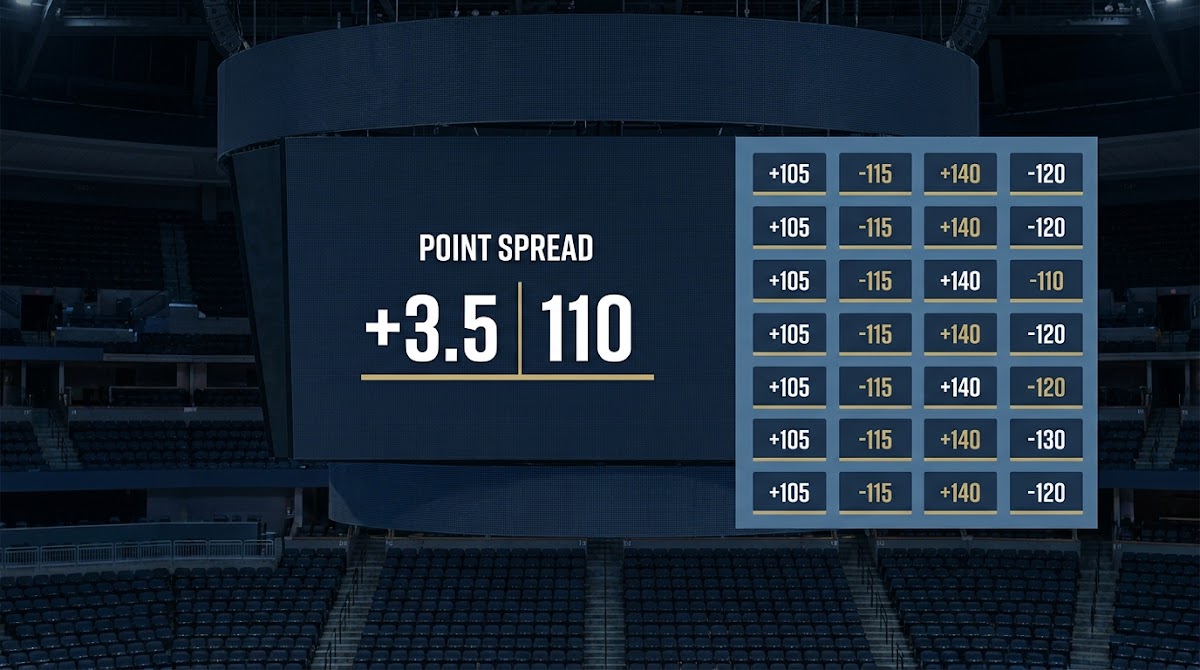
What the cowboys point spread means
The cowboys point spread is a market handicap that sets a margin of victory to balance the matchup between two NFL teams; favorites are shown as negative numbers and underdogs as positive numbers, so a notation like Cowboys -3.5 represents an illustrative margin rather than a current live line. Investopedia point spread explainer
Reading a spread is about margin outcomes, not just which team wins. If the Cowboys are the negative number, they must win by more than that margin to cover. If they win by exactly the margin it can be a push, and if they win by less or lose outright the underdog covers. This distinction matters because the spread settles on the final score margin rather than the straight result, which changes how you interpret a Cowboys result versus a simple win or loss.
Practical outcome types against the spread are usually described as cover, push, or fail to cover. A cover means the team beat the spread margin, a push returns the stake when the margin equals the spread, and a failure to cover means the team did not reach the required margin. This framing helps you translate a numeric line like Cowboys -3.5 into one of those outcomes without assuming any particular live price or book.
Below is a small calculator-style explainer you can use to check break-even probabilities for a simple spread, followed by plain-language context so readers can follow along without technical background.
Estimate break-even probability from spread and juice
Use illustrative values only
The phrase cowboys point spread appears early here so you can immediately tie the concept to the team. Understanding the notation and outcome types is the foundation for the remainder of the article, where we discuss where to find a live Cowboys spread and how to compare price and movement across markets.
Where to check the current Cowboys spread fast
For a fast check of the latest Cowboys spread, use live odds aggregator pages that collect lines from multiple books and display movement indicators and timestamps; these pages make it easy to see a consensus and spot recent shifts. TheLines Dallas Cowboys odds hub
Aggregators are useful because they present spreads, moneylines, and totals side by side for quick comparison, while team-specific odds hubs often include movement charts and time-stamped updates that explain recent changes. If you want a quick snapshot, start on an aggregator for consensus and then open one or two individual book pages if you need exact price details.
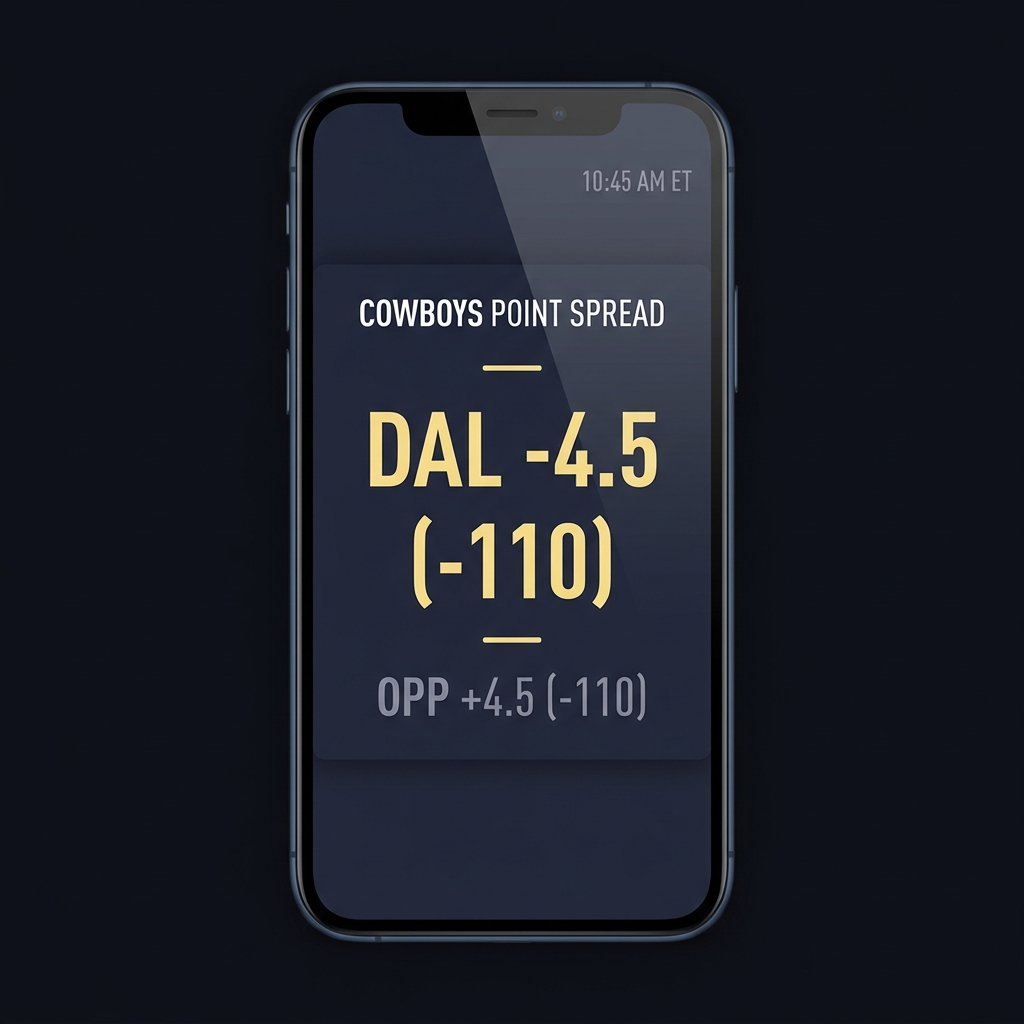
When speed matters, check the timestamp on the odds page and look for a labeled movement history or a simple note on when the line last changed; that reduces the chance of acting on a stale screenshot or an outdated article. Aggregators typically label recent moves and sometimes summarize the reason for a notable shift, which is useful when the Cowboys line moves around injury reports or weather alerts.
Team-specific hubs for the Cowboys are particularly convenient on game day because they often group spread, total, and moneyline together and refresh frequently during the week. These pages are commonly used by both casual fans and experienced handicappers to get a quick read on how market sentiment is evolving before kickoff. Action Network Cowboys odds
When comparing sources, note that different hubs may show the same spread number but list different prices for the same wager; this is why a fast aggregator view plus a confirmation on an individual page is a practical two-step for live checks. If you want to see multiple reputable aggregators side by side, TheLines, Action Network, VegasInsider, OddsTrader, and Covers are common starting points for a consolidated view. VegasInsider Cowboys odds

Why Cowboys lines move: injuries, markets, and timing
Line movement for a Cowboys game often reflects a mix of concrete updates and market action: injury reports and lineup news can prompt immediate number changes, weather can alter expected scoring margins, and early betting patterns from the public or sharp bettors can shift both the spread and its price. Legal Sports Report on spread drivers
It helps to distinguish between movement that changes the spread number and adjustments that change only the price or juice. A shift from Cowboys -3 to -3.5 is number movement, while holding the same number but moving from -110 to -120 is a juice adjustment; each suggests different market dynamics and should be interpreted with that distinction in mind. Movement size and speed matter: a sudden large swing close to game time often signals significant new information or concentrated sharp action, while slow drift over days can reflect more balanced public money.
Practice spreads with FundedPlays challenges
Check the live consensus or set an alert on an odds hub so you can see whether a last-minute report is shifting the market.
Timing matters because the most meaningful movement often happens in specific windows: immediately after major injury news, following a weather update that changes game conditions, or in the hours just before kickoff when books adjust to late action. Tracking timestamps and movement history on an aggregator gives you context for whether a change is isolated or part of a broader market trend. TheLines movement notes
When you see movement, pause to find the likely cause before reacting. A small intraday move without a corresponding news item may be noise, while a similar move tied to a confirmed injury or lineup change is more actionable. In short, interpret movement with cause and scale in mind rather than reacting to every tick of the market.
Spread number versus price: reading juice and expected cost
The spread number and the juice are distinct but related. The spread shows the margin that determines the outcome, while the juice, also called vig, is the fee or price a book charges to take the wager; understanding both is necessary to compare expected value across offers. Investopedia on spread and vigorish
A practical illustration: two offers might show similar spread numbers but different costs, such as an illustrative comparison of -2.5 at -115 versus -3 at -105. The first requires a slightly smaller margin to cover but carries a higher price, while the second a slightly larger margin but a lower cost; the trade-off affects the break-even probability and which line offers better expected value for a given view. Use these comparative views to decide which position better matches your forecast.

Remember that identical spread numbers across books do not guarantee identical cost structures, and the real decision should consider both the required margin and the price you would receive and how that changes your break-even threshold.
Step-by-step checklist to compare Cowboys spreads before kickoff
1) Open an odds aggregator for a quick consensus view to see the range of spreads and any flagged movement. Aggregators give a fast read on where most books sit for the Cowboys and reveal whether a number is an outlier or part of a broader market. TheLines aggregator
2) Confirm timestamps and view the line history or movement chart to understand when changes occurred and whether they line up with news such as injuries or weather. Time-stamped updates reduce stale-line risk and clarify whether a recent move is explanatory or unexplained.
The point spread is a margin-based handicap that tells you how many points a team must win by to cover; for the current live Cowboys spread, check a reputable odds aggregator and confirm timestamps and price on one or two individual pages before kickoff.
3) Open one or two individual book pages to confirm the exact price you would receive; compare both spread number and juice and record the timestamps so you can re-check within your final pre-game window. This step verifies whether the aggregator consensus carries the same cost on an account you can access. Action Network confirmation For a direct book example, check an individual book page such as DraftKings.
4) If prices differ between similar numbers, compute a simple break-even or implied probability to see which offer gives better value for your forecast. If you plan to use the spread information in a skill-based challenge or simulation, note the timestamp and any relevant market notes so your decision reflects the most recent market state. VegasInsider odds For more on evaluations, see how Funded Plays evaluations work.
5) Final pre-game check, within the last 30 minutes before kickoff, to make sure no late injury, weather, or market action changed prices; re-check aggregator consensus and the individual book you plan to use for exact execution. If you follow this ordered checklist you reduce stale-line risk and make better-informed comparisons under time pressure.
Common mistakes when using spreads and how to avoid them
A frequent error is focusing only on the spread number and ignoring the juice, which can flip the expected value of an otherwise seemingly better number. Two identical spreads can be meaningfully different once you account for price, so always check the vig before you decide. Legal Sports Report on common pricing pitfalls
Another common mistake is using stale lines from screenshots or social posts; odds move continuously and a line posted earlier in the day may no longer be available. Avoid this by using live pages with timestamps and by recording when you checked the market so you can re-verify close to your decision time. TheLines timestamp guidance
Overreacting to small intraday moves without checking the cause is also typical. Small fluctuations are routine and often noise, so seek a corroborating news item or sizable market action before treating a tiny move as meaningful. As a final precaution, remember to account for timing and rules when you apply spreads to a skill-based challenge or virtual funded account exercise so you remain aligned with platform requirements. Funded Plays
Quick recap and responsible next steps
Key takeaways: know that a point spread sets a margin of victory, check both the spread number and the juice, and verify live consensus on reputable aggregators before acting. These steps help you understand what a Cowboys spread represents and how to compare offers responsibly. Covers Cowboys odds hub
Use spread information as a tool for disciplined prediction and evaluation rather than a guarantee of outcomes. See related posts on the Funded Plays blog

Next action: open a live odds aggregator, confirm timestamps and movement, and re-check within your final pre-game window to see the actual current cowboys point spread for the game you care about. That sequence keeps you on the latest market and reduces the chance of stale information affecting your decision.
Books set a spread to balance the matchup by estimating a margin of victory; markets then adjust the number and price as new information arrives.
Yes. The spread number can be identical while the juice differs, which changes the break-even probability and expected value.
Start with a live odds aggregator to see consensus and movement, then confirm price and timestamp on one or two individual book pages before the final pre-game window.
References
- https://www.investopedia.com/terms/p/pointspread.asp
- https://www.thelines.com/nfl/odds/dallas-cowboys/
- https://www.actionnetwork.com/nfl/dallas-cowboys-odds
- https://www.vegasinsider.com/nfl/teams/dallas-cowboys/
- https://www.legalsportsreport.com/betting/point-spread/
- https://www.covers.com/sport/football/nfl/teams/main/dallas-cowboys
- https://www.fundedplays.com/challenges
- https://the-odds-api.com/
- https://www.oddstrader.com/
- https://sportsbook.draftkings.com/teams/football/nfl/dallas-cowboys
- https://www.fundedplays.com
- https://www.fundedplays.com/blogs
- https://www.fundedplays.com/blogs/how-fundedplays-evaluations-work