
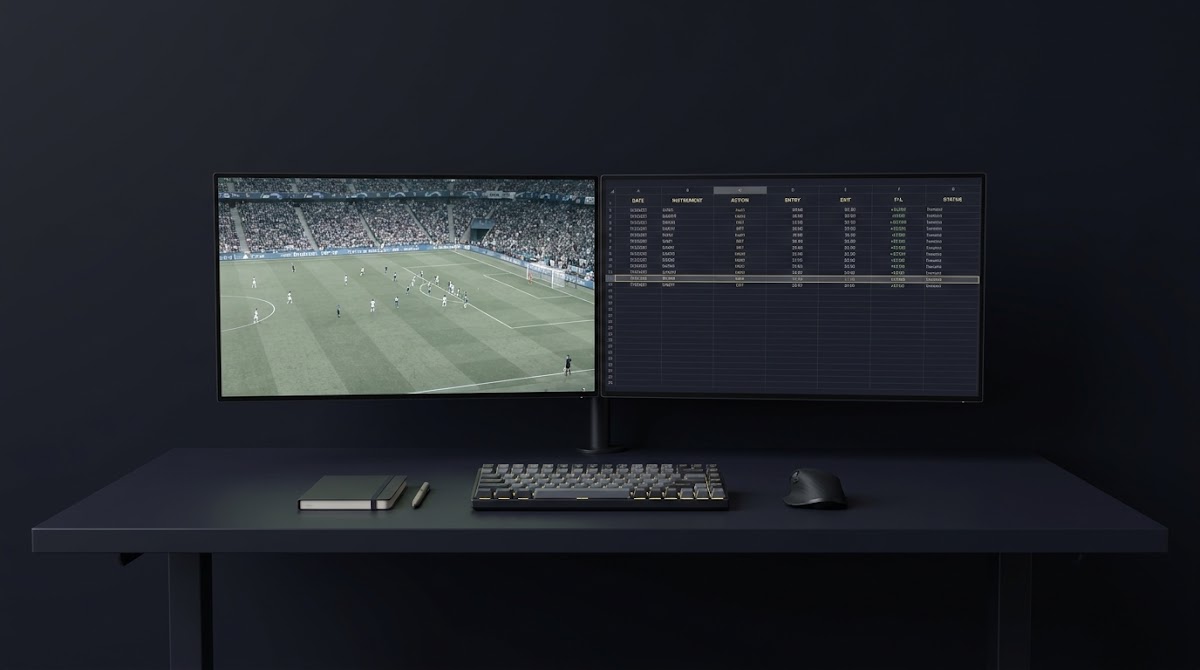
Common Soccer Trading Mistakes: definition and context
What we mean by soccer trading vs. casual betting
Soccer trading describes structured, repeatable decisions made to capture small pricing edges across pre‑match and in‑play markets, often using position size, entry criteria and exit rules rather than single outcome bets. This approach differs from casual betting in that trading treats every selection as a discrete market decision with a pre‑committed plan, stake rule and exit condition.
In describing Common Soccer Trading Mistakes we focus on process errors traders make when they skip planning, ignore liquidity, escalate stakes after losses, or fail to keep disciplined records. Those errors are the ordinary causes of avoidable drawdowns and inconsistent results.
Soccer has been repeatedly highlighted in integrity reporting as a category with persistent suspicious alerts, especially in lower profile competitions where market signals can be anomalous; traders should therefore treat market choice and timing as primary risk controls IBIA Q2 2026 Integrity Report.

Why soccer is a special integrity and volatility case
Football competitions generate more integrity alerts than many other sports, so retail traders who step into obscure markets face a higher chance of encountering irregular pricing or limited matched volume.
In practical terms this means that what looks like an exploitable move may be a distorted signal caused by low liquidity or manipulation rather than a genuine edge.

Why soccer markets are high risk for traders
Integrity alerts and what they mean for market selection
Reports from global integrity monitors show football remains a leading source of suspicious market activity, and that prominence should make traders more conservative when selecting which matches and markets to trade Sportradar Betting Corruption and Match‑Fixing Report 2024. For broader context see the Sportradar integrity overview Sportradar integrity services.
Practical consequence: prioritise markets with broad bookmaker coverage, transparent liquidity and established price history rather than chasing isolated or newly listed micro‑markets.
Liquidity, micro‑markets and information asymmetry
Low liquidity increases execution risk through slippage and sudden price gaps, and micro‑markets such as next‑goal or minute‑specific props often have thin matched volume that amplifies both volatility and the chance of anomalous moves.
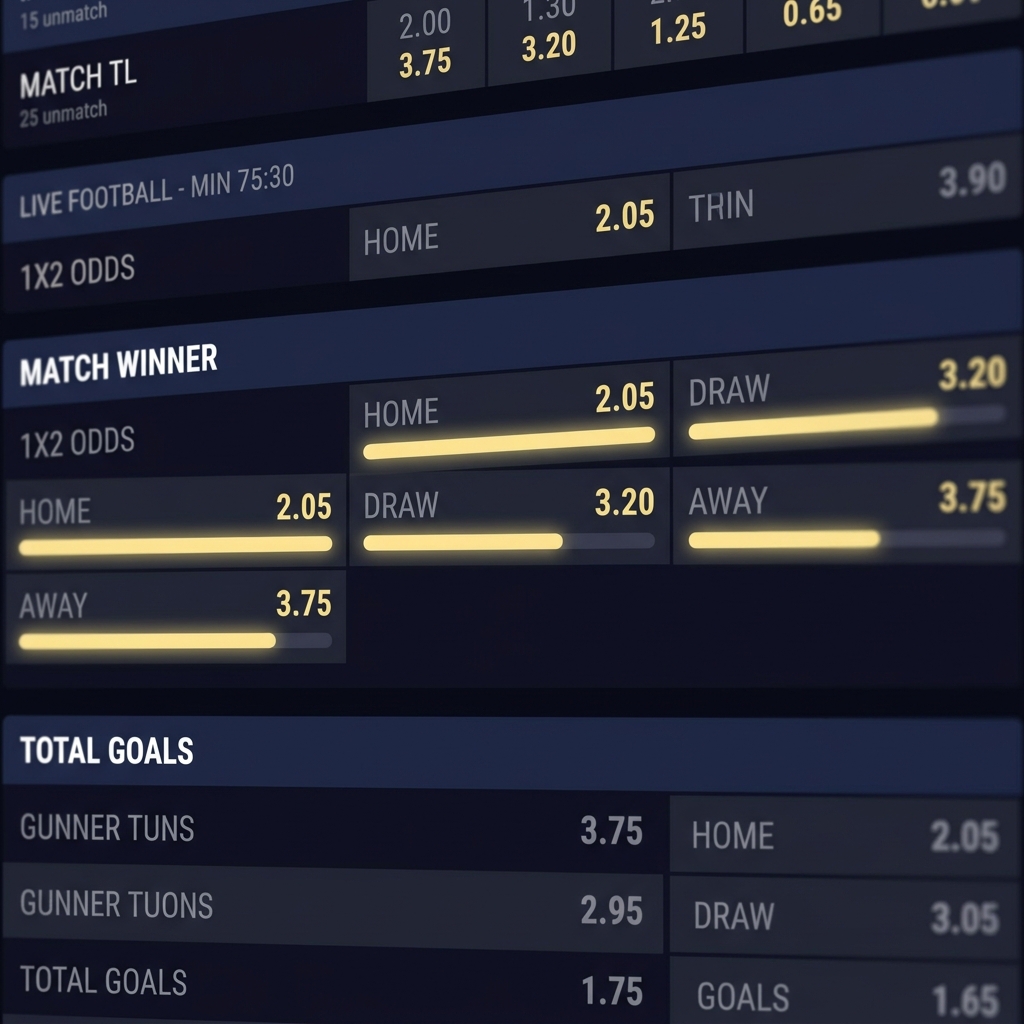
Checklist to spot risky markets before you enter: confirm matched volume, check multiple price feeds, avoid markets with few matched bets, and prefer leagues with consistent coverage.
Checklist to spot risky markets before you enter: confirm matched volume, check multiple price feeds, avoid markets with few matched bets, and prefer leagues with consistent coverage.
How in‑play environments amplify common mistakes
Decision speed, cognitive load and impulsivity
Live trading creates many rapid decision points that increase cognitive load and impulsivity; research finds in‑play features raise decision intensity and harm correlates, so traders need structured process controls to avoid reactive choices In‑play sports betting systematic review.
Because in‑play options update quickly, a single emotional reaction can cascade into multiple trades; the most common error is failing to follow pre‑committed entry and exit rules when pressure rises.
Product features that change trader behaviour (cash‑out, micro‑bets)
Platform features like cash‑out and tiny micro‑bets encourage frequent action and can break disciplined staking plans, so treat these features as behavioral levers: decide in advance whether to use them and set clear limits.
Regulatory guidance recommends session controls and reality checks to curb loss‑chasing and session overrun; implementing timed breaks and pre‑set limits helps bring those recommendations into everyday trading practice UK Gambling Commission remote technical standards.
Core framework for safer soccer trading
Plan, Size, Execute, Review
Adopt a four‑step framework for every trading day: Plan entries and exits before the match, Size stakes using fixed rules, Execute with discipline, Review results against plan afterwards. This replaces ad hoc reactions with repeatable actions that reduce error frequency.
Pre‑specifying trade triggers and maximum stop losses reduces emotional decisions and aligns market behaviour with regulatory best practices for session control UK Gambling Commission remote technical standards.
Practice your rules in a structured funded challenge
Adopt the Plan, Size, Execute, Review framework for at least one week and track every decision to see which rules materially reduce impulsive entries.
Simple rule examples: limit trades per match to three, stake no more than 1 to 2 percent of your working bankroll per trade, and set a firm daily drawdown cap beyond which you stop trading for the day.
Pre‑match planning and market selection rules
Markets to prioritise
Prioritise top domestic leagues and international fixtures with deep liquidity and broad bookmaker coverage; these markets are less likely to show abrupt, unexplained shifts than obscure cup ties or low‑profile regional competitions.
Practical pre‑match rules reduce impulsive in‑play exposure: only trade markets that meet your minimum matched volume, have consistent price feeds, and where you can define clear entry triggers in advance.
Quick pre‑match market selection checklist for soccer trades
copy into your trade log
Markets to avoid and why
Avoid markets with sparse matched bets, narrow bookmaker coverage, or rapid unexplained odds swings; these are the markets most frequently associated with integrity alerts and abnormal pricing patterns IBIA Q2 2026 Integrity Report and see also the IBIA Q1 summary IBIA Q1 2026 report.
Example pre‑match rule set: trade only top two tiers in a country, exclude single‑match micro‑markets, and do not enter any in‑play trade in the first five minutes unless you can measure liquidity and price stability.
Bankroll and stake sizing: fixed rules that work
Why fixed staking beats progression models
Fixed staking limits drawdown volatility by capping exposure per trade, whereas progression systems increase stake size after losses and magnify both variance and the risk of ruin; safer‑gambling guidance supports fixed limits and predictable stakes EGBA Sustainability Report 2024.
Simple stake rules that work: use a fixed percent of your working bankroll per trade, set a daily max exposure, and enforce a stop‑loss that pauses activity until a scheduled review.
Designing loss limits and drawdown rules
Choose drawdown triggers that stop activity before losses escalate: an example is a 5 to 10 percent daily drawdown stop or a 20 percent weekly drawdown pause, combined with a mandatory cool‑off and review after a pause is triggered.
Complement personal rules with operator deposit and stake limits for redundancy; active configuration of those tools increases their utility and helps prevent impulsive escalation EGBA Sustainability Report 2024.
Avoiding common behavioural traps: loss‑chasing and overtrading
Recognising loss‑chasing patterns
Loss‑chasing shows up as increasing stake size after a string of losses, or taking trades outside your plan to try to recover losses; this behaviour drives volatility and often compounds drawdowns.
Regulatory recommendations for time‑outs and activity checks are useful here: if you set a mandatory break after a preset loss threshold, you interrupt the cycle that turns a bad session into a catastrophic one UK Gambling Commission remote technical standards.
Most errors are process failures: poor market selection, escalation of stakes after losses, neglecting liquidity, and lack of records; prevent them with pre‑committed rules, fixed staking, platform limits and disciplined reviews.
Session limits and enforced breaks
Practical session rules include a maximum number of trades per hour, a cap on consecutive losing trades before a break is required, and a hard stop when a defined loss limit is reached for the day.
Use these session controls proactively and pair them with an obligation to complete a short session note that records why the last trade was taken and whether it matched the pre‑committed plan.
Managing low‑liquidity and obscure markets safely
Execution risk and slippage
Thin markets magnify execution risk: orders can execute at far worse prices than intended, producing slippage that erodes expected edge and increases losses for otherwise sound trades.
Because integrity monitors flag low‑profile competitions more frequently, treating slippage as an integrity signal helps you avoid trades where execution risk is not commensurate with potential reward Sportradar Betting Corruption and Match‑Fixing Report 2024.
Red flags in market behaviour
Watch for sudden, unsupported odds moves without news, markets that are offered by few venues, or inconsistent prices across exchanges; these are red flags that should trigger a trade abort or a much smaller stake.
Mitigations include setting a minimum matched volume threshold, reducing stake size in marginal markets, and avoiding markets where price feeds appear irregular or temporarily suspended.
Using safer‑gambling tools and platform controls effectively
Which operator tools help traders
Operator tools such as deposit limits, stake caps and time‑outs can serve as redundancy for personal rules, preventing accidental overexposure when discipline falters.
Adoption of these tools has increased across European markets since 2024, but the benefit depends on traders actively configuring and routinely reviewing limits rather than leaving defaults in place EGBA Sustainability Report 2024.
How active configuration improves outcomes
Set conservative default limits and schedule quarterly reviews to adjust them as your strategy evolves. Treat platform limits as a second line of defense, not a substitute for your own staking rules.
Combine deposits limits, session time‑outs and activity reviews so that a breach of any personal rule triggers at least one external control that forces a pause and a review.
Record‑keeping, review cycles and performance measurement
What to log for each trade
Log fields to capture for each trade: date and time, market and match, pre‑committed entry trigger, entry price, exit price, stake, net result, deviation from plan and a one sentence note explaining why the trade differed from plan, if it did.
Recording results versus closing prices helps measure execution quality and whether you are consistently capturing the intended edge.
How to run a weekly review
Run a daily quick check that flags exceptions and a weekly deep review where you compute simple metrics: win rate, average return per trade, average slippage versus closing price, and number of rule breaches. Use that review to adjust entry criteria and stake sizing. See our weekly deep review resources for examples.
Regulatory best practices recommend structured activity reviews to curb session overrun and loss‑chasing, so make the review cadence a fixed part of your routine UK Gambling Commission remote technical standards.
Top 10 Common Soccer Trading Mistakes (compact list)
Immediate avoidable errors
1. Chasing losses: raising stakes to recover a losing run. Mitigation: fixed staking and mandatory breaks; see Bankroll and stake sizing.
2. Overtrading: taking too many small, unplanned trades. Mitigation: cap trades per hour and per match.
3. Trading obscure markets: entering thin micro‑markets with limited liquidity. Mitigation: apply minimum matched volume rules and prefer top leagues IBIA Q2 2026 Integrity Report.
Errors that compound over time
4. Ignoring liquidity: accepting wide spreads that erode expected returns. Mitigation: set a liquidity threshold before entry.
5. Using progression staking: systems that escalate stakes after losses. Mitigation: return to fixed percent staking and a daily drawdown cap EGBA Sustainability Report 2024.
6. Failing to set time‑outs: trading through fatigue or emotional episodes. Mitigation: enforce breaks and use platform time‑outs.
7. Poor record‑keeping: not logging deviations from plan. Mitigation: log pre‑commits and compare to exits in weekly reviews.
8. Misreading late odds moves: treating suspicious swings as value without checking liquidity or news. Mitigation: always verify volume and cross‑feed consistency.
9. Excessive micro‑bets: many tiny bets that increase cognitive load and fees. Mitigation: limit micro‑bets or exclude them from your plan.
10. Not reviewing outcomes: repeating the same mistake without measurement. Mitigation: establish weekly metrics and a review checklist to close the learning loop.
Practical scenarios and annotated examples
Case A: late odds swing in a lower‑tier cup match
Scenario: you spot a sudden swing against the favourite late in a small cup match and consider a quick in‑play position. The red‑flag signs are narrow bookmaker coverage and sparse matched volume, which increase the chance the move is anomalous rather than information driven.
Safer alternative: skip the trade or reduce stake to a pre‑set micro‑stake only if matched volume exceeds your threshold. Log the aborted decision and the reason in your trade log for later review, treating the swing as a signal to avoid that market type in future.
Case B: a losing session and the urge to escalate stakes
Scenario: after three losing trades you feel pressure to recover losses. The common mistake is increasing stakes or abandoning the plan to chase a bigger swing.
Safer sequence: stop trading when your pre‑set session drawdown trigger is hit, take a 24 hour cooling off, and then perform a short review to identify whether the losses came from execution, market selection, or variance. This enforces discipline and preserves bankroll for higher quality edges EGBA Sustainability Report 2024.
Decision checklist: should I enter this soccer trade?
Quick yes/no criteria
Binary checklist: is this market within your approved tier? yes or no. Is liquidity above your minimum? yes or no. Is the stake within the fixed percent rule? yes or no. Is there a pre‑defined entry trigger? yes or no. Have you had a break in the last hour? yes or no.
Record the checklist result in your trade log before placing a trade. If any answer is no, do not enter the trade; use platform limits and time‑outs as a final safety net EGBA Sustainability Report 2024.
Conclusion: how to make fewer mistakes starting today
Three immediate actions to reduce risk
First, set a clear stake rule and a daily drawdown cap you will not breach. Second, enable at least one platform control such as a time‑out or deposit limit and review it weekly. Third, commit to logging every trade and run a weekly review to measure deviation from plan.
Integrity risks in soccer persist, so process controls and conservative market selection matter more than chasing tips; testing your rules in simulated or funded challenges is a calmer way to validate them before scaling Sportradar report.
Simple rule examples: limit trades per match to three, stake no more than 1 to 2 percent of your working bankroll per trade, and set a firm daily drawdown cap beyond which you stop trading for the day.

Start with three actions: set a fixed stake percent, enable a platform time‑out or deposit limit, and log every trade for weekly review.
No, low‑liquidity markets increase slippage and integrity risk; prioritise markets with consistent matched volume and wide coverage.
Perform a daily quick check for rule breaches and a weekly deeper review measuring win rate, average slippage and rule compliance.