
Building a Golf Tournament Research Checklist: overview and quick plan
Start research early and use a focused research checklist to keep decisions clear, assign owners, and document outcomes. This building-a-golf-tournament-research-checklist approach prevents common delays when permits, site plans, and course setup collide with municipal or governing-body requirements.
Scope the checklist to these core areas: course setup, permits and municipal timelines, insurance and risk transfer, ADA accessibility, food and concessions, sponsorships, safety and emergency planning, venue logistics, staffing, scoring integrity, and final wrap-up tasks. Map each area to an owner and a deadline so nothing is left to last-minute assumptions.
Use the USGA committee procedures as the baseline for course setup and local rules; those procedures inform teeing areas, hole locations, and pace-of-play expectations that affect your schedule and venue choices. USGA committee procedures
Permit timelines vary by city, and many municipalities require weeks of lead time for special event approvals. Factor municipal application windows into the top of your project schedule and list required documents such as a site plan and certificate of insurance so each owner can secure them on time. NYC Mayor's Office guidance on street activity permits
How to use this checklist: assign a research lead who coordinates contacts with the course superintendent, the local permit office, the health department, and your insurance broker. Break the work into stages: initial scoping, documentation collection, verification, and pre-event walkthroughs. Keep a shared folder for permits, vendor approvals, and signed sponsor agreements so your pre-event checklist is auditable and portable.
The checklist is research-first, not action-first: confirm what authorities require before you commit to catering packages, sponsor placements, or temporary structures. That reduces rework and helps avoid permit rejections or costly last-minute insurance add-ons.
Start your tournament planning with a research checklist
Download or print a compact checklist template and assign a research lead to each section, starting with permits and course-setup confirmations.
Why a research-first checklist matters
A research-first checklist uncovers municipal requirements, governing-body expectations, and vendor constraints early, which reduces surprises during the permit review and pre-event inspections. Organizers who validate these items in writing avoid schedule clashes and compliance gaps.
How to use this checklist: roles and timing
Assign owners for each section, set target completion dates, and require evidence uploads to a shared folder. Use weekly check-ins until major items like permits and insurance are confirmed, then switch to daily checks in the final two weeks.
Permits and municipal timelines to research early
Common permit types and who issues them
Start by calling your local permit office and asking which special event permits apply to outdoor sporting events. Common permits include street or site-use permits, temporary structure permits, amplified-sound permits if you will run announcements or music, and park-use permits when events occur on municipal property. Municipal guidance may detail application steps and expected timelines. NYC Mayor's Office guidance on street activity permits
Required documents and lead times
Most cities ask for a certificate of insurance, a site plan, and sometimes a traffic or parking plan as part of the application. Prepare these documents early and ensure they match what you submit to vendors and the venue.
Realistic lead times are often measured in weeks rather than days; depending on event size and complexity, submit applications and insurance documentation at least several weeks ahead of the event to avoid expedited fees or denials. If your venue is in a dense urban area, plan for longer review times and community notification steps. NYC Mayor's Office guidance on street activity permits
Action items to tick off: call the permit office, request a checklist of required documents, confirm submission deadlines, and note any public-notice requirements. Assign a single person to track application status and receive municipal communications.
Course setup and on-course rules informed by USGA procedures
Teeing areas, hole locations, and course markings
Use the committee procedures to guide how tees are set, how hole locations rotate, and where temporary course markings should go to ensure fairness and safety. Document each change in writing with date and responsible committee member so that any post-event questions can be resolved with clear records. USGA committee procedures
Record-keeping examples: tee placements, hole location sheet, temporary out-of-bounds markings, gallery ropes, and any reduced fairway widths. Share these documents with the starter, rules committee members, and the course superintendent so everyone enforces the same setup on event day.
Begin with municipal permits and venue requirements, confirm insurance needs, and align course setup with governing-body procedures so early decisions match permit and safety expectations.
Local rules and pace-of-play policies to include
Define and publish local rules before the event. Include how to handle lost balls, provisional balls, relief areas, and any unique local condition. Publish pace-of-play expectations and define when a pairing is out of position, and how starters or marshals will intervene.
Pace-of-play rules influence scheduling and the number of starting intervals you use. Use committee procedures to draft a pace policy that sets expected times per hole or per nine and the consequences for repeated slow play. USGA committee procedures
Insurance and risk transfer: what to verify
Types of coverage you will encounter
Identify required coverages early. Venues and municipalities commonly require general liability insurance and often ask that the event list them as an additional insured. Consider optional event cancellation or postponement coverage if weather or other risks could force a cancellation. Special event insurance guidance
How to read a certificate of insurance
When you receive a certificate of insurance, verify the named insured, policy dates, coverage limits, and any endorsements. Confirm that the policy covers the activities you plan, such as temporary structures or on-course motorized carts if used by staff. If the city or venue requires additional insured language, request that endorsement from the insurer and obtain an updated certificate before permit submission.
Checklist items for insurance: confirm coverage limits meet permit requirements, request additional insured endorsement if needed, verify policy dates include load-in and load-out, and document contact details for the insurance broker. Special event insurance guidance
Accessibility and ADA compliance checklist
Key accessibility items to research and document
Public events must plan for accessible parking, accessible routes between parking and viewing areas, accessible restrooms, and designated viewing spaces that allow companions and mobility devices. Include these elements in your site plan and mark them clearly for vendors and signage placement. ADA National Network toolkit

Communication and accommodations planning
Plan for effective communication accommodations such as accessible signage, staff trained to assist attendees with disabilities, and a means to receive requests for accommodations before the event. Document your accommodation plan and include a contact person in your public materials so attendees know how to request assistance.
Include accessibility checks in your pre-event walkthrough and confirm that temporary ramps, viewing platforms, and restroom signage meet basic usability needs. Keep a record of any accommodations provided and the decisions made so post-event feedback can inform future improvements. ADA National Network toolkit
Food, concessions, and temporary food permits
When a temporary food permit is required
If your golf tournament serves food to the public through vendors or concessions, most local health departments require a temporary food permit and pre-event notification. Confirm application windows and required documentation with the local health authority to avoid last-minute denials. Temporary food service guidance
Vendor requirements and time-temperature controls
Vendors must meet time-temperature controls and sanitation requirements. Ask vendors for proof of training, their food-handling procedures, and their own permits. Document the vendor list, contact information, and planned menu items as part of your permit submission so health officials can review potential risks.
Plan for contingency: have a backup vendor list, assign a point person to monitor food temperatures where practical, and include a communication plan for any food-safety incidents. Collect signed vendor agreements that require adherence to local health rules and provide a copy to city reviewers if requested. Temporary food service guidance
Sponsorship outreach, contracts, and deliverables
Designing tiered sponsorship packages
Use tiered packages to make outreach efficient: define a small set of standard tiers, describe deliverables for each tier, and produce a one-page benefits sheet sponsors can review quickly. Clear tiers help prospective partners compare options and speed decision-making.
Writing binding agreements and reporting expectations
Convert verbal promises into short written agreements that list deliverables, deadlines, signage size and placement, and reporting timelines. Include payment terms and an escalation contact so both sides have clarity on expectations and remedies if elements are missed. Written agreements reduce misunderstandings and support post-event reporting.
Practical sponsorship line items: logo on printed materials for a gold tier, sign placement at a tee box for a silver tier, hospitality passes and social-media mentions for lower tiers. Track commitments in a single spreadsheet and require sponsor signoff on placement and artwork before printing.
Track prospective sponsors and confirm contract deliverables
Update status after each outreach
Best practice is to assign a sponsor liaison who handles approvals, receives artwork, and publishes a short post-event report. That report should confirm deliverables met and include simple metrics so sponsors can evaluate ROI for future seasons. SCORE guide to sponsorships
Safety, emergency plans, and crowd management
Developing an emergency action plan
Create a concise emergency action plan that lists contacts for local EMS, the course superintendent, security, and key volunteers. Include roles for incident command, evacuation, and media handling so responses are coordinated.
On-course medical and incident reporting
Plan for on-site first aid with a clearly marked station and designated responders. Record incidents in a simple log with time, location, description, and actions taken so you can include this information in your post-event safety review.
Train volunteers on reporting chains, radios or phone contacts, and simple crowd-management tasks such as guiding spectators away from play and maintaining clear emergency access routes. Rehearse basic scenarios during a pre-event briefing to ensure roles are known.
Venue logistics: parking, signage, power, and staging
What to include in a site plan
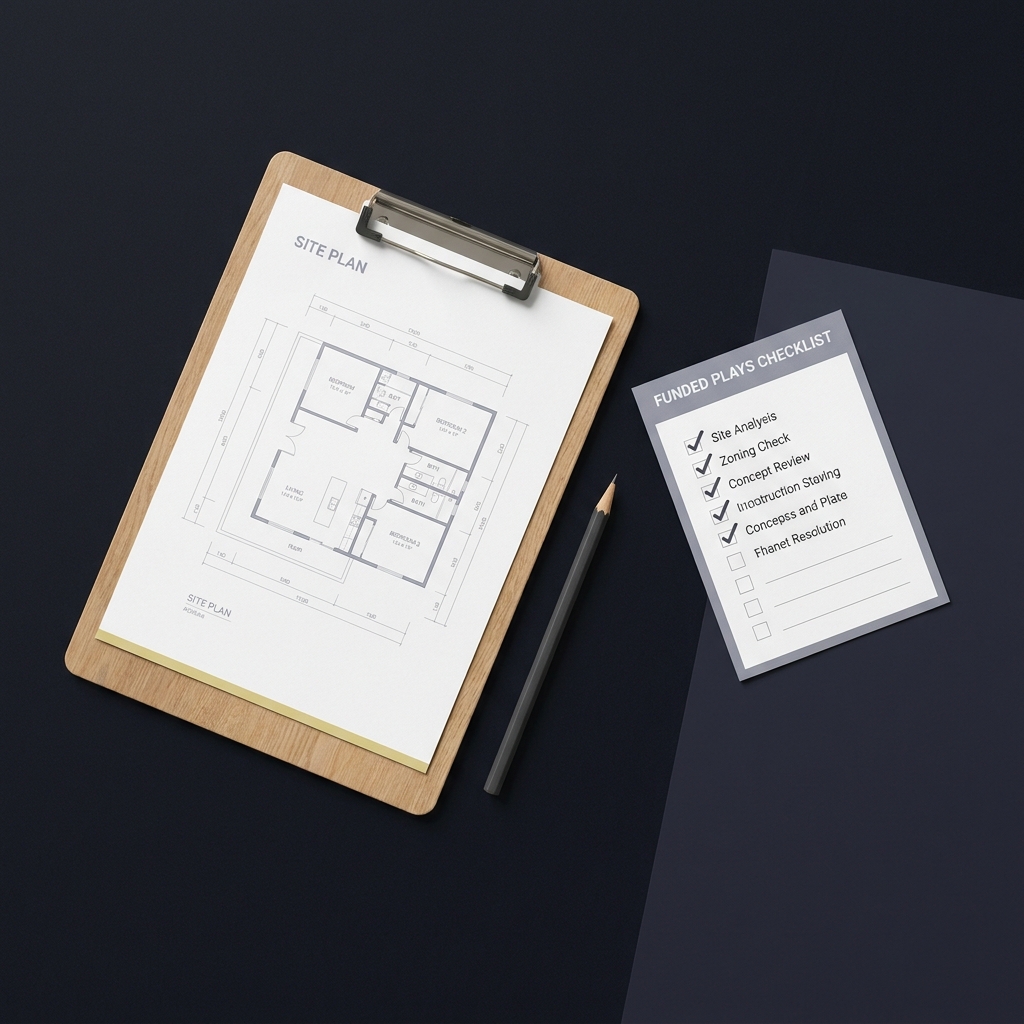
Your site plan must map parking capacities, accessible parking, pedestrian routes, vendor locations, toilets, and any temporary structures. Use simple diagrams and label key load-in routes so drivers and vendors follow the same plan during setup.
Load-in, stage placement, and electrical needs
Document stage footprints, generator locations, and electrical access points. Confirm vendor power needs in writing and provide load-in windows so vehicles do not block emergency routes during critical spend windows.

Staffing, volunteers, and role assignments
Defining roles and shift coverage
List required roles: tournament director, volunteer coordinator, starter, scorer, safety lead, and hospitality manager. Produce shift sheets that include arrival times, responsibilities, radio or phone contact, and an emergency procedure reminder.
Volunteer recruitment and training checkpoints
Recruit early and build a short training packet for volunteers that covers safety basics, spectator flow, basic rules enforcement, and where to direct medical calls. Include sign-in, ID badges, and a simple escalation path for rule disputes or safety issues.
Conduct at least one full walkthrough with volunteers and key staff to assign positions and test communications. Confirm that every shift has a supervisor and that handoffs between shifts include a short written status note.
Monitoring rules, scoring, and integrity controls
Scoring method, reporting, and dispute resolution
Document scoring methods, contact people for score submissions, and the timeline for publishing results. Use the rules committee to define a dispute-resolution path and require written incident reports for any contested rulings. USGA committee procedures
Tools for real-time scoring and oversight
Choose a scoring method and test it before the event. Assign backups for data entry, and publish clear instructions to players on how and where scores are submitted to minimize disputes and confusion.
Typical mistakes and how to avoid them
Common research failures that delay events
Frequent mistakes include late permit applications, mismatched site plans, insufficient insurance limits, overlooked ADA needs, and incomplete food-service approvals. These gaps often cause permit conditions or last-minute changes that increase costs.
Simple safeguards to prevent errors
Protect against common failures by assigning owners, setting internal deadlines that are earlier than municipal ones, and conducting a compliance walkthrough one to two weeks before the event. Confirm vendors and sponsors in writing and collect updated certificates of insurance and signed contracts at least 10 days before the event. NYC Mayor's Office guidance on street activity permits
Putting the checklist together: a practical template and next steps
A compact, printable checklist structure
Assemble a single-page checklist that lists sections, owners, required documents, and deadlines. Make the first column a yes-no verification, the second column an owner, and the third a link to the evidence in your shared folder. That format makes pre-event audits fast and reproducible.
Final pre-event and post-event actions
Pre-event: confirm permits are issued, verify insurance endorsements, complete the site walkthrough with vendors and authorities, confirm volunteer staffing, and publish a short run of show for operations staff. Post-event: collect sponsor feedback, compile incident logs, complete permit closeouts, and archive documentation for the next event.
Next steps for organizers: produce the printable checklist, assign owners for each line item, and set calendar reminders for municipal deadlines. Use the checklist as your single source of truth during load-in and event operations.

Start permit research several weeks to months before the event, depending on jurisdiction; high-density cities often require earlier submission windows.
General liability is commonly required, often with the venue or municipality listed as additional insured; event-cancellation coverage is optional but useful for high-risk weather events.
Document accessible parking, routes, restrooms, and viewing areas in your site plan, train staff on accommodations, and include a contact for access requests.
References
- https://www.usga.org/rules-hub/clarifications-of-the-rules-of-golf.html
- https://www.nyc.gov/site/sapo/apply/apply.page
- https://www.fundedplays.com
- https://www.usga.org/content/usga/home-page/custom-search-pages/rules/2019-golf-rules-and-interpretations/cp-rule-8.html
- https://www.usga.org/rules/rules-and-clarifications.html#committeeprocedures
- https://www.iii.org/article/special-event-insurance
- https://adata.org/guide/accessible-meetings-events
- https://www.fundedplays.com/challenges
- https://www.health.state.mn.us/communities/environment/food/docs/planreview/seevents.pdf
- https://www.score.org/resource/sponsorships-101-guide
- https://www.fundedplays.com/blogs
- https://www.fundedplays.com/blogs/how-fundedplays-evaluations-work