
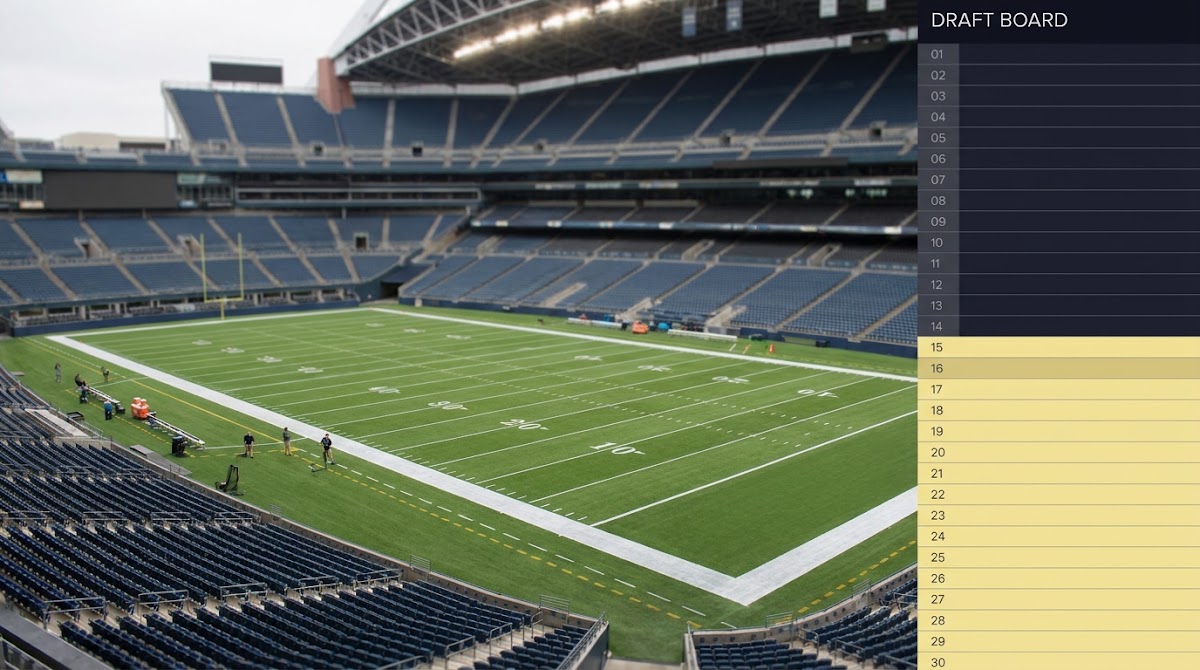
bucks prediction: what the question means and why it matters
Defining the projection question
Asking "what pick are the Bucks projected to get" is, in practice, asking where the Milwaukee pick will sit within the NBA draft order under the league's rules. A useful bucks prediction separates the mechanics that set a team's slot from any judgment about which player the team should draft. Start by confirming pick control, then apply the draft ordering rules, and finally compare model ranges from public dashboards to set expectations.
The first step in any projection is an ownership check and a rules check. The NBA's draft framework explains how picks are assigned, so the projection is about determining a slot, not forecasting a player's future performance NBA.com explainer
quick, three‑input estimate of pick range given odds and record
use as a rough guide
Why the exact slot matters
The practical difference between being inside the lottery or slotted 15 to 30 is substantial for roster planning. Lottery placement creates probabilistic movement and can result in meaningful swings in pick position, while being a playoff team moves a club into a fixed record-based range. A clear bucks prediction tells fans and front offices what set of outcomes will change Milwaukee's options during draft day.
For readers who prefer quick verification, this three-step approach keeps the core checks in the foreground: confirm who owns the pick, apply the NBA lottery and record ordering rules, then consult projection models and dashboards for a probabilistic range. See how evaluations work on our how-fundedplays-evaluations-work page for more on methodology.
How the NBA draft order is determined
Lottery rules for picks 1 to 14
The NBA Draft Lottery determines picks 1 through 14 among teams that did not reach the playoffs, using assigned odds to decide the top positions. Those published odds are the baseline inputs most models use when turning season records into pick probabilities NBA Communications release
Lottery probabilities mean every non-playoff team has a chance at top slots, and models convert those odds into distributions of likely picks. In practice, that generates a range instead of a single predicted slot, so a complete bucks prediction will show a band rather than a single number.
Record-based ordering for picks 15 to 30 and official tiebreakers
Picks 15 to 30 are assigned in reverse order of regular-season record, using the league's official tiebreakers when teams share identical records NBA.com explainer
For teams that make the playoffs, this removes lottery variability. Instead of lottery movement, a playoff club's final position depends on where it finishes in the standings and whether it loses any tiebreakers, which are decided by established league procedures.

Confirming who controls the Bucks' pick for 2026 and why that matters for a bucks prediction
How to check pick ownership in public trackers
Before projecting a slot, confirm whether Milwaukee actually owns the pick. Public draft-asset trackers compile team commitments and protections, and as of mid-2026 those listings show the Bucks control their 2026 first-round selection RealGM draft picks page and the NBA's team profile 2026 Draft Profile.
Ownership changes the projection method. If the pick had been traded away, the projection would need to follow the receiving team's record and any protections instead of Milwaukee's. Always recheck ownership on the team's official pages and major tracker sites before publishing a prediction.
A practical bucks prediction showed Milwaukee in a late first‑round range and the final 2026 order placed their pick in the record‑based 15-30 band, consistent with league rules and public projection consensus.
Quick verification steps: consult the team's official draft page, RealGM, and the league's announcements for any late corrections or trade confirmations.
Common protections, swaps and how they change projections
Pick protections, swaps, and conditional exchanges can replace a simple ownership assumption with a conditional mapping, where a pick may transfer only if it falls inside or outside a specific range. Those clauses change both the subject of any projection and the inputs you must use to model outcomes.
If a swap or protection is present, the projection shifts to the team that would receive the pick under each condition and the odds need to be recalculated from that team's perspective.
Applying the 2026 lottery results and record ordering to Milwaukee
What the Wizards winning the lottery means for the board
The 2026 lottery produced a clear result when the Washington Wizards secured the top pick, which fixed the head of the board and reduced uncertainty among other teams that were not in the top slots NBA.com report
When a single non-playoff team claims a top slot, adjacent lottery movement still matters for other non-playoff clubs, but playoff teams such as Milwaukee no longer face lottery-driven swings and are instead handled by record ordering.
How playoff teams like Milwaukee are slotted once the lottery is set
Because playoff teams are placed by final record in slots 15 to 30, the Wizards' lottery win means Milwaukee's selection must sit somewhere in that band if the Bucks made the postseason. The final slot then depends on Milwaukee's record and any tiebreakers rather than the lottery.
That narrowing of uncertainty is why a bucks prediction after the lottery often collapses from a wide probabilistic band into a narrower record-based range for playoff teams, simplifying the map that analysts use to communicate likely outcomes.
How projection models and dashboards placed the Bucks in 2026
What inputs projections use: odds, records, tiebreakers
Projection tools combine the league's published lottery probabilities with team records and tiebreaker procedures to create a probabilistic pick distribution. Those inputs form the core of most draft projection models and aggregation dashboards NBA Communications release and some public mock draft pages like CBSSports' mock draft CBSSports mock draft.
A well-constructed bucks prediction will show both the chance the team could have moved into a top slot under lottery scenarios and, if appropriate, the narrower record-based range that applies to playoff clubs.
Explore structured sports prediction challenges on the FundedPlays Challenges page
Check the latest public projection dashboards to see how updated records and tiebreaker outcomes change probabilistic ranges; use those live views to update your own estimate before the draft.
Where consensus projections clustered and why
Consensus pages and aggregators, which merge odds and records into single views, generally placed Milwaukee's 2026 selection in a late first-round range before the draft, reflecting the team's competitive record and the absence of a lottery slot. Those public trackers are useful when building a final bucks prediction Tankathon team page and in some cases were echoed by national outlets such as USA Today Milwaukee Bucks mock draft.
Interpreting a projected range rather than a single pick helps set expectations. Models differ because they weight end-of-season scenarios and tiebreakers differently, but when multiple dashboards align around a late first-round band, that consensus is a reasonable starting point.
Tiebreakers, edge cases and trades that could still change a bucks prediction
Official tiebreaker procedures to watch
When teams finish with identical records, the NBA applies official tiebreaker rules to determine order, and those procedures can move a team a slot or two within the 15 to 30 band. Analysts must account for them when converting final standings into a finalized bucks prediction NBA.com explainer
Because tiebreakers are applied after the final regular season games, their outcomes are often among the last items that can change a team's draft slot in the record-based portion of the board.
How late trades or protections can alter control
Late trades, previously undisclosed protections, or conditional swaps can change which team ultimately holds a pick and therefore change where to focus a bucks prediction. Monitor transaction reports and the public trackers that list pick ownership to spot these changes RealGM draft picks page
If a trade is reported close to draft time, wait for official confirmation before finalizing a projection, because ownership drives both the applicable record and the set of lottery odds that matter.
Common mistakes when reading a bucks prediction
Treating probabilities as certainties
A common error is reading a model's probability distribution as a guarantee for a single slot. Lottery probabilities create a spread of likely outcomes, and interpreting the top probability as a certain result misstates the inherent uncertainty NBA Communications release
Another frequent mistake is assuming playoff teams can still move in lottery fashion; that is not how the record-based 15 to 30 ordering works after the lottery is settled NBA.com explainer

Overlooking pick control or late tiebreakers
Ignoring whether a team controls the pick, or overlooking last-minute tiebreaker outcomes, are practical errors that shift an otherwise reasonable bucks prediction into an inaccurate one. Confirm ownership and watch final standings before publishing a firm slot.
Use public trackers and the league's official communications for final verification rather than relying on a single aggregator. You can also visit Funded Plays for additional background on our process.
Practical scenarios: three examples that show how Milwaukee's pick could land
Scenario 1: Bucks miss playoffs and enter the lottery
If Milwaukee had missed the playoffs, the team's slot would have been determined by the lottery probabilities, producing a distribution and an expected range rather than a fixed slot. In that case, analysts would apply the official 2026 odds to simulate possible draft outcomes NBA Communications release
That scenario demonstrates why a bucks prediction in the non-playoff case must show a probabilistic band and indicate the chance of moving into higher lottery positions.
Scenario 2: Bucks make playoffs and finish mid to low 15-30 range
If Milwaukee made the playoffs and finished with a middling record among playoff teams, the pick becomes a record-based slot in the 15 to 30 band. The exact position would hinge on the final standings and any applied tiebreakers NBA.com explainer
This scenario shows how the same team can face qualitatively different projection methods depending on postseason status, and why the playoff threshold is the key binary in any bucks prediction.
Scenario 3: Late trade or pick swap alters assignment
If a late trade or conditional swap transferred the pick, the projection focus moves to the receiving club and the pick's final slot would reflect that team's record or the protection clause terms. Public trackers like RealGM are the place to confirm such a change quickly RealGM draft picks page
When a swap is possible, present the projection as contingent, listing both where the pick would land under each ownership outcome until confirmation arrives.
Bottom line and what to watch next for an updated bucks prediction
Key takeaways
In short, a sensible bucks prediction follows three steps: confirm pick ownership, apply the lottery and record ordering rules, and compare model outputs for a probabilistic range. Public aggregators generally placed Milwaukee in a late first-round band, and the finalized draft results show the pick landed in the record-based 15 to 30 range consistent with league rules Tankathon team page
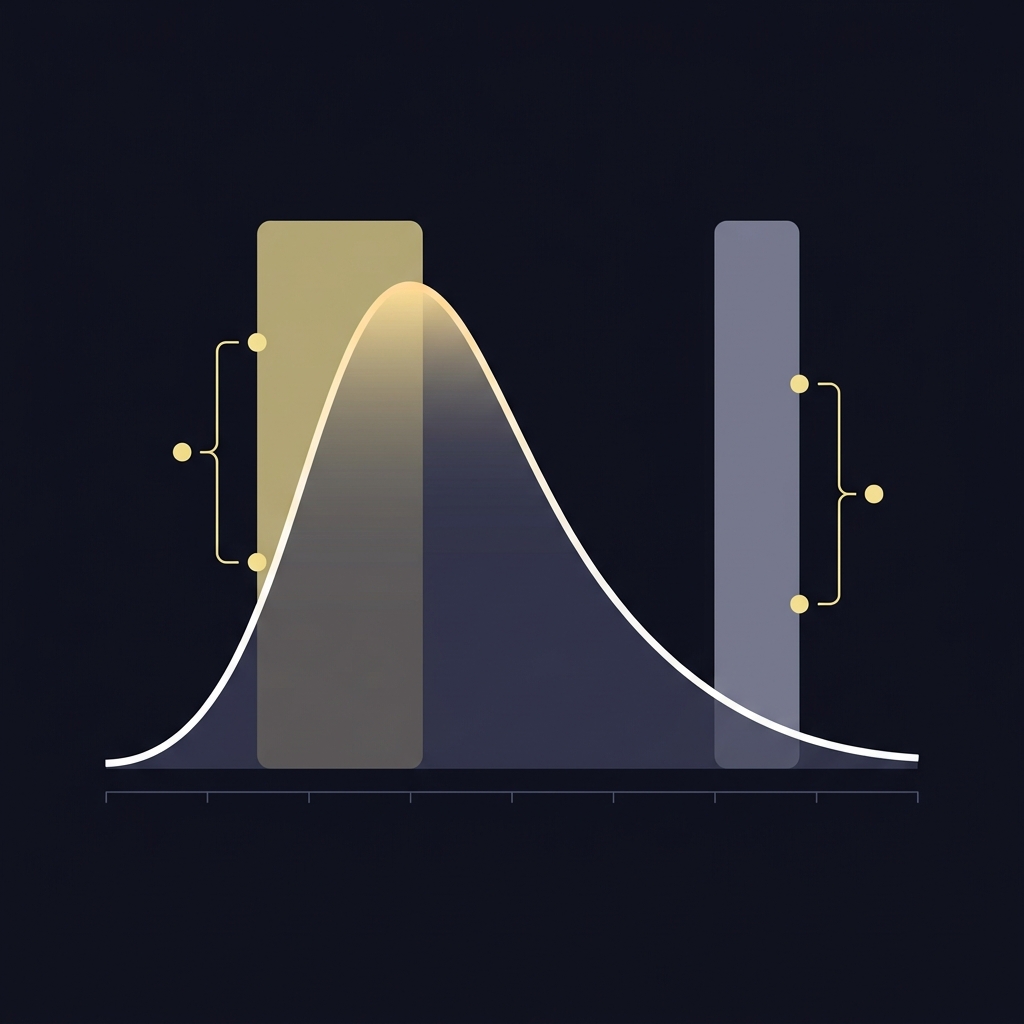
The final 2026 draft order confirms that Milwaukee's slot fell within the record-based portion of the board, which aligns with the structural logic explained above and with the league's published ordering Sporting News draft results
Where to check for updates before the draft
Watch three items for any change: unresolved tiebreakers after the final games, transaction reports that might alter pick ownership, and the league's official draft order page. Those sources will resolve most remaining uncertainty before draft day. For ongoing commentary and post-analysis, see our blog.
Remember that projections are probabilistic. Treat a bucks prediction as a statement of likely ranges and contingent outcomes rather than a promise of a single pick.
Lottery odds shape a probabilistic range only if the team misses the playoffs; if the Bucks make the postseason, their pick is slotted by record and tiebreakers instead.
Yes, public draft asset trackers list Milwaukee as controlling the 2026 first‑round pick with no active outgoing swaps or protections reported as of July 2026.
Update a prediction after the final regular season standings, after tiebreakers are applied, and immediately if any trade reports alter pick ownership.