
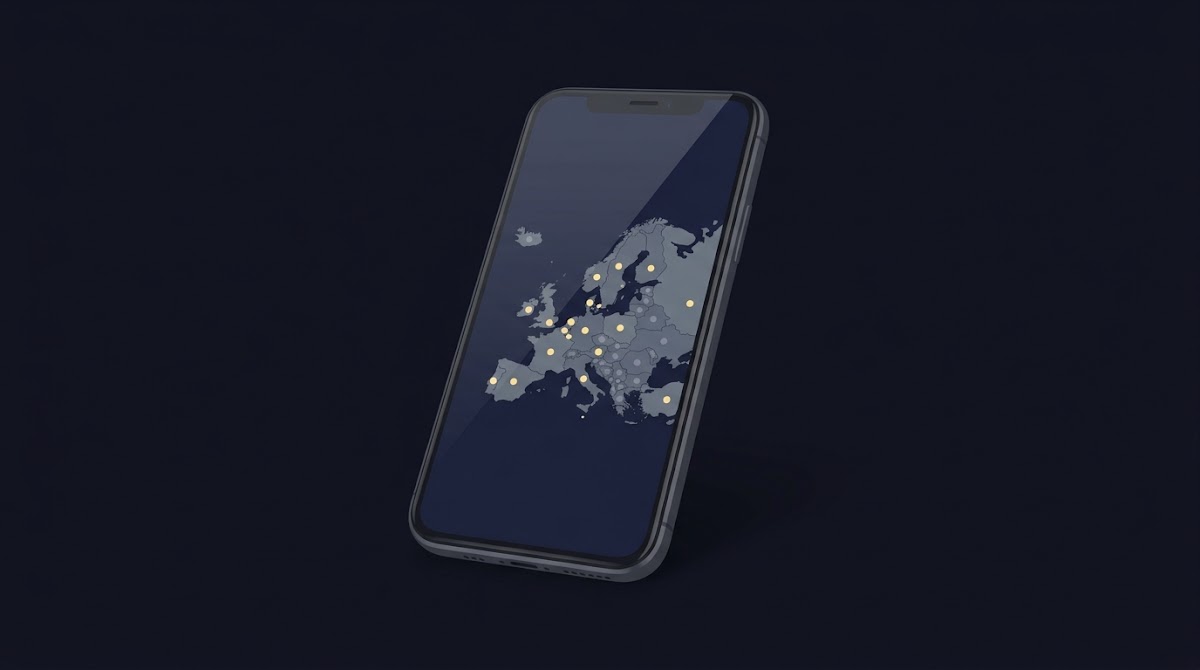
Quick answer: does a bookmaker eu mobile app work internationally?
Short answer: usually not as a single, cross border permission. Whether a bookmaker eu mobile app works where you live depends on the licences the operator holds and the rules each Member State applies to online gambling. National regulators control permissions, and app stores can limit distribution by country, so availability is determined country by country rather than by a single EU authorisation; see national market scans and licence registers for details Kansspelautoriteit market scan.
That means mobile access remains central to how people use betting services in Europe, but you should expect differences in which apps appear in your app store and what onboarding steps are required.
bookmaker eu mobile app
One-line takeaway: check the operator's licence and the app listing in your country before you install or register.
App access is country-specific: check the operator licence, app-store listing and KYC/payment requirements to determine if an app will work where you live.
How national licensing decides whether a bookmaker eu mobile app is legal where you are
Each EU Member State sets its own licensing rules for online gambling and grants permissions that determine whether an operator may offer services to residents. The effect is that an operator can be licensed in one country but not permitted to serve customers in another. National regulator reports and licence registers are the authoritative sources to confirm an operator's status Malta Gaming Authority annual report.
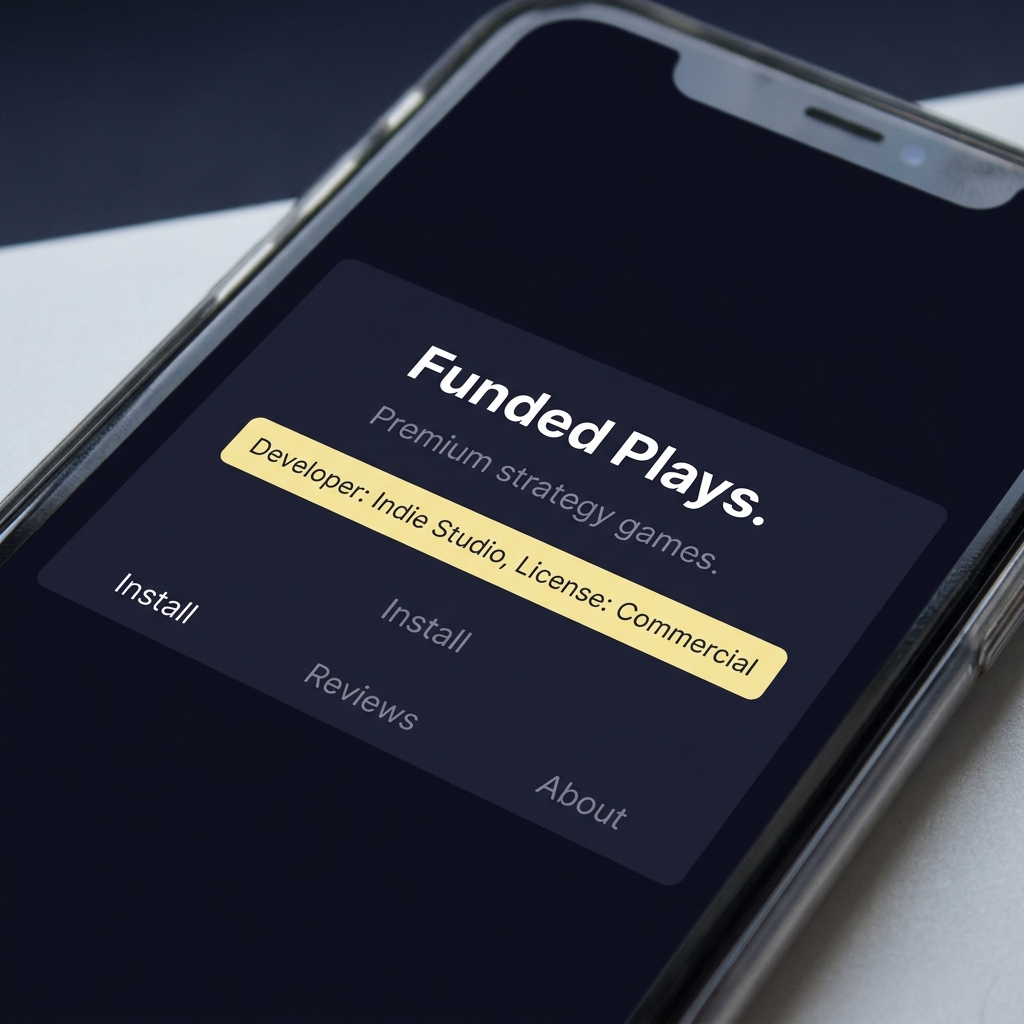
Common licence types include national operator licences that allow full service within the issuing state, and remote or remote-operator approvals for online provision. Where an operator uses a corporate name that differs from the trading name in the app, you should compare the company name, licence number and business address between the app listing and the regulator's register to ensure they match. If you see a mismatch between the developer name in the app store and the licence holder on a regulator page, treat that as a warning sign and check further with the authority.
Practical example: find the operator name in the app listing, open the national licence register and search for the legal entity or licence number. Regulators often publish market scans that summarise which operators were active or investigated in a given year, which helps users interpret whether an app is legitimately authorised in a country.
App-store rules that shape bookmaker eu mobile app distribution
App stores control where real-money gambling apps can be distributed. Google Play requires developers to limit distribution to eligible countries and to show proof of local licences, age verification and jurisdiction eligibility, so an app may not appear in your store if the operator is not licensed or approved for your country Google Play real-money gambling policy. See country/region allowances for gambling apps.
Apple App Store applies similar controls through its regional review and developer agreements, so both main stores can lawfully restrict app visibility and installation by geography. That means even if an operator accepts customers from a country on its website, the native app might be unavailable in the store for that location. See coverage of policy changes here.
Quick installability check for an app listing
Use to verify basic listing matches
Simple checklist for users: look at the developer name and company details on the app page, check the country availability notes on the listing, and confirm the licence holder matches the regulator entry. If you do not find a licence entry or the store listing omits your country, contact the operator for clarification before creating an account.
Why the EU Geo-blocking Regulation does not guarantee cross-border sportsbook access
The EU Geo-blocking Regulation was designed to prevent unjustified discrimination across the internal market, but gambling services are explicitly excluded from its scope. That means operators and app stores may lawfully restrict access or adapt services by customer country without breaching the geo-blocking rules Regulation 2018/302 on geo-blocking.
For users this means you cannot rely on the geo-blocking rules to force cross-border access to a betting app. Operators typically apply their licence footprint and app-store country settings to decide where a native app is offered, and those choices are consistent with the Regulation's exclusion for gambling services.
Step-by-step: how to check if a bookmaker eu mobile app will work for you
Step 1, identify the exact operator name and developer details on the app listing page. Step 2, search your national regulator's licence register for the legal entity or licence number that appears on the app listing. National regulators publish registers and market scans that help confirm whether an operator is authorised in your jurisdiction Kansspelautoriteit market scan.

Step 3, check the app-store country availability notes on the listing and the payment methods the developer supports. If you need clearer confirmation, contact the operator's support and ask them which licence permits your access and which payment rails they accept. Keep copies of correspondence in case you later need to show proof to a regulator.
Warning signs to watch for: the app shows a different company name than the licence register, the app listing omits your country without explanation, or the operator declines to confirm the licence details. If any of these occur, do not deposit funds until you have confirmation from the regulator or the operator.
Payments, KYC and AMLA: factors that block or enable international app access
EU-level anti-money laundering oversight is being strengthened by the 2024 AMLA Regulation, which aims to harmonise AML and CFT supervision across Member States and is expected to affect KYC and payment verification practices for gambling operators from 2026 onward AMLA regulation.
In practice, tighter AML supervision means operators will standardise or tighten identity checks and payment verification, which can make cross-border onboarding harder if a user's documents or payment method do not meet the operator's expected standards. Operators must demonstrate to regulators that they have effective KYC and transaction monitoring, and that often includes verifying the origin of funds for deposits or withdrawals.
To reduce the risk of blocked onboarding, prepare to provide government ID, proof of address and the payment method shown in your app account. Expect variations by operator and by country: some payment rails common in one market may not be available for international customers because of local rules or anti-money laundering controls.
Decision checklist: choosing a bookmaker eu mobile app for international use
Top criteria: confirm the operator is licensed in your country, ensure the app is available in your app store, verify supported payment methods will work for you, and check that customer support operates in your preferred language and can confirm licence details.
Red-line requirements: a visible, valid licence entry for the legal entity; clear app-store availability for your country; and reliable KYC and payment options you can meet. Nice-to-haves include multi-language support, transparent terms on withdrawals, and helpful user guides.
Check licences and app availability first
Use this checklist to verify licence and app availability before you install or deposit, and prioritise compliance over short-term promotions.
How to weight factors: always prioritise regulatory compliance and safety over features or promotions. An app with generous offers is not worth the risk if the operator lacks an appropriate licence for your jurisdiction.
Common mistakes and red flags when installing or using international sportsbook apps
One frequent mistake is trusting app-store ratings or reviews as the primary trust signal. Ratings reflect user experience but not legal permission. Instead, check the developer company name, the licence register and whether payment and withdrawal options are clearly stated on the app listing or operator site Google Play policy. See news coverage here.
Other red flags include vague developer contact details, an absence of licence information, or a mismatch between the licence holder named on the regulator site and the company identified in the app. If you suspect an operator is unlicensed, report the service to your national regulator and avoid depositing funds until the issue is resolved.
Remember that some operators may restrict certain payment rails or block customers from countries where they are not authorised. If withdrawals are frequently delayed or support does not provide licence confirmation, treat that as a serious sign to stop using the service.
Practical scenarios: how access plays out in different EU country types
Liberal, licence-friendly jurisdictions often host many licensed operators and a wide set of payment options. In these markets it is common to find multiple sportsbook apps listed in both main stores and to see fast onboarding for customers whose documents match local expectations. Users in such markets typically install native apps and use local payment rails with little hassle.
Strict or restrictive regimes require operators to obtain a domestic licence before offering services. In those cases the same operator's app may be blocked or not available in the store until the operator secures approval. Users in restrictive markets should expect fewer foreign apps and should rely primarily on locally licensed operators.
Transitional markets that have only recently introduced licensing frameworks often change quickly. Regulators may publish market scans and enforcement updates that show which operators are applying for licences and where enforcement priorities lie, so users should check regulator announcements and app-store notes before committing funds MGA annual report.
Mobile app versus mobile web: pros and cons for international users
Native apps often provide a smoother user experience, faster navigation and push notifications. Where an app is available, it can simplify live-betting and personalised settings. However, app-store distribution controls can mean the app is not offered in every country even if the operator's website is accessible.
Mobile websites are a practical fallback because they are less constrained by app-store country listings. A regulated operator may provide a mobile web interface that can redirect by geography and present the correct local terms without requiring an app install. Still, operators can choose to block access on the website for specific countries if they are not licensed to serve residents there.
When testing access, try the mobile web first if your app store blocks the native app, and check whether the operator requests the same KYC and payment documents online before creating an account.
If an app is unavailable in your country: safe alternatives and next steps
First, contact the operator's support and ask whether a local product exists or whether they plan to apply for a licence in your country. Legitimate operators will explain which licence covers which markets and which payment methods they support for local customers. Keep written confirmation if they provide it.
Second, consider regulated local operators or alternative skill-based platforms if you want comparable experiences without cross-border uncertainties. Skill-based funded-challenge platforms allow users to demonstrate prediction ability with virtual funds and defined evaluation rules; evaluate these platforms by their rules and eligibility before participating.
If you suspect an operator is offering services without the necessary licence, report the provider to your national regulator and avoid depositing funds. Regulators publish complaint processes and market scans that summarise enforcement actions and provide guidance for affected users Kansspelautoriteit market scan.
Staying secure and responsible when using any bookmaker eu mobile app
Protect your account with a strong, unique password and enable two-factor authentication where available. Verify that the app and operator use secure connections and look for clear terms and contact details in the app store and on the operator site.
Practice responsible participation: set deposit and time limits if the app provides them and read the terms on withdrawals carefully. Keep records of payments and communications so you can respond to any KYC or payment queries promptly. These steps reduce the chance that a legitimate withdrawal will be delayed by missing documentation.

Resources and regulator links to check right now
Key sources to bookmark: the EGBA market figures for broad industry trends, the Malta Gaming Authority annual reports and licence register for Malta related operators, the Kansspelautoriteit market scan for Netherlands market developments, Google Play developer policy for app-store rules, the AMLA regulation for EU AML oversight, and the geo-blocking regulation text for scope and exclusions EGBA key figures 2023, and the Funded Plays blog.
Use regulator registers to confirm licence numbers and legal entities, and check app-store listing details for country availability and developer contact information. Revisit these pages periodically because licensing status and store policies can change with new enforcement or regulatory updates.
Summary: what to remember about bookmaker eu mobile app access
Key takeaways: availability is country-specific and hinges on national licences, app-store distribution rules, and AML/KYC procedures. Do not assume an app will work across the EU simply because it is visible in another Member State.
Next steps checklist: find the operator name in the app listing, confirm the legal entity and licence on your national regulator's register, check country availability on the app-store page, and verify payment and KYC requirements before you deposit. Consider regulated local operators or skill-based funded-challenge platforms if the native app is not available in your country.
Find the operator name on the app listing, then search your national regulator's licence register for the legal entity or licence number. If they match, the operator is likely authorised for that jurisdiction.
No. Google Play restricts real-money gambling apps to eligible countries and requires developers to show local licences and jurisdiction eligibility, so availability depends on the store country and the operator's licences.
Contact the operator for clarification, consider local regulated alternatives or skill-based platforms, and report suspected unlicensed operators to your national regulator.
References
- https://kansspelautoriteit.nl/english/news/2024/April/market-scan-online-gambling-2023/
- https://www.mga.org.mt/publication/annual-report-and-audited-financial-statements-2023/
- https://support.google.com/googleplay/android-developer/answer/9876937
- https://eur-lex.europa.eu/eli/reg/2018/302/oj
- https://www.fundedplays.com/challenges
- https://eur-lex.europa.eu/eli/reg/2024/1620/oj
- https://support.google.com/googleplay/android-developer/answer/12256011?hl=en
- https://www.theverge.com/2021/1/28/22254886/google-allowing-gambling-apps-play-store-more-countries-us
- https://www.cnet.com/tech/mobile/google-will-soon-allow-gambling-apps-in-the-us-play-store/
- https://www.fundedplays.com
- https://www.fundedplays.com/blogs
- https://www.fundedplays.com/blogs/how-fundedplays-evaluations-work
- https://www.egba.eu/uploads/2024/06/EGBA-Key-Figures-2023.pdf