
What this article covers and how to use it
Scope and what we do and do not claim
This article explains common ways operators impose account limits and shows how to document and respond to them. It does not assert the specific policy of any single operator without that operator's published terms, and it avoids presenting legal advice as fact.
The focus here is practical: how to spot interface and financial signals, what to record, and how to contact support in a calm, evidence-based way. If you are searching for details about bookmaker eu mobile app behaviour, use the checklist below to gather the facts before you contact any platform.
a compact record template to capture potential limits you observe
keep one line per observation
How to read this guide and follow the steps
Read the sections in order: first get clear on what counts as a limit, then check your account for signs, then follow the response steps if needed. Each section has short actions you can complete in the app or in a notes file.
Keep a simple log when you test things: the date and time, what you tried to do, any messages you received, and screenshots. That record will help if you need to escalate a dispute or to compare behaviour across sessions.

How bookmaker eu mobile app and similar operators typically set player limits
Common types of limits used by mobile sportsbook apps
Mobile operators commonly use a range of controls that limit how much, when, or what a customer can bet. These measures include stake caps on individual markets, market restrictions that close or hide specific events, maximum return limits that prevent outsized payouts, and temporary holds while an account is reviewed. The exact names used for these controls vary between platforms, but the functional effects are similar across many apps.
Stake limits set a maximum amount a customer can place on a single bet or market. Market restrictions can prevent certain bet types from being available to a given account. Max return limits can reduce the effective payable amount even if a wager would otherwise win. Temporary holds may pause betting while identity or activity questions are resolved.
Triggers that commonly lead to account limits
Platforms apply controls for several routine reasons. Typical triggers include identifiable winning patterns, sudden changes in staking behaviour, unusually frequent cashouts or cancellations, or activity that automated systems flag as irregular. Manual reviews by risk teams can also follow from customer reports, suspicious payment patterns, or regulatory checks.
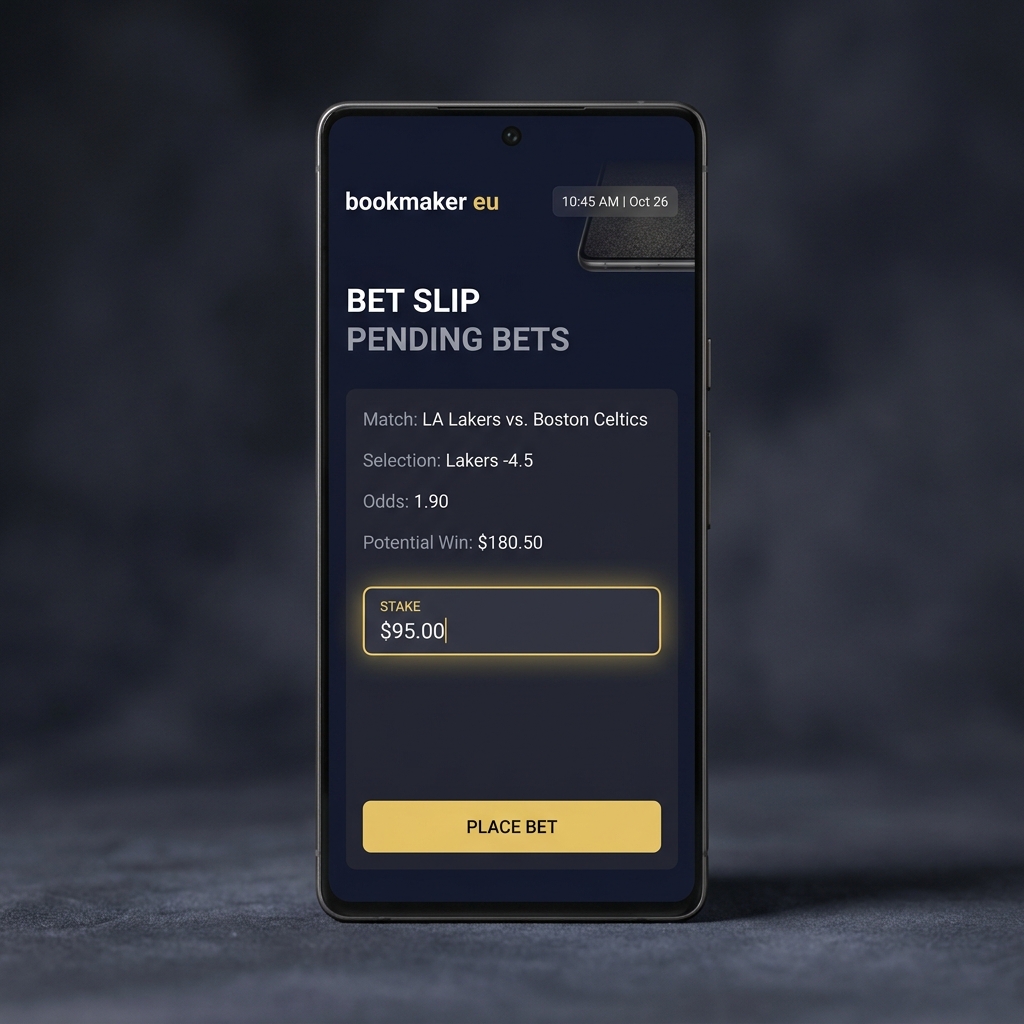
Operators balance business goals and risk controls. On the one hand, they want engaged customers who place bets. On the other, they must protect margin, avoid exploitation of pricing errors, and meet any applicable rules. That balance is why automated systems often act first, and why a manual review can follow for accounts that show persistent unusual patterns.
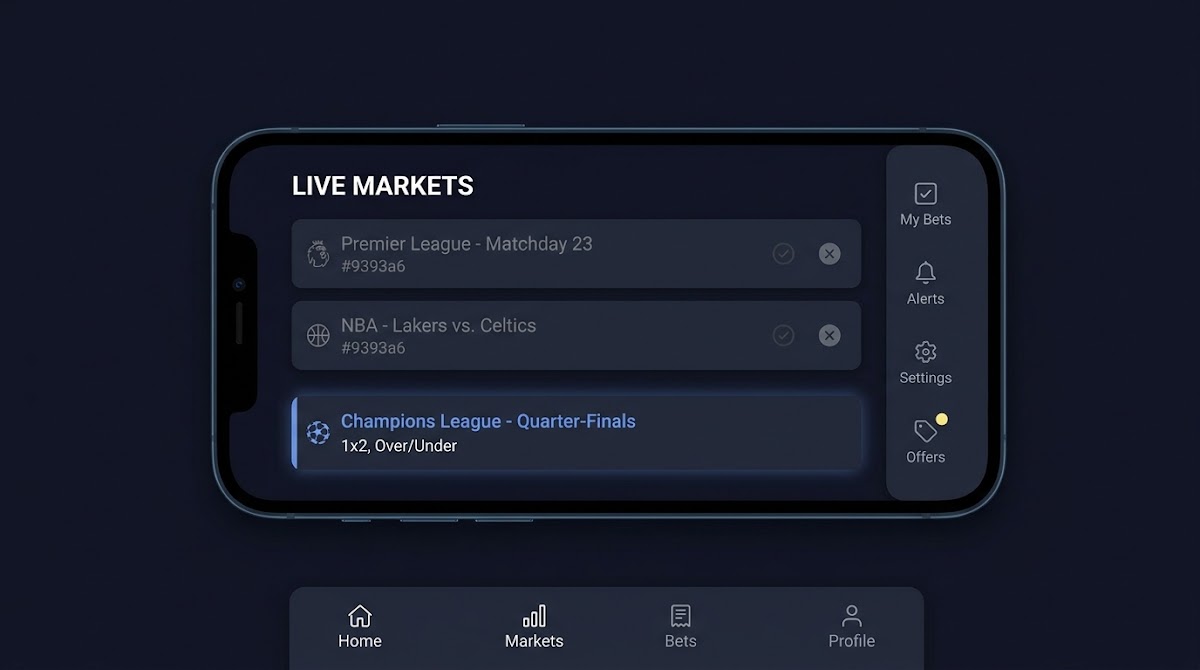
Simple interface cues can indicate you are limited: markets that appear greyed out, lower displayed max stake fields than usual, or explicit error messages when you try to place certain bets. Also look for new prompts when placing a wager, such as requests to confirm stake amounts or notifications that a market is unavailable.
Check account menus and notification areas. Some apps show a short message about 'controls' or 'limits' in the account or transaction pages. If you see any language that implies restrictions, take a screenshot and note the exact wording and time. That information is useful if you contact support.
The bookmaker eu mobile app can be referenced when you search for platform-specific help, but start locally: examine your bet-slip and the market pages before assuming a broad policy change.
Explore structured challenge options on the FundedPlays Challenges page for a transparent evaluation model
Try the quick self-check in the steps below and record what you find before contacting support. A short log makes follow-up clearer and faster.
How transaction and bet histories can reveal restrictions
Financial signs of limits include repeated declined bets, sudden reductions in accepted stake sizes, or an available bankroll that differs between markets. Compare recent accepted stakes and declined attempts to identify any change in accepted stake thresholds. Also note if winnings are paid differently or if settlement messages change unexpectedly.
Bet history can also reveal patterns that led to action. For example, a streak of large, rapid wins or a cluster of bets on niche markets may correlate with subsequent controls. Keep records of timestamps and outcomes so you can present a clear chronology to support teams if needed.
Why operators apply limits and what it means for you
Business and risk reasons behind limits
Operators apply limits for predictable business reasons: to manage liability, protect margins, and prevent exploitation arising from pricing errors or coordinated betting. Limits also help platforms meet internal risk thresholds and comply with any relevant rules or oversight obligations.
Automated risk engines typically screen incoming orders against thresholds and behavioural models. If a pattern triggers those systems, the account may be placed under temporary control while a human review checks the circumstances. That sequence explains why some limits appear abruptly and why short-term pauses sometimes resolve without further action.
How limits affect different types of users
Limits impact recreational players differently than professional sharps or syndicates. Casual users may see only occasional stake limits that have little effect on their routine play. By contrast, professional bettors who use systematic staking or exploit small edges may encounter stricter caps or market restrictions because their activity changes perceived exposure.
Being limited does not automatically imply wrongdoing. Often, it is a risk control response to patterns the platform flags. The practical effect for an individual user can range from minor inconvenience to significant constraint on the size of bets accepted, so understanding how to respond matters.
If you are limited: practical steps to respond on the bookmaker eu mobile app
Immediate actions to take in-app
First, record exact messages, timestamps, and screenshots of any error or restriction notices. Then review your recent bet history and deposit or withdrawal records to see if any change coincides with the moment restrictions appeared. A clear chronology helps when you contact support.
Second, check your account settings for incomplete identity verification or KYC prompts. Providing requested documents promptly can resolve holds that relate to verification. Keep copies of submitted files and note confirmation messages in case staff ask for proof of submission.

How to contact support and what to ask
When contacting support, be factual and concise. Explain the timeline, include your screenshots, and ask whether any explicit account controls are in place and what steps are required to lift them. Ask for an estimated timeframe for review and a reference number for the request if one is available.
Use recorded evidence to support your case rather than conjecture. If a reply references generic 'controls' or 'limits', request clarification on whether there are market-specific restrictions, stake caps, or a broader account-level restriction. That distinction determines next steps.
Medium-term strategies to reduce the chance of further restrictions
To reduce the chance of repeated restrictions, vary stake sizes, avoid repeated identical wagers, and keep a conservative approach when testing markets. Smaller, varied stakes and more diverse market selection tend to look more like casual play than a targeted strategy, which may reduce automatic flags.
Keep a habit of logging activities that you suspect trigger limits. Over time, that record helps you detect which behaviours correlate with restrictions and allows you to adapt without compromising the core of your approach. Remember that no behavioural change guarantees removal of limits; platforms make decisions based on their risk models.
Legal, fair-play and account protection considerations
What to check in terms and conditions and fair-play rules
Always consult the platform's published terms and conditions to understand permitted activity and the stated rights of the operator. Look especially for sections that describe account controls, acceptable conduct, and the operator's dispute resolution or appeals procedures. Those passages set the formal basis for any enquiry you make to support.
Terms often explain how the platform manages suspicious transactions or irregular play and the remedies they reserve. If you rely on a particular clause when contacting support, quote it precisely and attach screenshots of relevant sections if possible.
When to seek formal dispute advice
If a serious financial dispute arises and informal support interactions do not resolve it, consider preserving all evidence and seeking formal advice. A consumer protection agency or legal counsel can explain options depending on the jurisdiction and the size of the dispute. This article does not provide legal advice but suggests gathering clear records before escalating.
Preserve chat transcripts, emails, timestamps, and screenshots. A complete record strengthens any formal complaint and clarifies the factual basis of your case for mediators or advisers.
Alternatives and next steps if you want more flexible limits
How to evaluate other platforms or challenge formats
When comparing platforms, prioritise transparent rules, clear markets, and an accessible complaints process, and consult independent reviews such as the BookMaker.eu review. Look for explicit statements about account controls and for user-facing documentation that explains how limits are applied and how appeals work. A short test with small stakes is a practical way to learn how a platform responds to your typical behaviour.
Platforms can and do apply limits as part of normal risk management. To know if an account has been limited, check interface cues, bet history, and communications from support, and gather clear evidence before you request a review.
Managing expectations: risk, reward, and responsible play
Any move to other platforms or to different formats should be grounded in responsible participation. Consider your risk tolerance and never assume that larger stakes will be accepted or that a new platform will allow unrestricted play. Test behaviour with conservative stakes and track results before scaling up.
Platforms have different models and priorities. If you value a structured challenge model rather than traditional market betting, investigate skill-based challenge formats that define rules and progression clearly and that emphasise discipline over high-risk staking.
Wrap-up: how to stay in control and next actions
Short checklist to finish
Three practical takeaways: recognise clear interface and financial signals that suggest limits, record evidence and timestamps before contacting support, and consider small tests or alternative formats if you need different limit profiles.
Keep a running log, keep verification documents up to date, and approach support with concise, factual requests. Regular documentation and careful testing reduce uncertainty and help you make informed decisions about where to play.
Where to learn more and keep records
Maintain a simple folder with screenshots, transaction logs, and support correspondence. Over time this will become your evidence base if you need to escalate a dispute or compare platform responses. Treat that file as part of your routine account hygiene.
Finally, match your platform choice to your goals: casual enjoyment, disciplined challenge participation, or systematic, high-volume activity. Each has trade-offs in the level of controls you may encounter.
Look for greyed-out markets, lower max stake fields, declined bets, or explicit messages in the app; record screenshots and timestamps for clarity.
Completing requested verification can resolve holds related to KYC, but it does not guarantee removal of all restrictions if risk controls remain active.
If support cannot resolve a significant financial dispute after you supply clear evidence, consider formal consumer advice or legal consultation for your jurisdiction.
References
- https://www.fundedplays.com
- https://www.fundedplays.com/blogs
- https://www.fundedplays.com/blogs/how-fundedplays-evaluations-work
- https://www.fundedplays.com/challenges
- https://www.bookmaker.eu/articles/betting/promos/mobile-betting-odds-at-bookmaker-sportsbook-89035
- https://www.bookmaker.eu/
- https://www.bookmakersreview.com/sportsbooks/bookmaker/