
How U.S. banks and card networks classify online gambling transactions
What the UIGEA requires of financial institutions
U.S. banks are required to have policies that identify and block restricted transactions tied to unlawful internet gambling under the federal rule known as the UIGEA, and that regulatory framework still shapes how banks handle gambling-related transfers today, which can affect a betus withdrawal request.
This screening requirement means banks must be able to detect transactions that match certain merchant categories or patterns the rules flag as potentially unlawful internet gambling; for the regulatory text and implementation details see the federal implementing regulation.
31 CFR Part 132 - Prohibition on funding of unlawful Internet gambling
Merchant Category Code 7995 and card network rules
Card networks group merchants by category, and gambling activity is typically routed under merchant category code 7995, which card rules allow issuers to treat specially when deciding whether to accept or block a transaction.
Those network-level classifications do not force a single outcome; instead they give issuing banks the ability to apply controls such as blocking, additional screening, or alternate processing paths for transactions tagged with MCC 7995. For more background on the merchant code, see merchant code MCC 7995 explanation.
Within the network frameworks, individual issuing banks set risk and product policies that determine whether a gambling-tagged charge is allowed, declined, or handled under a special treatment such as a cash-advance category.
Because issuers make these policy choices, the same transaction can be accepted by one bank and declined by another, which is why questions about which banks accept online gambling do not have a single, universal answer. See an overview of MCC 7995 compliance for further context.
Visa Core Rules and product guidance on merchant category codes
Card networks group merchants by category, and gambling activity is typically routed under merchant category code 7995, which card rules allow issuers to treat specially when deciding whether to accept or block a transaction.
Why issuers can block or treat charges differently
Within the network frameworks, individual issuing banks set risk and product policies that determine whether a gambling-tagged charge is allowed, declined, or handled under a special treatment such as a cash-advance category.
Because issuers make these policy choices, the same transaction can be accepted by one bank and declined by another, which is why questions about which banks accept online gambling do not have a single, universal answer.
Mastercard transaction processing and category rules

Why your BetUS withdrawal might be declined
Typical policy reasons on the operator side
BetUS requires identity verification and compliance with any bonus, rollover, or account security rules before releasing payouts; if those checks are incomplete a betus withdrawal can be delayed or declined.
Operator-side reviews also look for unusual account activity, mismatched payout instructions, or unsettled bet or bonus conditions, any of which can trigger additional verification steps before funds move.
BetUS terms and conditions on verification and payouts
Bank or card issuer reasons
Even when the operator has cleared an account, a bank or card issuer can decline a payout because the transaction would be routed under a gambling merchant category or because the issuer treats certain operators differently under its risk rules.
Issuers may also reclassify a transfer related to gambling as a cash advance or restrict it entirely based on internal policy, which can cause declines or unexpected fees on a betus withdrawal.
Visa guidance on issuer controls for gambling transactions
Timing and verification factors
Simple timing issues can cause declines: pending identity checks, mismatched name or account numbers between the BetUS profile and your bank record, or not allowing the processing window the operator recommends before contacting support.
When a payout is time-sensitive, confirm KYC completion and that the payout method name matches your legal name to avoid routine declines tied to verification mismatches.
BetUS terms and conditions on verification and payout timing
Payment methods that tend to work (and why)
Bank wire and why it often succeeds
Bank wire transfers are commonly offered as a payout option and can avoid card-network routing under MCC 7995 because they move funds via bank-to-bank settlement rather than card rails, which often reduces issuer-level blocking.
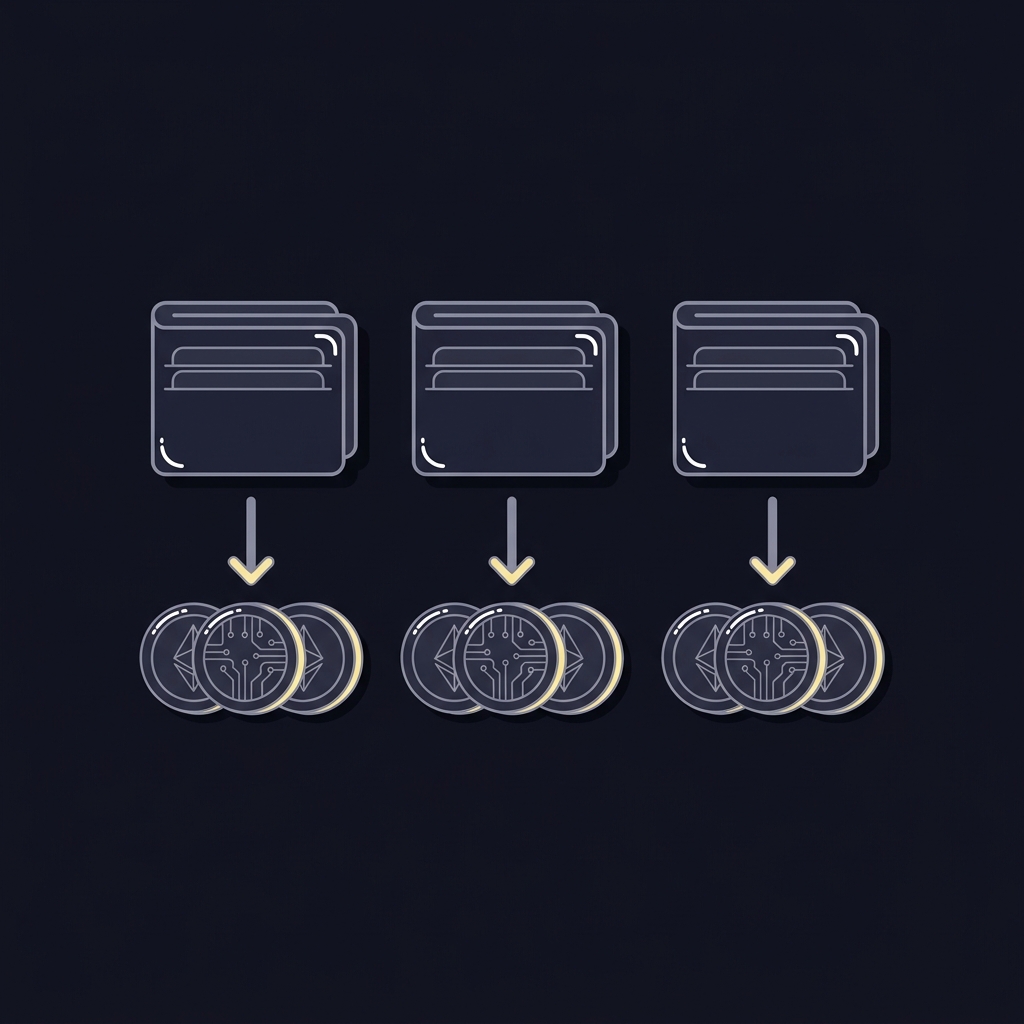
Because bank wires are executed outside card networks, they can be a reliable fallback when credit or debit routes are declined, provided the operator supports wires and you complete the required identity checks.
BetUS payout methods and wire options
Cryptocurrency payouts as an alternative
Cryptocurrency payouts bypass traditional card and ACH systems and are listed as an available method by many operators; using crypto can avoid issuer declines tied to MCC routing though it introduces separate custody and tax considerations.
For users who have completed identity verification and are comfortable with crypto custody, this route can be practical when card or ACH methods are repeatedly blocked.
BetUS support for cryptocurrency payouts
ACH, debit and credit: issuer-dependent success
ACH and card-based payouts can succeed when the issuing bank permits gambling-related transactions, but results vary by issuer and card product; some banks allow such transactions while others block or treat them as cash advances.
If you plan to use ACH or a debit/credit card for payouts, confirm your bank's stance on gambling-related MCCs and prepare alternate methods if the issuer imposes blocks or fees. Industry guidance can be helpful: see a compliance guide for MCC 7995.
Overview of payments modernization and rails used in U.S. gaming
Compare payout methods against your bank policy
Use to record bank responses and preferences
Step-by-step checklist to increase successful BetUS withdrawals
Before you request a withdrawal
Confirm whether your issuing bank or card product blocks or restricts transactions flagged under merchant category code 7995 and ask if they would treat a gambling-related payout as a cash advance, because knowing this in advance avoids surprises during processing.
Complete full KYC on your BetUS account, ensure your legal name and account details match exactly the bank record, and choose a payout method the operator supports and your bank accepts to reduce the chance a betus withdrawal will be declined. For a quick primer, see our blog.
Visa rules on merchant categories and issuer controls
If a withdrawal is declined
If a payout is declined, check BetUS account notifications for the reason first, update any missing documentation, and open a support ticket rather than initiating a chargeback, since operator review processes often resolve verification holds.
Contact your bank with details of the attempted payout, reference the transaction date and amount, and ask whether the decline was due to MCC filtering or cash-advance treatment so you can decide the next steps.
BetUS terms on resolution and support processes
Fallback options to try
If card or ACH routes fail, use an operator-supported bank wire or cryptocurrency payout where available, and allow the operator and bank the recommended processing windows before retrying or switching methods.
Keep records of verification documents, bank responses, and any case numbers from BetUS so you can reference them if you escalate the issue to support or to a bank representative.
BetUS payout options and conditions
How card issuers may treat gambling charges: cash advance, fees, and limits
What a cash advance designation means
Some card issuers classify gambling-related transactions as cash advances, which changes how interest and fees are applied and can make a payout more costly or lead to declines for certain card products.
The Consumer Financial Protection Bureau explains how cash-advance designations typically carry immediate interest and higher fees, and that classification helps explain why some issuers block or differently handle gambling transactions.
CFPB explanation of cash advances and how special categories affect interest and fees
Explore FundedPlays Challenges and platform rules
Check your card terms for cash-advance fees and ask support whether a gambling-related payout would be treated as a cash advance before you request funds.
How fees and interest are applied
When a transaction is treated as a cash advance, interest typically begins accruing immediately and finance charges plus flat or percentage fees may apply, so compare the cost against alternative payout methods.
It is helpful to ask your issuer what exact fees and interest rules would apply to a gambling-related payout to decide whether to proceed with a card route or use an alternative.
CFPB guidance on cash advance costs
Issuer risk controls and daily limits
Issuers also set daily cash or transfer limits and use risk scoring that may reduce approved amounts for gambling-tagged transactions; that can cause partial approvals, declines, or requests for additional verification.
Knowing your card's daily limits and whether the issuer applies special risk controls to MCC 7995 transactions helps you choose a payout method and amount that are more likely to clear.
Mastercard documentation on issuer controls and processing rules
How to check your bank's policy and what to ask customer support
Exact questions to ask your bank
Ask your bank or card issuer directly: do you block transactions with MCC 7995, and would a payout from an online wagering account be treated as a cash advance on my card?
Use short, copyable lines when you call or chat support so you get a clear yes or no and a short explanation you can save for reference.
Visa guidance on how merchant categories are used by issuers
How to verify MCC filtering
Ask whether the issuer can tell you if a specific merchant or transaction was blocked by MCC filtering and whether they can provide a reason code or internal ticket number for the decline.
If you receive different answers, request escalation or a supervisor review and record names, dates, and any ticket numbers so BetUS support can coordinate with the bank if needed.
Mastercard rules on transaction filtering and response codes
What documentation to have ready
When contacting support, have a government ID, recent bank statement, your BetUS account email and username, and the intended payout method details handy so you can resolve identity or account-match questions quickly.
Providing clear documentation up front shortens review times and reduces the chance of repeated declines due to simple mismatches.
BetUS guidance on identity verification and documentation
Common mistakes and troubleshooting when withdrawals fail
Mismatch of names or account details
One of the most frequent causes of a declined payout is a mismatch between the legal name on your bank account and the name on your BetUS profile; correcting this before a withdrawal avoids routine declines.
Double-check the spelling, middle initials, and any special characters so the name exactly matches bank records and the payout method information.
BetUS verification and account name requirements
Incomplete KYC or pending security review
Incomplete identity verification or a security review in progress is a common operator-side reason for a withheld payout; wait for confirmation of KYC completion and check your BetUS account messages for required actions.
Uploading clear scans of requested documents and responding to operator queries helps close reviews faster than repeated payout attempts.
BetUS terms on KYC and security reviews
There is no universal list because banks and card issuers set their own policies; increase success by completing KYC, asking your issuer about MCC 7995 handling, matching account names, and using bank wires or crypto when supported.
Reacting too quickly without following the operator's process
Opening a chargeback or filing a dispute before giving operator support time to resolve a withheld payout can complicate recovery and is generally not recommended unless you have exhausted the operator's resolution channels.
Follow the operator's stated steps first, keep clear records of communications, and escalate to your bank only after operator review timelines have passed and you have documentation.
CFPB explanation of dispute processes and advice on chargebacks
Practical examples and scenarios
Scenario A: Card transaction declined then resolved with bank wire
A user tried a debit card payout that the issuer declined due to MCC filtering; after confirming KYC with BetUS and requesting a bank wire the operator sent the funds by wire and the bank accepted the incoming transfer.
This pattern shows how switching rails and completing operator verification can resolve an otherwise blocked payout.
BetUS payout method instructions
Scenario B: ACH accepted after issuer confirmation
A second user confirmed with their bank that the specific account and ACH product allowed gambling-related transfers; after that confirmation the ACH payout cleared and the funds posted within the expected processing window.
Confirming issuer policy can turn a previously failed ACH attempt into a successful payout without changing providers.
AGA overview of ACH acceptance trends in gaming
Scenario C: Crypto payout used as fallback
A third user repeatedly saw card and ACH declines and ultimately requested a cryptocurrency payout, which completed once BetUS issued the crypto transfer and the user accepted it into their wallet.
Crypto can serve as a practical fallback when traditional rails are blocked, though it requires the user to handle custody and any conversion steps separately.

Bottom line: safest paths and responsible steps
Quick summary
Banks and card issuers set final acceptance rules and the UIGEA requires screening for unlawful internet gambling, so the most reliable approach is to complete KYC, confirm your issuer's policy, and choose a payout rail that your bank accepts.
Preferred practical paths include bank wire or cryptocurrency when available, but none of these are guarantees and outcomes vary by issuer and operator. For related guidance, visit Funded Plays.
Check that your BetUS account KYC is complete, your payout name matches your bank record, and any bonus or rollover conditions are satisfied before contacting support.
Yes, some issuers may treat gambling-related transactions as cash advances, which can cause immediate interest and different fees, so confirm with your card issuer.
Common fallbacks are bank wire and cryptocurrency payouts when supported by the operator, after completing verification steps.