

Why people search for betmania sportsbook and what 'pays real money' actually means
Many people type betmania sportsbook into a search bar when they want a quick answer about whether an app will let them withdraw real funds. In searches like this users often look for payout proof, licensing details, or whether an app is available in their state or country. That intent is practical: they want to know if a balance shown in a screenshot actually converts to cash, and whether the operator will honor withdrawal requests under local rules.
It helps to separate three common categories you will see when apps claim to "pay real money": licensed real-money gambling, skill-based sweepstakes and promotional payouts. Licensed real-money gambling systems operate under local regulators and process deposits and withdrawals as financial transactions. Skill-based sweepstakes or funded-challenge platforms use virtual bankrolls and may provide rewards under a different legal framework. Promotional payouts cover limited offers such as sign-up bonuses, free spins or prize draws that do not always equate to a simple cash withdrawal.
App availability and payout safeguards change by jurisdiction and by store policy, so an app that pays in one state might be unavailable in another or offer restricted features. Apple and Google require jurisdictional compliance and age checks for real-money gambling apps, which affects whether an app can appear on your device and what protections it must provide to users, including geo-restriction and licensing checks. For details on Apple policy see the App Store Review Guidelines App Store Review Guidelines.
Run a quick verifier before you deposit
Before you dive into an app, use a short verifier checklist to screen licensing, withdrawal terms and dispute options so you do not rely on promotional screenshots alone.
When people ask if gambling apps are legit, they often mean one of two things: does the app have a valid license and regulatory oversight, and will it reliably process withdrawals without unreasonable conditions. Recognize that marketing screenshots, influencer videos and unverified testimonials are weak evidence. Instead, look for documented licensing, published withdrawal rules and clear dispute channels as your primary indicators of legitimacy.
How app-store rules and licensing requirements affect payout reliability
App-store policies shape which operators can offer real-money services and how those apps must behave. Apple limits real-money gambling apps to permitted jurisdictions and requires licensing, geo-restriction and age verification as prerequisites for listing, which reduces the number of borderline or offshore apps available through the App Store and provides a baseline of consumer protections App Store Review Guidelines.

Google Play expanded its real-money gaming policies in 2024 to emphasize country-level authorization, licensing and user safeguards including geographic and age checks. That expansion means apps must prove they are allowed to operate in each country where they are offered, or risk removal from the store, which helps users trust that the app they download has undergone policy review Google Play real-money gaming expansion.
Practically, these app-store rules increase payout reliability by requiring operators to meet minimum compliance steps before listing. If an app is not present in your device's official store where such policies apply, treat it with extra caution. Licensing remains the stronger indicator: even a store-listed app that lacks a clear, verifiable license in the jurisdiction where you play presents a materially higher risk.
Checklist: licensing, dispute resolution and payout transparency you must verify
Before you transfer funds, run this quick screening routine: confirm the operator's license and regulator, read published withdrawal rules for caps or wagering conditions, and check whether the operator participates in independent dispute resolution or publishes complaint outcomes. These checks take only a few minutes and can save you time and money if a problem arises.
When you review terms, flag clauses that require extensive wagering before withdrawal, unclear caps, or silence on withdrawal timelines. The UK Gambling Commission explicitly flags withdrawal caps and "must wager before withdrawal" conditions as unfair and encourages licensed operators to process valid withdrawals without unreasonable barriers, so clauses like these are legitimate red flags to note UK Gambling Commission guidance.
Also check for published ADR participation or mediation statements. Independent mediation and documented complaint outcomes are meaningful because they provide a path beyond operator customer service when disputes arise. The eCOGRA ADR report documents how KYC and withdrawal disputes appear repeatedly and explains how mediation can resolve such cases, which is why ADR membership is a strong positive signal eCOGRA ADR Resolution Report.
A core framework to judge any app that claims to pay real money
Use four pillars to assess any app: licensing, transparency, technical controls and recourse. Licensing means a regulator that issues and enforces rules in the jurisdiction where you play. Transparency covers clear withdrawal rules, published fees and timelines. Technical controls include geo-restriction, age verification and secure payment handling. Recourse means access to formal complaint channels or independent ADR.
Score each pillar on a simple 0 to 3 scale where 0 is absent and 3 is strong. A conservative user should weight licensing and recourse highest, while a convenience-seeking user might accept faster speed and lower fees but only with a verifiable license. Absence of any single pillar, especially recourse or licensing, should lower an app's overall score significantly because it increases the chance that you cannot recover funds if disputes arise.
How to verify payout claims and 'payout proof' without getting misled
You will often see screenshots or videos labeled "payout proof". Treat these as weak evidence because images can be edited, fabricated or taken out of context. Stronger proof includes regulator-confirmed audit reports, published mediation outcomes, or transaction-level records that match your own account history and bank statements. When a third party documents mediation results or a regulator records enforcement actions, that is more reliable than marketing material.
Ask for specific transaction evidence if you are dealing directly with support. A credible operator can provide redacted transaction IDs, dates and the payment rail used. For guidance on verifying payment sources and transaction records, see BetMGM's guide to verifying payment sources. If an operator refuses to provide any verifiable transaction record or is vague about withdrawal timing and caps, escalate the concern to the regulator or an ADR body in the operator's stated jurisdiction. The eCOGRA ADR report describes typical mediation evidence and outcomes that help decide whether an operator is responsive to disputes eCOGRA ADR Resolution Report.

Note that app-store compliance and a verifiable regulator registration are stronger indicators of payout reliability than promotional "proof". If you cannot verify the operator's license or find clear dispute channels, do not rely on screenshots or influencer claims as a substitute for legal recourse.
Common red flags: offshore apps and unsupported payout claims
Watch for these warning signs: no verifiable license, pressure to deposit quickly, ambiguous withdrawal terms, repeated domain changes, or apps that repeatedly get removed and reappear in unofficial channels. Offshore operators frequently avoid independent ADR schemes and are not subject to local enforcement, which makes recovery difficult if a dispute occurs.
Industry analyses show that regulated markets have more active integrity monitoring and recourse options than unregulated spaces. For example, recent reporting on regulated-market expansion highlights how consumer protections improve where operators are licensed, and how offshore options typically lack the same oversight and recourse mechanisms AGA State of the States.
Integrity monitoring bodies also report more suspicious patterns in unregulated channels, which correlates with elevated payout risk. If an operator cannot demonstrate a credible regulatory relationship or refuses to participate in recognized dispute processes, treat the app as high risk for payout failures IBIA suspicious betting alerts.
Typical user errors and how to avoid them
Common mistakes include skipping license checks, using shared or anonymous payment methods that complicate disputes, and not preserving transaction records or chat logs with support. These gaps make it harder to prove a legitimate claim when a withdrawal is delayed or refused. Take small, deliberate steps when testing a new app.
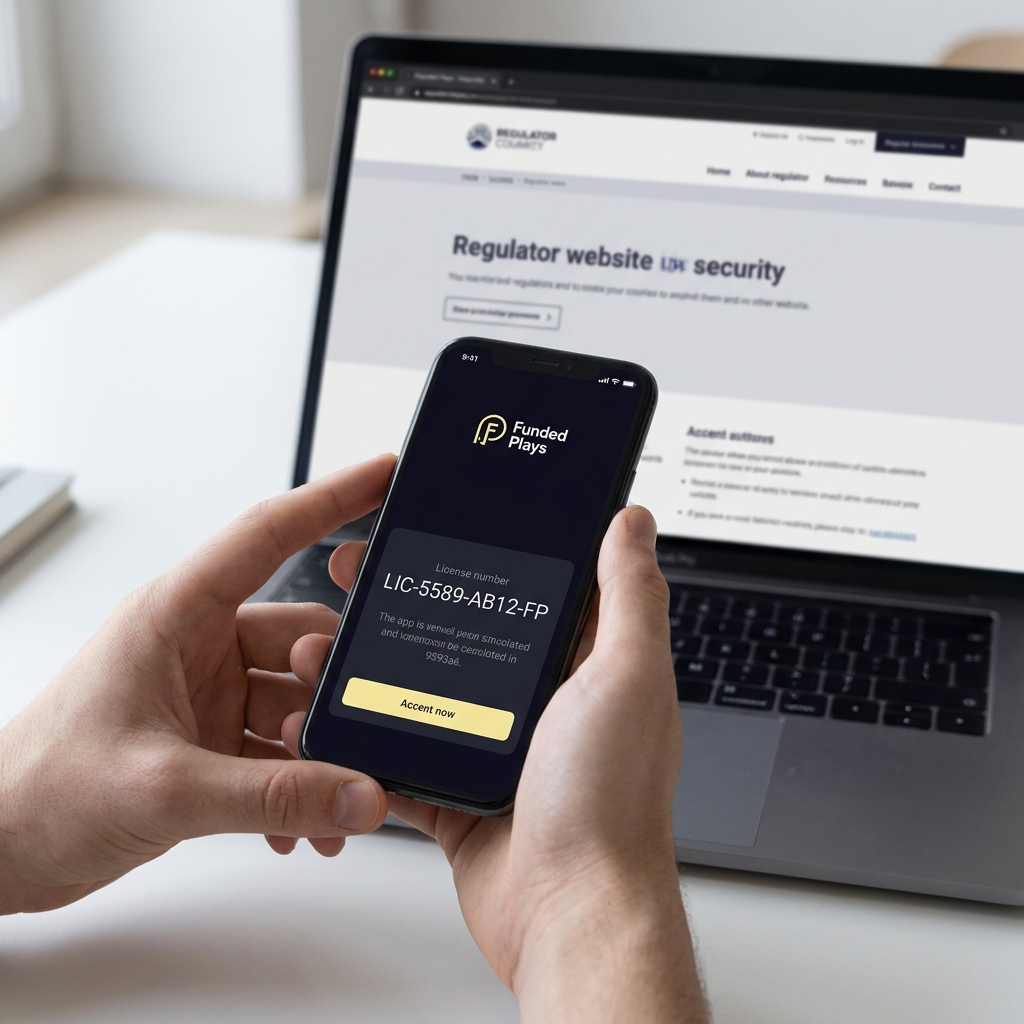
A safe testing routine starts with a minimal deposit you can afford to lose, complete KYC early, and request a small withdrawal as soon as eligible. Keep screenshots of terms at the time you sign up, save email confirmations, and record timestamps for deposits and withdrawal requests. The eCOGRA ADR data shows KYC and withdrawal documentation can materially improve mediation outcomes, so prepare those items ahead of time eCOGRA ADR Resolution Report.
Tool: quick verifier checklist the writer should insert here
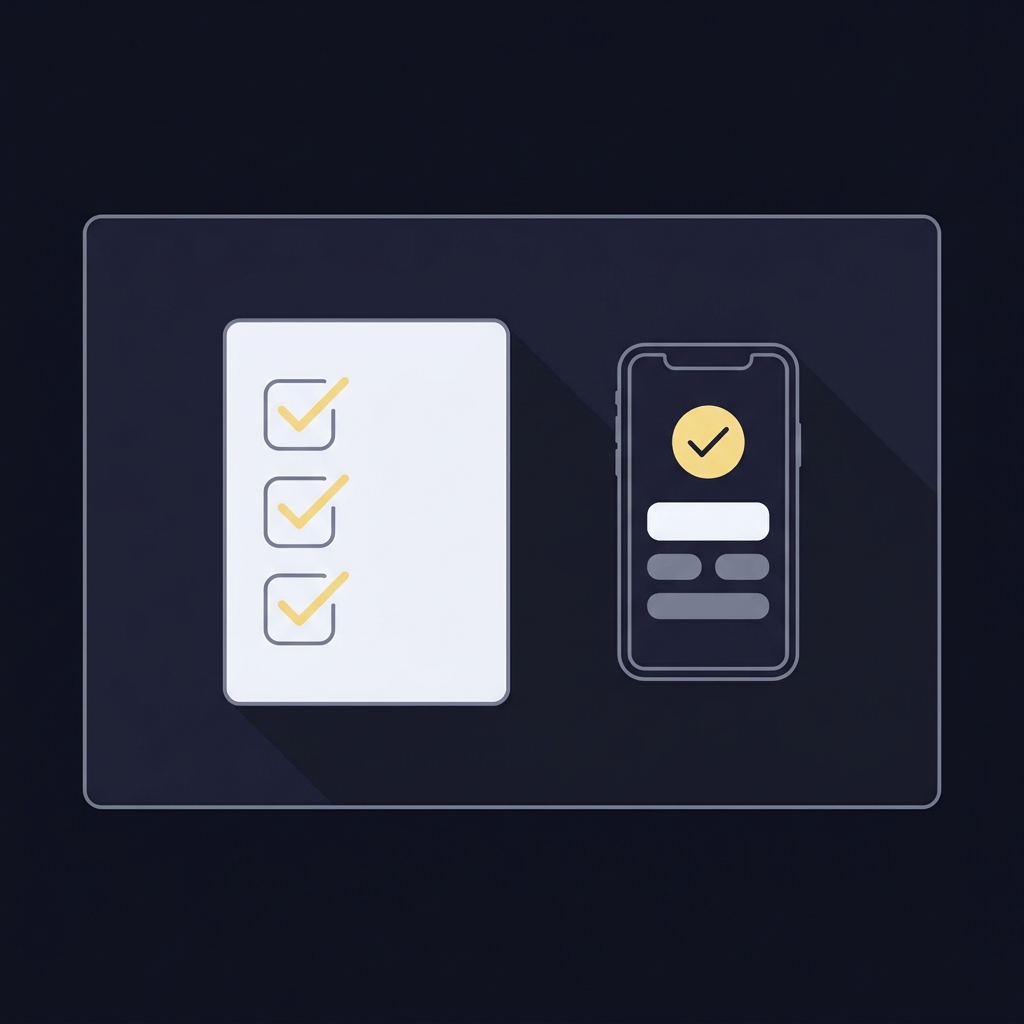
The checklist below is a rapid four-point screen you can run in under five minutes: confirm license, check app-store listing and permissions, read withdrawal rules for caps and wagering conditions, and search for ADR or published mediation statements. Treat a fail on any single point as a reason to pause and investigate further. Also see our blog for related guidance.
Quick verifier for licensing, withdrawal terms and dispute channels
Screening tool not a guarantee
Use the results to decide whether to proceed to a small deposit test. Remember that this checklist is a screening step and not a guarantee of payout, but it will eliminate many high-risk operators quickly.
How geo-restrictions and regional rules limit availability and payout speed
Geo-restrictions and local licensing are the primary reasons an app can pay in one place and be unavailable in another. App-store geo controls and jurisdictional licensing mean operators must apply for permission in each market, and regulators set allowed payment rails and timelines which change withdrawal speed and fees by region App Store Review Guidelines.
Different payment rails, such as bank transfer, e-wallets or card refunds, have different processing times and dispute options. Local rules may restrict certain rails or require additional verification for large withdrawals, so always check region-specific license conditions and allowed payment methods before you deposit, and factor expected processing times into your decision.
Real-world scenarios: KYC delays, withdrawal caps and mediation outcomes
KYC delays and disputed withdrawals are among the most reported consumer problems. Typical scenarios involve extended identity checks after a withdrawal request or confusion about wagering requirements attached to bonuses. ADR and mediation reports often show that well-documented cases with clear timestamps and transaction records have better outcomes when escalated to an independent body eCOGRA ADR Resolution Report.
If you face a KYC delay, respond promptly with the requested documents, and document each support interaction. If a withdrawal is refused without clear justification, ask for the specific clause in the terms that supports the refusal and capture that exchange. When mediation is necessary, provide transaction IDs, timestamps, copies of the terms at signup and your communication history to the ADR or regulator to speed case handling.
Decision matrix: choosing a safe app based on safety, fees, speed and recourse
Compare apps across six factors: licensing, withdrawal transparency, fees, processing speed, dispute access, and app-store compliance. Weight each factor from 1 to 5 based on your priorities. For a conservative user, give licensing and dispute access 40 percent of the total weight; for a convenience user, assign more weight to speed and fees but never drop licensing below a minimum threshold.
Example weighting: conservative user assigns licensing 5, dispute access 5, withdrawal transparency 4, fees 3, speed 3, app-store compliance 2. Add scores and compare across apps to choose the highest-scoring option. If an app lacks ADR or regulator jurisdiction, reduce its score significantly because the absence of recourse is material to payout reliability.
Practical steps: open an account, check license, and perform a safe test withdrawal
Start by finding the operator's licensing statement in the app or website footer and verify the license on the regulator's public register. Use official regulator sites to confirm license status and territorial coverage. Then complete KYC using the documents the operator requests, and save confirmation screenshots at each step so you have a timestamped record. For a U.S. example of how to find internet gaming information, see the New Jersey Attorney General's Internet Gaming Information resource.
Make a modest test deposit that you can afford to lose, place eligible bets or actions to meet basic withdrawal criteria, then request a small withdrawal to the payment method you prefer. Track processing times, retain receipts and note the exact time you initiated the withdrawal. If a delay occurs, escalate with documented evidence and file with ADR or the regulator; for example, Pennsylvania provides patron dispute complaint forms you can use to report and escalate issues file a complaint. If the operator fails to respond appropriately Google Play real-money gaming expansion.
How FundedPlays differs from real-money gambling apps and why that matters
FundedPlays operates as a skill-based sports prediction and sweepstakes platform using virtual funded accounts and structured evaluation challenges rather than a traditional sportsbook. It emphasizes transparency in challenge rules, consistent performance over time and does not function as a sportsbook or financial institution.
This distinction matters because funded-challenge platforms follow different legal and payout frameworks than licensed real-money gambling apps. Compare expectations accordingly: funded challenges focus on performance-based rewards and qualification steps, while licensed gambling apps manage deposits, wagers and regulated withdrawals under consumer-protection rules.
When to avoid apps that claim to 'pay real money': a consumer risk checklist
Walk away if an app lacks a verifiable license, hides withdrawal terms behind dense legalese, enforces unrealistic wagering-before-withdrawal policies, or applies unexplained withdrawal caps. These behaviors increase the chance that you will face friction or denial when you try to withdraw funds.
If you decide to escalate, preserve evidence: save copies of the terms at signup, export transaction histories, and keep chat transcripts with support. Consider freezing linked cards and contacting your payment provider if you suspect fraud. The UK regulator guidance and ADR reports both advise preserving documentation as an essential step when pursuing complaints UK Gambling Commission guidance.
Conclusion: a practical summary for choosing a safe app that genuinely pays
Before you deposit, do three things: verify the operator's license in your jurisdiction, read and save withdrawal terms including any caps or wagering conditions, and confirm the presence of independent dispute resolution or an accessible regulator. These steps materially reduce the risk of unpaid balances and give you avenues for recourse if problems arise eCOGRA ADR Resolution Report. Also review how FundedPlays evaluates challenges in our post on how evaluations work how FundedPlays evaluations work.
Be conservative with new apps. Use a small test deposit, complete a test withdrawal, and keep all records. Licensed, app-store compliant operators with ADR participation provide the strongest protections for users seeking apps that truly pay real money.
Look for the license number on the operator site or app, then confirm it on the regulator's public register for the stated jurisdiction.
Make a small deposit, complete KYC, request a small withdrawal to your chosen payment method, and document the timeline and receipts.
If the operator refuses a valid withdrawal or ignores documented queries after you exhaust support channels, escalate to the regulator or ADR body listed by the operator.
References
- https://developer.apple.com/app-store/review/guidelines/
- https://android-developers.googleblog.com/2024/01/google-play-real-money-gaming-expansion.html
- https://www.gamblingcommission.gov.uk/for-gambling-businesses/consumer-protection/fair-and-transparent-terms-and-practices
- https://ecogra.org/wp-content/uploads/2024/10/eCOGRA-ADR-Resolution-Report-2024.pdf
- https://www.americangaming.org/resources/state-of-the-states/
- https://ibia.bet/2025/02/07/ibia-report-suspicious-betting-alerts-2024/
- https://www.fundedplays.com/challenges
- https://casino.betmgm.com/en/blog/why-online-casinos-ask-for-proof-of-funds-and-alternatives/
- https://www.fundedplays.com
- https://www.fundedplays.com/blogs
- https://www.fundedplays.com/blogs/how-fundedplays-evaluations-work
- https://www.njoag.gov/about/divisions-and-offices/division-of-gaming-enforcement-home/internet-gaming-information/
- https://gamingcontrolboard.pa.gov/gaming/patron-dispute-complaint-forms