
Quick answer: Is betamerica horse racing owned by Churchill Downs?
Short answer, a definitive ownership claim requires confirmation from primary corporate sources, regulator records, or an official press release; do not rely on a single secondary article. This piece does not assert who owns the brand, and instead explains how to verify the claim safely and reproducibly. The phrase betamerica horse racing appears here so you can find this short answer immediately and then follow the verification checklist in the sections below.
When checking ownership you should look for explicit language such as parent, subsidiary, or asset purchase in the source document, and note the document date so you can track changes. Ownership of online platforms can change over time, so any statement about who controls a racing site should be time-stamped and tied to an original source.

How to verify ownership of betamerica horse racing: primary sources to check
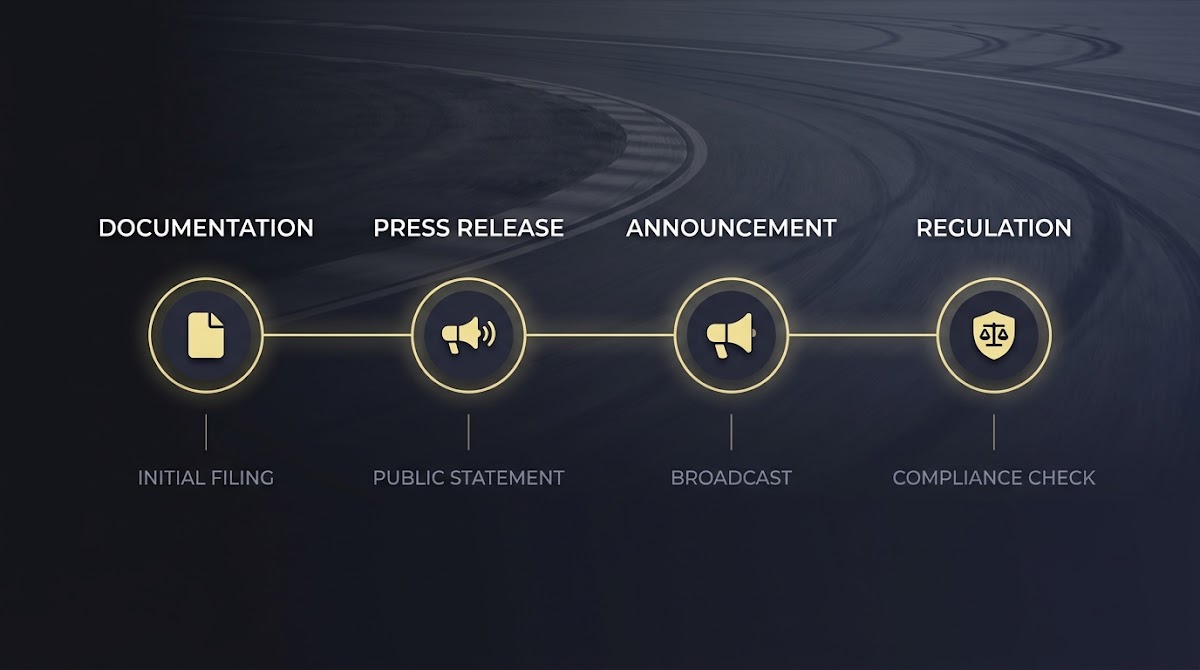
Start with the company that appears in the platform footer or the site terms of service and treat that name as your search seed. Good primary sources include a corporate filing or annual report, a regulator record showing an operating license, and any official press release from the corporate parent. Avoid relying on forums, social posts, or older news items without direct links to primary documents. For example, a company annual report can appear in the SEC filings such as this annual report.
Here is a practical checklist you can follow when verifying BetAmerica ownership. First, pull the corporate name shown on the platform and search corporate registries in the state where the entity is likely incorporated. Second, search the investor relations or press section of the suspected parent company for announcements naming the platform. Third, consult state racing commission or regulator records for licensing entries that list the operator. Fourth, capture screenshots or archive the pages you rely on and note the date and time for each capture.
When reading press releases or investor language, look for clear verbs and nouns that indicate legal control, for example, the use of terms like acquire, purchase agreement, wholly owned subsidiary, or transfer of assets. If the release uses looser language such as partnership, distribution agreement, or marketing affiliation, that does not necessarily indicate ownership. Record the exact phrasing and link it to the source so you can show the claim later if needed. See an example press release in SEC filings here.
Search-term suggestions: use the corporate name plus words like purchase agreement, acquisition, press release, investor relations, and the regulator name. Also include site-specific searches such as site:sec.gov plus the suspected parent name if you expect a material SEC filing. Keep a dated list of the terms you used and the results you found so the process is reproducible for others.

A template timeline: corporate history and acquisition signals to look for
Creating a timeline is a reliable way to convert scattered documents into a coherent ownership narrative. Build entries with three fields: date, document title or source, and quoted language that supports the ownership claim. For each line, include a short note on what the phrasing implies about control, for example whether an announcement points to a full acquisition, a minority investment, a licensing deal, or a rebranding.
Common acquisition language to look for includes acquired, completed acquisition, purchase agreement, closed the transaction, or became a wholly owned subsidiary. If you instead see terms like strategic partnership, distribution agreement, or brand license, treat those as operational ties rather than proof of legal ownership unless the document clarifies otherwise. See an example purchase announcement in SEC filings here.
Below is a simple, fillable timeline template you can copy into a document as you research. For each entry, include a permalink or archived URL and a screenshot. This method ensures that later readers can verify your timeline against the original sources, and it helps prevent the spread of outdated ownership claims.
Timeline template, fillable fields: Date, Source name and URL, Exact quoted phrase indicating control, Document type (press release, filing, regulator record), Short interpretation, Archive screenshot link.
Subscribe for verified updates on platform ownership and regulator records
Check primary corporate filings or regulator records first, and subscribe to trusted press feeds or investor relations pages so you can receive time-stamped announcements as they are published.
How betamerica horse racing platforms typically operate (product and services overview)
Understanding how a horse-racing platform is structured helps you know where ownership information is most likely to appear. Typical public-facing services include odds display, pari-mutuel pools, simulcast streaming, account management, and mobile applications. Legal and corporate disclosures are often placed in the site footer, the terms of service, or an about page, and those are the first places to check for an operating company name or licensing information.
Some platform features signal the nature of the business relationship. For example, a simulcast streaming feed may require a content license or a broadcast agreement, while pari-mutuel pools usually reference a licensed tote operator. These operational contracts do not by themselves prove corporate ownership, but they help you identify which entities to search in filings and regulator records.
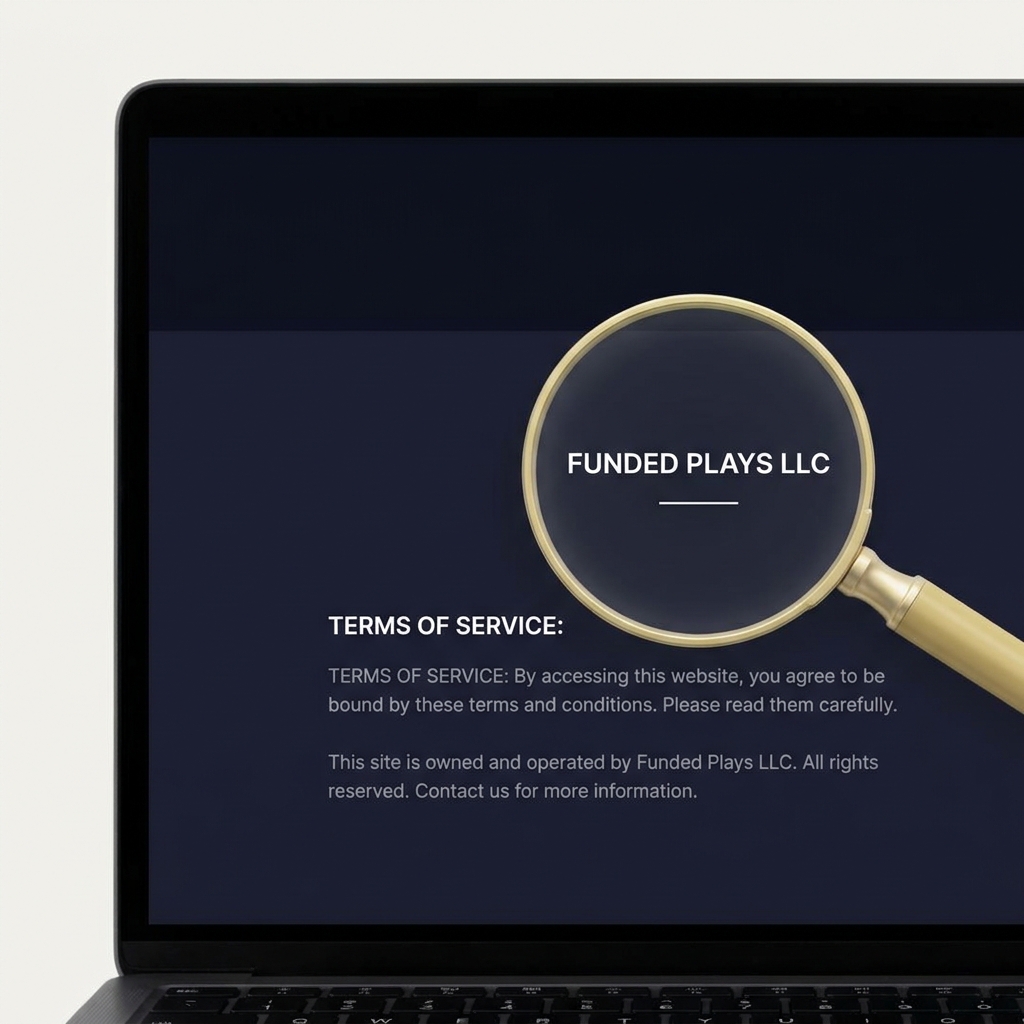
Look for these specific product signals when researching: the corporate entity listed in the terms of service, licensing IDs or regulator contact details in the footer, a business address that can be matched to a corporate registry entry, and the legal name used for billing or customer support. Those disclosures are legally relevant and can be used to seed searches in corporate registries and regulator databases.
What to compare: markets, wagering options and user-facing features
When you compare platforms, focus on features that reveal where the platform sources its legal authority and operational infrastructure. Compare bet types offered, market depth, whether pari-mutuel pools are run in-house or routed to another tote, and whether simulcast streams are licensed directly or provided through partners. These product signals help you judge whether a platform is likely run by a single operator or assembled through multiple commercial relationships.
Checklist of features to compare: types of bets available including exotic bets, live betting options, mobile app availability and store listings, payment methods and processor names in the checkout flow, geolocation or geofencing behavior, and the presence of licensing or regulator identifiers in the interface. Checking these items can show whether the platform operates under its own license or depends on third-party operators.
quick verification of public signals that suggest ownership
Run items in order
Using the checklist above, prioritize items that are easiest to confirm. WHOIS and SSL certificate data can quickly surface a corporate or administrative name, while the terms of service usually contain the full legal entity. App store publisher names may reveal the entity distributing the mobile app but do not always indicate legal control of the platform as a whole.
Also inspect payments and geolocation prompts. Payment processor names and the merchant descriptor on a card statement can point to an operating entity. Geolocation behavior and age verification screens may include regulator references. Together these user-facing signals narrow the list of corporate names to check in registries and regulator databases.
Regulatory records are among the most reliable sources to confirm who operates a betting or racing platform. State racing commissions or gaming regulators typically publish licensee lists, and those records can show the licensed operator, the license type, and sometimes contact or corporate registration details. Finding a match between a platform name and a regulator license entry strengthens an ownership claim when the regulator record lists the same corporate name as a suspected parent.

Contacting a state racing commission can be a straightforward next step if public records are unclear. Regulators can often confirm whether a given entity is licensed to operate pari-mutuel pools or simulcast services in their jurisdiction. When you reach out, cite the exact page or document you used and ask for guidance on whether a license reflects ownership, a vendor relationship, or a separate tote operator involvement.
Responsible-use reminders: always follow local age and identity verification rules, and do not test a platform with large transactions until you have confirmed licensing and the payment processor details. Licensing status affects geographic availability; a platform that is licensed in one state is not automatically licensed elsewhere, so check multiple regulators if you travel or plan to use the service from different locations.
Common misconceptions and mistakes when researching betamerica horse racing
One frequent error is treating a logo, a social media account, or a similarly named domain as proof of ownership. Logos and domains can be licensed, redirected, or managed by marketing partners, and social accounts may be run by affiliates rather than the legal owner. Always trace the claim back to a corporate filing, an official press release, or a regulator record before accepting it as fact.
Another mistake is relying on single-source articles or forum posts that repeat an older statement without confirming whether the ownership has changed. Domain redirects and rebranding can further confuse the record, so be cautious with sources that do not link to primary documents or that fail to show the date of the underlying announcement.
A definitive answer requires a primary source, such as a company filing, official press release, or regulator record; verify using the checklist in this article before accepting any ownership claim.
Red flags to watch for include inconsistent corporate names across platform pages, press mentions without primary-document links, and claims that rely solely on third-party aggregators. When you find a surprising ownership claim, use the timeline template to trace it back to the first primary document and verify its date and legal language before sharing the claim.
Practical next steps: what to do if you want to use BetAmerica or confirm ownership
Ordered verification checklist: 1) record the corporate name visible on the platform, 2) search corporate registries and regulator license lists for that name, 3) check investor relations or press pages for acquisition announcements, 4) archive or screenshot source documents, 5) test the platform with small transactions only after confirming licensing and payment processor identity, and 6) contact the regulator or the corporate investor relations office for clarifications if records remain ambiguous.
If you need an alternative that emphasizes skill-based, challenge-driven participation rather than traditional wagering, consider checking platforms that offer structured prediction challenges. FundedPlays is an example of a funded sports prediction platform that focuses on evaluation challenges and virtual funded accounts rather than conventional sportsbook mechanics. You can read about how evaluations work in their blog post. This mention is factual and not a recommendation or endorsement. For additional resources see the blog index.
Preserve evidence when you investigate: save screenshots with timestamps, capture the URLs and the date accessed, and where possible use web archiving services to create permanent references. That preserved record will be useful if you need to escalate questions to a regulator or to correct a public claim about ownership.
Conclusion: verifying the answer and staying current
Three quick takeaways: verify ownership claims with primary documents, prefer regulator records when available, and always date-stamp any source you cite. Those steps will help you avoid spreading outdated or inaccurate ownership assertions about betamerica horse racing.
Ownership can change, so treat any published claim as provisional until you can link it to a company filing, an official press release, or a regulator record. When you share findings, include the original source and the access date so readers can re-check the claim themselves.
Check the platform footer and terms of service for the legal entity, search corporate registries and regulator license lists for that name, and look for an official press release or filing that uses acquisition or subsidiary language.
State racing commissions and gaming regulators publish licensee lists and sometimes operator details; those records can often confirm which legal entity is authorized to run pari-mutuel pools or simulcast services.
No, a press article alone is not sufficient unless it links to a primary document such as a corporate filing, regulator record, or official press release that explicitly states the ownership change.