
What is a sports prediction site? bet on it wager talk explained
Definition and how it differs from sportsbooks or gambling services
A sports prediction site provides forecasts, picks or structured challenges based on statistical models, human handicapping or a mix of both. Unlike a sportsbook that accepts bets against posted odds, a prediction site usually sells information, runs subscription tip services, or hosts performance-based evaluation challenges where participants use virtual funds to demonstrate skill. In this context the phrase bet on it wager talk is used to describe the conversation around choosing services that claim predictive skill rather than selling direct wagering access, and it is important to note that these services must avoid implying guaranteed profits according to advertising guidance from regulators Advertising Standards Authority guidance
Many prediction platforms operate with standard business models: free daily tips to attract users, paid subscriptions with member dashboards, and newer funded-account challenges that simulate a virtual bankroll and reward consistent performance. The funded-account challenge model sits between tipster subscriptions and fantasy contests by letting participants prove consistent forecasting before qualifying for larger simulated accounts. This structure changes incentives: success is measured by rules and drawdown limits rather than single-event wins, which can help separate skill from luck.
The best sports prediction site is the one that provides independently verifiable long-run records, clear methodology disclosure including odds sources, and transparent terms that let you compute net ROI after fees. Use a structured checklist to compare providers on those priorities rather than relying on short-term performance claims.
Who uses prediction sites and why
Users range from casual fans who want an opinion before placing a wager to analytically minded players who test algorithms or hedge personal portfolios of picks. Experienced handicappers and analytics professionals often use prediction sites as a way to benchmark models, compare signal sources and refine bankroll rules. For some, funded prediction challenges offer a structured environment to measure performance without immediate financial exposure, while tipster subscribers typically seek curated selections and time savings.
How sports prediction sites actually work
Data inputs, models and human picks
Behind most prediction services are one or more signal sources. These can include historical performance databases, model outputs based on statistical or machine learning approaches, expert human handicapping and hybrid systems that blend algorithmic rankings with final human adjustment. A responsible provider will describe whether picks are model-driven, human-generated or combined, and explain the main inputs such as injury reports, weather, market movement and advanced metrics. That transparency helps a buyer understand if the service prioritizes raw predictive accuracy or editorial selection.
Pricing and delivery formats (tips, dashboards, contests)
Delivery formats vary: single-event tips delivered by email or chat, daily bundles, subscription dashboards with archived records and analytics, contest leaderboards and virtual funded challenges. Pricing may be free, one-time, subscription-based or tiered by access level. When comparing formats, consider how performance is recorded and whether the provider stores timestamped records with the odds used for each pick. Records that omit the odds or the timeframe in which a pick was posted make it difficult to reproduce results or verify claims.
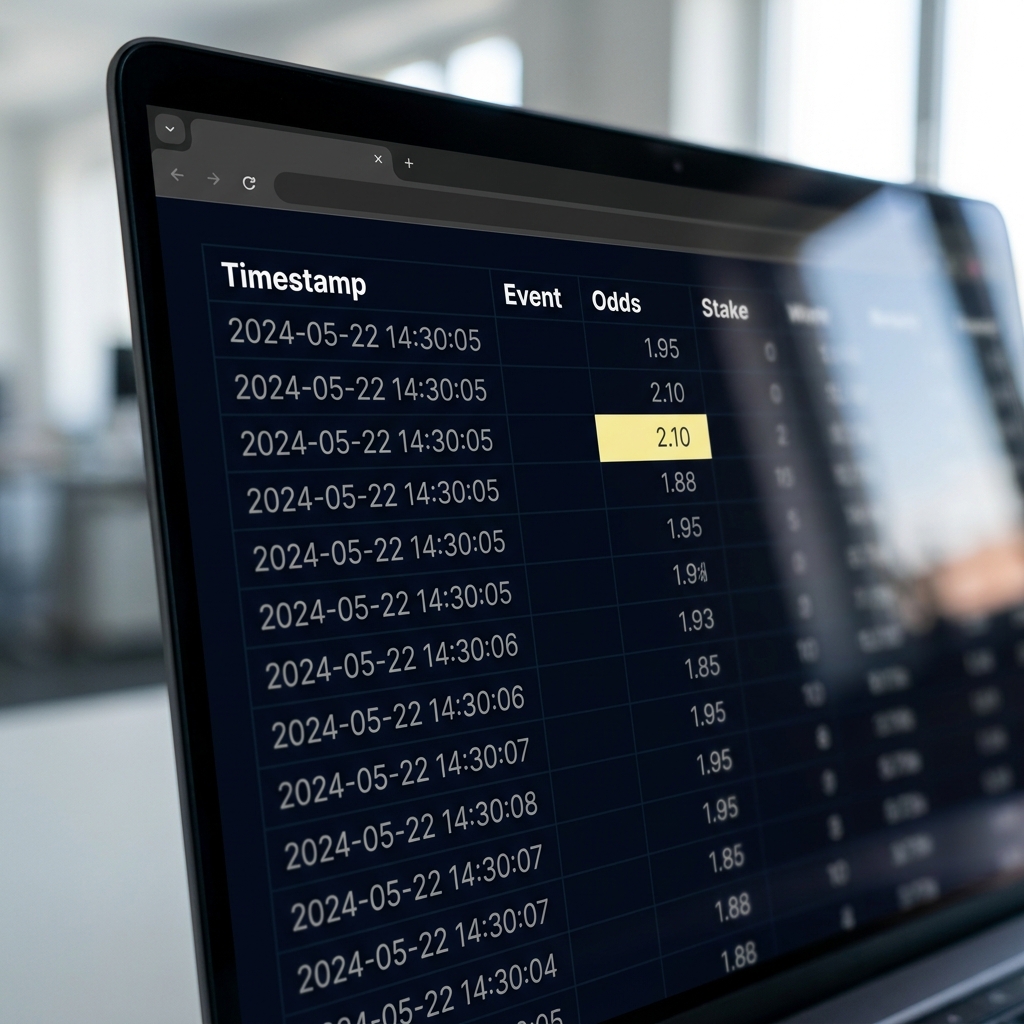
For practical evaluation, ask how results are logged: does the service publish raw bet-level data, or only aggregated win rates? The more granular the exportable record, the easier it is to check sample validity and to compute net return after fees. That distinction matters because win-rate alone without odds distribution tells only part of the story.
A practical evaluation framework for choosing a site
Step 1: Verify long-run performance
Start by seeking independent verification. The most credible services make long-run records available and, ideally, allow third-party attestation or exportable raw samples so you or an auditor can reproduce results. Best practice for 2026 evaluations is to favor services with independently verified records and clear audit trails rather than short-term snapshots of performance Advertising Standards Authority guidance
Step 2: Check methodology transparency and odds sources
Next, check methodology disclosure. A trustworthy provider states whether closing odds, opening odds or a mixture were used, and lists primary signal sources. Knowing which odds were used matters because returns vary with market timing. Ask whether the service publishes how they handle missing data, model revisions and manual overrides. Methodology transparency reduces the risk of cherry-picked samples and lets you assess whether published results align with your real-world options.
Try the evaluation checklist
Download or print this evaluation checklist and use it to run a side-by-side comparison of two services, noting verification, sample size and net ROI after fees.
Step 3: Assess fees, ROI after costs and sample validity
Finally, compute net ROI after fees and transaction costs. A published win-rate can be misleading without the odds distribution and fee context. Request explicit examples showing gross returns, fees or subscription costs deducted, and the resulting net performance. When providers refuse to share sample exports or show only short, non-representative runs, treat the performance claims cautiously and prioritize providers who allow independent review.
Decision criteria: a prioritized checklist to pick the best option
Must-have criteria
When narrowing choices use a ranked checklist. At the top of the list place independent verification, published methodology, explicit sample sizes and clearly stated timeframes, and refund or cancellation terms. A provider that discloses sample-level records and the odds used for each pick gives you the necessary data to compute net ROI and test reproducibility. If a service cannot or will not share this basic information, it should be treated as high risk.
Nice-to-have features and red flags
Nice-to-have items include an interactive dashboard, downloadable raw exports, sample stratification by sport or market and an audit attestation from a reputable third party. Red flags include brief, cherry-picked records, ambiguous fee disclosures, aggressive earnings language and promises that downplay variance. Regulatory guidance cautions against implying guaranteed profits and requires evidence for income claims, so any urgent-sounding earnings claim should trigger a verification request FTC business guidance on earnings claims

Regulatory expectations and transparency rules you should check
Advertising and earnings-claim rules
Regulators in several jurisdictions expect clear, substantiated advertising. In Great Britain the Advertising Standards Authority and Committee of Advertising Practice require that tipsters avoid implying guaranteed profits and must be able to show typical consumer outcomes when suggesting earnings, which affects how services may present historical performance Advertising Standards Authority guidance
What regulators expect for tipsters and paid picks
U.S. regulators do not have a single federal playbook for tipsters, but the Federal Trade Commission has clear guidance on earnings claims that requires demonstrable evidence for income or profit statements. If a provider makes claims about likely earnings, ask for the underlying methodology that produces a typical consumer result and ensure disclosures are present and clear FTC business guidance on earnings claims
Where gambling marketing rules apply, such as the UK Gambling Commission's requirements, providers should present terms and responsible messaging and avoid misleading statements about potential returns UK Gambling Commission guidance

Integrity risks and verification: what independent checks reveal
Integrity monitoring signals and suspicious activity alerts
Integrity monitoring has reported elevated suspicious betting alerts in recent integrity reviews, which underlines why independent verification and transparent record-keeping matter when choosing a prediction provider IBIA integrity report
How to interpret third-party audits and declarations
When a provider publishes an audit, check scope and methodology: who performed the audit, what period it covers and whether raw data was examined. Prefer attestations that include sample-level verification or a third-party export you can inspect. An audit that only summarizes top-line figures without granular exports leaves important questions about sample validity unanswered.
Common mistakes people make when choosing a prediction service
Overvaluing short-term hot streaks
One frequent error is trusting short-term hot streaks. Small samples are dominated by variance, and a sequence of wins over a few weeks does not reliably predict long-term performance. Ask for multi-season samples and check that losing streaks are visible in the historical record, not edited out to make the results look better.
Ignoring fees, sample size and terms
Another mistake is focusing purely on headline win rates while ignoring fees, terms and cancellation policies. Net ROI after fees and transaction costs is the practical metric for many users. Also check refund policies and whether subscriptions renew automatically; unclear terms are a practical and legal red flag.
Use this checklist to request and verify raw sample exports from a provider
Ask for raw CSV or API access
Practical examples and comparison scenarios
How to run a side-by-side comparison using the framework
To compare two services side-by-side, create a table with rows for independent verification, sample size and timeframe, odds sources used, net ROI after fees and refund terms. Populate each cell with evidence the provider supplies. For verification, note whether the provider allows raw export or offers a third-party attestation. For odds source, record whether closing or opening market odds were used.
Sample checklist walkthrough
Example steps: first request a raw sample export covering at least one full season and the odds at bet time; second, compute gross returns and subtract fees to get net ROI; third, check for documentation of model changes or manual overrides in the period; fourth, confirm refund or cancellation terms. Document your calculations so you can compare apples to apples across providers.

In this process pay attention to how net ROI shifts when fees are included. A provider may advertise a high win-rate that looks less attractive once subscription costs and transaction fees are considered. Make a note of unanswered questions to send to the provider before buying a subscription.
Conclusion: making a confident, risk-aware choice
Quick recap checklist
When deciding which service to use prioritize independent verification, transparent methodology disclosure and clear terms including fees and refund policies. These three priorities help separate verifiable skill from short-term luck and align buyer expectations with regulatory guidance about substantiating claims Advertising Standards Authority guidance
Next steps if you want to trial a service
Trial services with small commitments, document your own results and treat early performance as a learning sample rather than proof of skill. Keep records of posted times, odds and outcomes so you can recreate net ROI calculations and compare providers objectively. Remember that integrity reports and regulator guidance emphasize transparency and realistic claims, so favor services that make reproducible records available.
Request raw, timestamped sample exports or an independent attestation, check the odds used for each pick and compute net ROI after fees to reproduce results.
No, funded-account challenges use virtual bankrolls and evaluation rules to measure forecasting skill rather than accepting wagers against posted sportsbook odds.
Watch for short-term cherry-picked records, vague fee disclosures, aggressive earnings language and missing sample-level data.
References
- https://www.asa.org.uk/advice-online/betting-tipsters.html
- https://www.ftc.gov/business-guidance/resources/business-guidance-concerning-earnings-claims
- https://www.gamblingcommission.gov.uk/compliance/marketing-and-advertising
- https://ibia.bet/wp-content/uploads/2026/02/IBIA-Integrity-Report-2025.pdf
- https://www.fundedplays.com/challenges
- https://www.fundedplays.com
- https://www.fundedplays.com/blogs
- https://www.fundedplays.com/blogs/how-fundedplays-evaluations-work
- https://itewb.gov.in/aviator/sports-betting-data-providers-how-to-verify-feed-accuracy-and-completeness/
- https://sdlegislature.gov/Rules/Administrative/20:18:35
- https://www.azauditor.gov/sites/default/files/2025-09/25-106_Report.pdf