

Quick answer: are there alternatives to NHL66?
Yes. If you are searching for a best nhl prediction site or a comparable service, several kinds of alternatives exist for gathering forecasts, competing in skill-based challenges, or subscribing to curated picks. These alternatives differ mainly by how they charge users, how they verify performance, and whether they emphasize short-term tips or longer-term skill development.
At a glance, the main differences you will see between alternatives are pricing model, the relative role of skill versus randomness, transparency of results, and the rules around rewards or withdrawals. Knowing which of those differences matters most to you helps narrow the field quickly.
Yes. There are multiple models such as funded challenge platforms, community aggregators, and subscription services. Each has different trade-offs in transparency, cost, and learning value, so run a short, measured pilot to see which fits your goals.
Below you will find concise explanations of what prediction platforms do, how they typically work, a practical checklist to compare them, common mistakes to avoid, and a pilot plan you can follow to test one without committing a lot of time or money. Read the sections that match your current goal: practice, competition, or building a verifiable track record.
What is a 'prediction site' and how is it different from sportsbooks or fantasy sites?
A Prediction platforms collects user forecasts and often scores them against real outcomes. In many cases the platform organizes challenges, presents leaderboards, and may offer virtual bankrolls or prize structures. The focus is on making and measuring predictions rather than managing betting markets or building fantasy rosters.
Prediction platforms can take several legal and operational forms, and a practical distinction is how they treat skill and reward. Some operate as skill-based challenges where users compete under set rules and virtual funds. Others aggregate picks from communities or experts and present them for review. This differs from sportsbooks, which accept wagers with odds and payouts, and from fantasy sports, which center on assembling rosters and scoring based on player performance.
Typical platform features include public or private leaderboards, challenge rules that set entry requirements and acceptable drawdowns, performance tracking dashboards, and sometimes data exports for independent verification. When evaluating options, treat these features as functional differences that affect how you can test, learn, and demonstrate consistent performance.
How NHL prediction platforms typically work
At operational level, most prediction platforms share common mechanics: users submit picks or forecasts, the platform records outcomes, and scoring rules convert results into rankings or account changes. The scoring may reward accuracy, risk-adjusted returns, or other metrics defined by rules. Leaderboards and badges are common ways to surface top performers and encourage repeat participation.
Product models vary. Free pools let users join without paying but may offer limited verification or prizes. Paid subscriptions give curated picks or analysis for a recurring fee. Funded challenge or simulated account models let users complete evaluation objectives with a virtual bankroll and, if successful, qualify for funded accounts or reward opportunities under clearly stated rules. Each product model encourages different behavior and supports different user goals.
Short checklist for pilot tracking
Use during pilot to keep evaluations objective
Platform rules shape outcomes. Drawdown limits, entry requirements, and how payouts or rewards are triggered affect both strategy and risk management. For example, platforms that use virtual bankrolls and drawdown checks push users toward disciplined sizing. Conversely, systems that emphasize single-pick performance may reward high-variance approaches. Reading the rules carefully before you start is essential.
Decision criteria: how to choose the best NHL prediction site for you
Start with objective checklist items: fee structure, rules transparency, clarity of payout or reward mechanics, availability of demo or trial modes, and access to historical data or exportable performance records. Treat those items as minimums you want to validate before spending time or money.
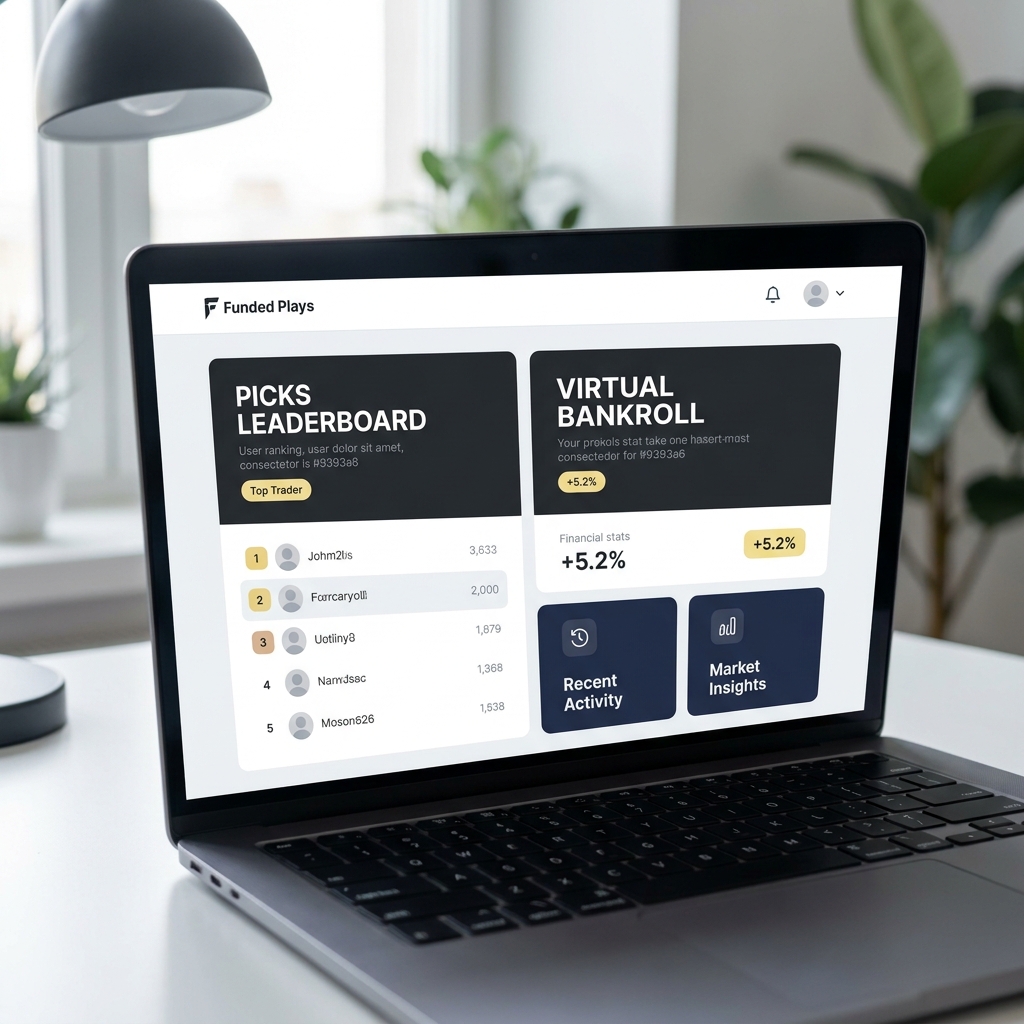
Next add behavioral and trust criteria: does the platform enforce discipline through rules like drawdown limits, is there a clear process for disputes, and does the user dashboard provide the metrics you need to learn? Platforms that emphasize traceable performance and teachable feedback generally serve users who want to develop consistent forecasting over time.
Questions to ask before you sign up include: What do I get for free and what costs extra? Is performance independently verifiable or exportable? Does the platform provide demo accounts or simulated bankrolls to test without real stakes? What are the conditions for rewards or account progression, and how are disputes handled? Answering these allows you to map features to your goals: practice, competition, or potential rewards.
Common types of alternatives to NHL66
Broadly, alternatives fall into a few clear categories. Funded challenge platforms use simulated bankrolls and structured evaluations to let users demonstrate skill under rules that include drawdown limits and progression stages. Community pick sites and tip aggregators collect forecasts from many contributors and surface consensus or top-rated tips. Paid subscription models sell expert selections or analytical services on a recurring basis.
Each category has a recognizably different user experience and set of expectations. Funded challenge platforms focus on measured progression and skill demonstration. Community aggregators emphasize volume, social proof, and the ability to compare many viewpoints quickly. Subscription services prioritize curated picks and commentary, often aimed at users who prefer a hands-off approach to decision-making.

Pros and cons vary. Funded challenges can help you build a verifiable record but often require meeting rules and may charge entry fees. Aggregators give broad perspectives but can lack rigorous verification. Subscriptions offer convenience but depend on the provider s consistency and transparency. Match the category to whether you want practice, public competition, or curated convenience.
Pros and cons: deeper comparison of alternative models
Transparency and verifiability are key differentiators. Some platforms publish full performance histories and allow data export, which helps independent verification and long-term learning. Other models provide limited visibility, which makes assessing true skill harder. When possible, favor platforms with clear, exportable metrics and documented scoring rules.
Cost structures vary: free models reduce barriers to entry but may limit features; subscription services require recurring fees and are best judged by trial periods or clear refund policies; entry-fee challenge models often balance fees against the ability to earn rewards or progress to larger virtual accounts. Consider how the fee model aligns with your goals and how long you are willing to run a trial before judging value.
Trade-offs exist between convenience and skill development. Easy-to-use curated picks may save time but offer fewer opportunities to learn forecasting skills. By contrast, platforms that require you to manage a virtual bankroll or meet drawdown constraints force discipline and can accelerate skill building, at the cost of a steeper learning curve.
How to test an alternative safely: a practical roadmap
Run a short pilot with clear parameters. Define the trial duration, the number of picks you will submit, and the performance metrics you will track. For example, a 30-day trial with 50 independent picks and a pre-defined set of metrics gives you a structured sample that supports objective evaluation.
Start a structured, time-limited pilot where you record each pick, track outcomes, and compare results against the platform s stated metrics. Keep the trial focused on learning, not chasing short-term wins.
Steps to follow in your pilot plan: pick a single platform type to evaluate, use demo or virtual-account options if available, record every decision in a simple spreadsheet, and apply stopping rules that trigger if performance is persistently below your benchmarks. During the trial, track not only winning percentage but also value-based metrics such as average edge, variance, and drawdowns to understand risk-adjusted performance.
Use virtual bankrolls where provided to simulate sizing and drawdown behavior. If the platform lacks demo modes, restrict your early exposure to small stakes or a tightly controlled sample of picks. After the pilot, compare results to your pre-defined stopping rules and decide whether to continue, adjust strategy, or move on.
Typical mistakes and pitfalls to avoid
Behavioral errors are common. Chasing streaks, overfitting to short-term results, and changing strategy after a small sample are frequent mistakes. Treat a short run of outcomes as informative but not definitive; use a structured pilot to reduce emotional reactions and avoid premature conclusions.
Operational pitfalls include not reading the fine print, misunderstanding drawdown rules, and not verifying payout conditions. Platforms sometimes have complex conditions for rewards or account progression; confirm these rules before you commit time or fees. Also check data export options if you plan to audit performance independently.
Another common issue is misinterpreting leaderboards. A high-ranking user on a leaderboard may have benefited from selective sample timing, different stake sizing, or rules you cannot replicate. Focus on measurable metrics you can reproduce rather than raw rankings alone.
Practical scenarios: three example user journeys
Scenario 1, the analyst who wants to test a model: This user seeks to validate a statistical model and needs exportable performance data. They select a platform that provides demo accounts or allows data export, run a 30 to 90 day pilot with a fixed number of independent picks, and track metrics like mean forecast accuracy, variance, and drawdowns. The decision point is whether the model consistently meets pre-set performance thresholds under the platform s rules.
Scenario 2, the competitive player aiming for rewards: This player prioritizes platforms with structured progression and clear rewards rules. Their pilot focuses on understanding drawdown constraints and optimal sizing under virtual bankrolls. They care about rule clarity, dispute resolution pathways, and whether past winners have publicly verifiable records. The metrics they emphasize include consistency over time and how often they meet progression checkpoints.
Scenario 3, the casual fan who wants practice and community: This person wants low friction and social interaction. They prefer free pools or community aggregators that let them try different approaches and compare picks openly. Their trial looks for engagement, educational feedback, and a low-cost path to improve forecasting skills rather than immediate rewards.

Decision checklist and next steps
Use this compact checklist before committing: 1) Verify fee structure and refund policy. 2) Read the full rules on rewards and drawdowns. 3) Confirm availability of demo or virtual accounts. 4) Check if performance data can be exported or reviewed. 5) Look for clear dispute and support processes. 6) Set a pilot duration and stopping rules. 7) Decide which metrics matter to you and how you will measure them. 8) Align platform type with your primary goal.

Set realistic expectations: no platform guarantees success, and short-term results can be noisy. Expect to iterate on strategy, treat early trials as learning experiences, and plan periodic reviews at fixed intervals. A disciplined cadence, such as monthly reviews against objective metrics, helps avoid emotional decisions.
Wrap-up: how to move forward from here
Alternatives to NHL66 exist across a clear spectrum of models from funded challenge platforms to aggregators and subscription services. The right choice depends on whether your priority is verifiable skill demonstration, convenience, or community learning.
Next steps: pick one platform type that aligns with your goal, run a short structured pilot, and measure objectively against pre-defined metrics. Remember to read the rules, use demo modes when possible, and keep expectations measured. Responsible, disciplined testing gives you the best chance to find a platform that fits your needs over time.
Alternatives include funded challenge platforms with virtual bankrolls, community pick aggregators, and paid subscription services that deliver curated picks or analysis.
A structured pilot of 30 to 90 days with a fixed sample of independent picks is typically long enough to see if a platform fits your goals while limiting time exposure.
Many platforms offer exportable performance data or public histories; prefer options that allow data export or clear reporting so you can audit results yourself.
References
- https://www.si.com/prediction-markets/usa/apps
- https://www.foxsports.com/stories/betting/best-nhl-betting-sites
- https://www.rotowire.com/prediction-markets/platforms
- https://www.fundedplays.com/blogs/how-fundedplays-evaluations-work
- https://www.fundedplays.com/blogs
- https://www.fundedplays.com/
- https://www.fundedplays.com/challenges