
Quick answer: the unwritten rule for Athletic Bilbao
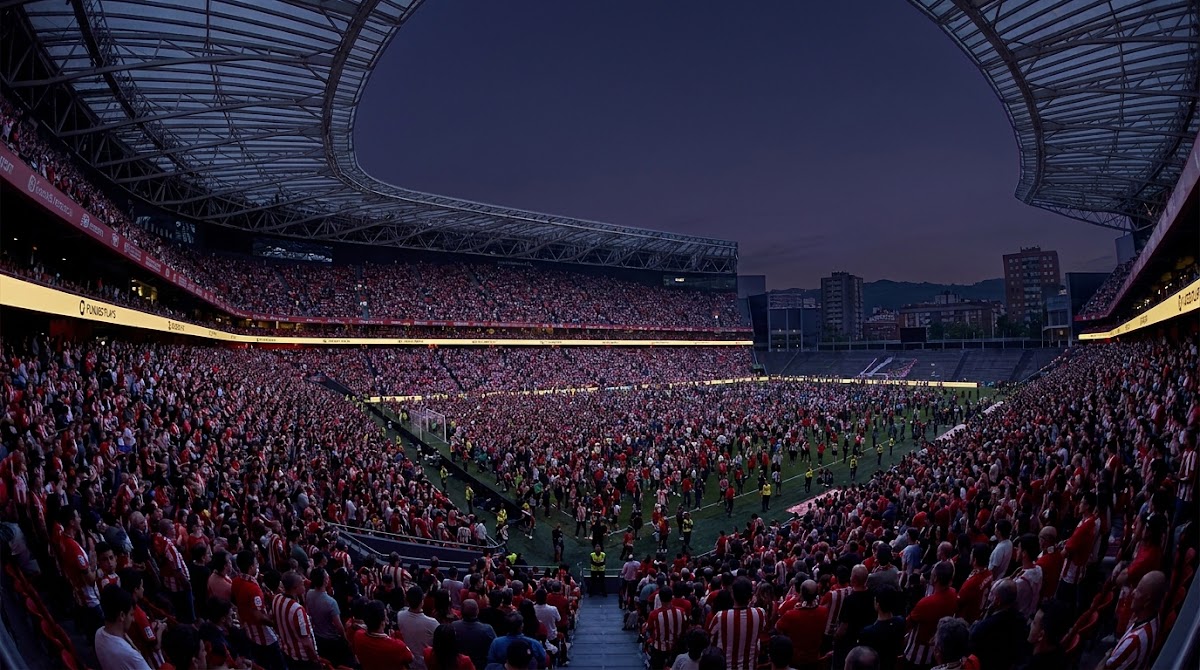
The core unwritten rule at Athletic Club restricts first-team signings to players born in, or developed within, the greater Basque footballing sphere, a tradition that remains central to the club's identity through 2026 and that model affects how analysts approach an athletic bilbao prediction.
The practice is commonly described as a club recruitment preference rather than a written contract, and contemporary reporting traces both its cultural roots and its ongoing role in squad decisions The Guardian explanation of the Basque-only policy.

In short, Athletic fields players who meet regional eligibility through birthplace or youth training in areas such as the Basque Autonomous Community, Navarre, or the French Basque Country, and that selection logic is a direct input for short-term lineup projections and longer-term squad planning.
Origins and history of the Basque-only policy
The policy grew from Athletic Club's local identity and a regional culture of football development that predates modern transfer markets, which is why historians and long-form reporting treat it as a defining feature of the club rather than a recent marketing line The Guardian explanation of the Basque-only policy.
That cultural rationale hardened into practice over decades as the club prioritized homegrown pathways instead of wide-ranging external recruitment, an approach journalists revisited when discussing major club milestones in later years Contemporary coverage noting the club's identity (see academic analysis Play Fresh, Play Local).

How eligibility is defined: who counts as Basque
Practically, eligibility is assessed along two lines: whether a player was born in the region and whether they were trained locally at youth level; teams and commentators typically accept both as valid bases for first-team recruitment (see Athletic Bilbao signing policy).
Reporting and club practice usually include the Basque Autonomous Community, Navarre, and the French Basque Country within the policy's scope, but individual cases sometimes require interpretation by scouts and club staff Foundational review of the policy's geographic scope.
Quick eligibility monitor for Athletic player lists
Use weekly updates from club announcements
Because the rule is not a formal legal restriction, clubs and journalists occasionally debate edge cases where a player's background is mixed, so analysts should treat eligibility as a working classification rather than an absolute barrier.
What the policy means for transfers and squad building
The Basque-only practice constrains Athletic's external transfer market options and therefore increases reliance on academy production and focused regional scouting, which directly shapes depth and rotation plans.
Structural analyses place Athletic high among European clubs for minutes played by club-trained players, a metric that shows how the policy is reflected in selection and season-long continuity CIES Football Observatory data on club-trained minutes.
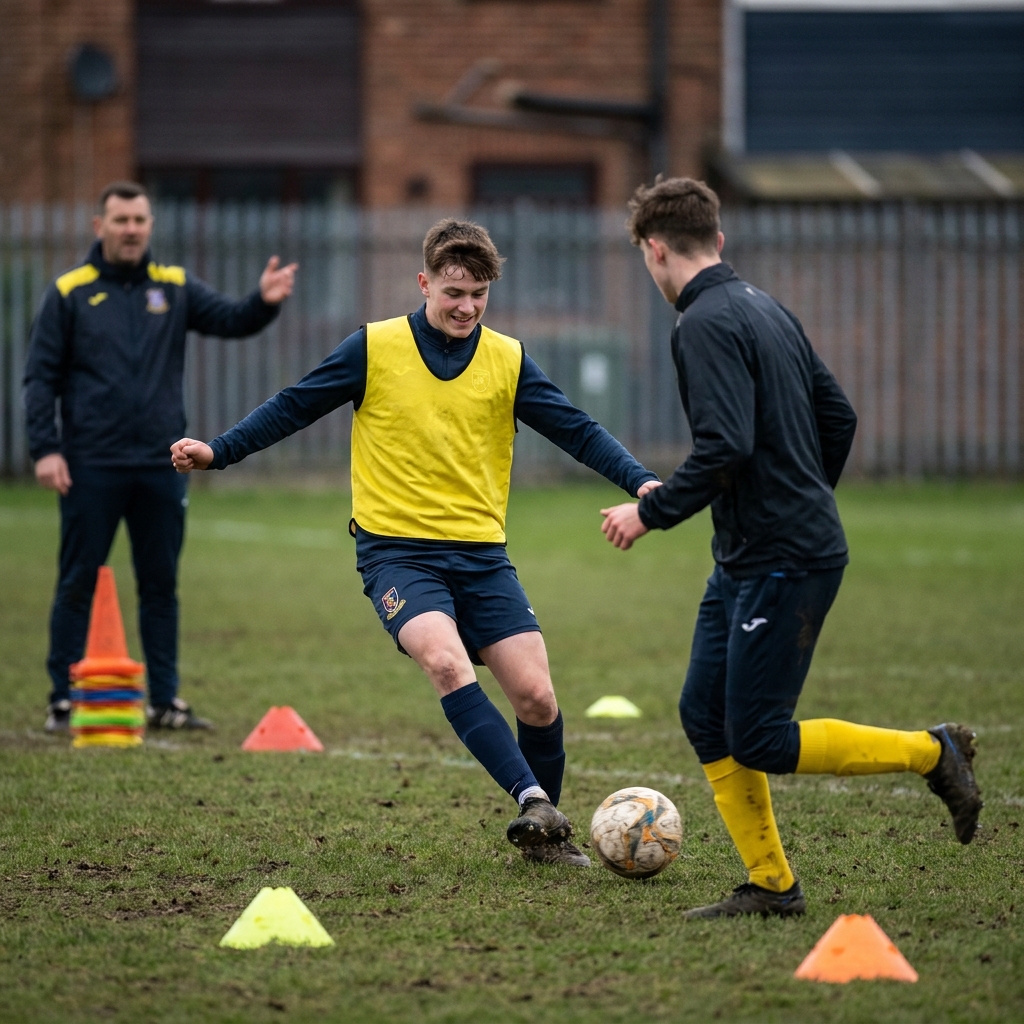
Operationally, the club balances continuity with targeted signings from the eligible pool, accepting narrower recruitment windows in exchange for cultural coherence and long-term identity consistency.
Case study: how the rule shaped Athletic’s 2024 Copa del Rey win
Case study: how the rule shaped Athletic’s 2024 Copa del Rey win
Athletic's 2024 Copa del Rey triumph, which ended a 40-year wait, provided a high-profile example of the Basque-only approach operating successfully at elite level, and contemporary reporting emphasized the club's identity as part of the victory story Reuters coverage of the 2024 Copa del Rey win.
Match reports and feature pieces framed the squad's composition and academy continuity as important narrative threads in the tournament run, showing how identity and on-field performance were linked in the public conversation The Guardian on the tournament narrative.
Athletic Club's unwritten rule is a recruitment preference to sign first-team players who were born in, or developed as youth within, the greater Basque region; it shapes transfers, squad continuity and tactical identity but is applied with practical judgment rather than as a formal legal restriction.
For modelers, the Copa run illustrated that a constrained recruit pool can still produce a competitive squad when academy output, tactical fit, and team cohesion align, but it also highlighted the need to monitor situational risk like injuries or form dips when that pool is thin BBC Sport on the club's achievement.
Tactical identity and typical lineups to expect
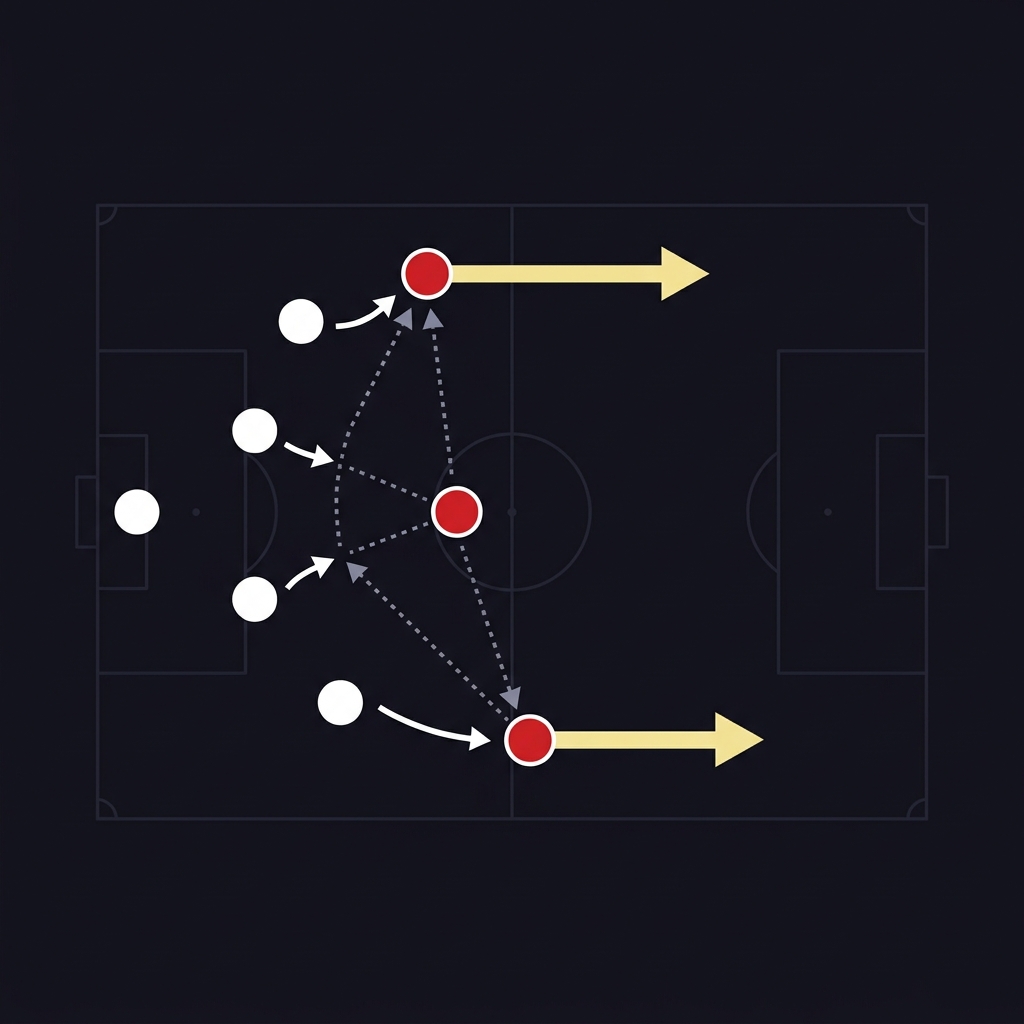
Under Ernesto Valverde in the 2023-24 period, Athletic often combined aggressive pressing with wing-driven transition play, a tactical fingerprint that interacts with recruitment choices by favoring certain player profiles over others Match analysis noting tactical tendencies.
Reports frequently identified the Williams brothers as central to chance creation, which matters because consistent reliance on homegrown attacking pairs affects rotation decisions and contingency planning for analysts.
Tactical patterns and recruitment constraints together mean that Athletic lineups tend to favor players who combine stamina for pressing with the technical and positional familiarity that comes from being developed within the club's system.
athletic bilbao prediction: What this means for match predictions and models
When building forecast models, treat the Basque-only practice as a structural constraint that raises certain risks and reduces others: the club's higher share of club-trained minutes improves continuity but can concentrate vulnerabilities when the pool is limited CIES data on minutes by club-trained players.
Apply the checklist and monitor official updates on the FundedPlays Challenges page
Apply the checklist below to each match and cross-check official club announcements before adjusting model weights.
Key variables to incorporate include current injury lists at position level, recent youth promotions that expand depth, and tactical matchups that reward pressing or wing play; each of these connects back to how the recruitment practice shapes available personnel; see the Funded Plays evaluation guide how-fundedplays-evaluations-work.
Building a simple prediction checklist for Athletic Bilbao matches
Pre-match checklist items to verify: available senior players in pressing-intensive roles, number of recent academy promotions, and the team's recent minutes distribution among club-trained players (see Funded Plays checklist Funded Plays blogs).
Include injury status and positional depth as primary modifiers because a narrow eligible pool makes certain positions more sensitive to absences, and monitor whether recent youth promotions have created usable depth.
Finally, evaluate opponent styles for whether they invite wing transitions or high press vulnerability, since Athletic's tactical tendencies make those matchups especially relevant.
Decision framework: when to include Athletic Bilbao in your forecasts
Start with a simple rule set: if the club has confirmed senior availability across core positions and no more than two new injuries in the week before a match, treat baseline model expectations as normal; otherwise, downgrade for depth risk.
Use minute-share metrics and recent academy output as objective inputs: a high season-to-date share of club-trained minutes supports stability; rapid drops or elevated rotation flags suggest more uncertainty CIES minute-share analysis.
The 2024 Copa example shows the policy can support high-level success, but that success required alignment of tactics, fitness and form rather than simply the policy itself Coverage linking identity to the victory.
Common prediction mistakes and pitfalls with Athletic Bilbao
A frequent error is assuming the Basque-only identity guarantees competitiveness; identity is one factor among many and cannot substitute for up-to-date minutes and injury data.
Analysts also sometimes underweight fixture congestion and positional thinness; because the recruitment pool is narrower, sequenced matches can expose rotation limits that other clubs avoid.
To avoid confirmation bias, test model sensitivity to minute-share changes and recent promotions instead of hard-coding identity as a fixed advantage Foundational context on club identity.
Practical examples: three match scenarios and how to reason them
Scenario 1, a cup tie versus a deeper-squad opponent: prioritize current lineup confirmations and recent youth use; if academy players have been integrated steadily, the club's identity can help maintain competitiveness, as in parts of the 2024 Copa run The Guardian on the cup run.
Scenario 2, a midweek fixture with injuries: downgrade for rotation risk if multiple key positions show recent absences, because the pool of eligible replacements is often narrower than at clubs without regional limits.
Scenario 3, a derby or local rivalry: treat tactical motivation and crowd effects as modifiers but still check minute-share stability; emotional matches can amplify small tactical advantages created by familiar player combinations.
How to track the most useful data feeds and club-trained metrics
Track season-to-date share of minutes by club-trained players as a headline metric and watch weekly distributions to detect emerging rotation or overuse patterns CIES measurements of club-trained minutes.
Monitor official club announcements for youth promotions and injury reports, and combine those with match-day squad lists to confirm which academy graduates are being trusted in senior roles.
Frequently asked doubts about the rule, clarified
Is the policy absolute? No. The practice is an unwritten recruitment preference oriented toward first-team signings rather than a binding legal restriction, and it is applied with practical judgment Foundational review of the policy's nature.
Can non-Basque players appear for Athletic? The club's focus is on players who fit the birthplace or youth development criteria; exceptional cases are discussed in reporting but remain the exception rather than the norm Contemporary reporting that frames the policy.
Conclusion: using the unwritten rule responsibly in predictions
Key takeaways: Athletic's Basque-only recruitment shapes transfers, squad continuity and tactical identity, but it does not guarantee results; treat it as a structural input layered into models rather than a decisive override.
Next steps for modelers: monitor academy output, injury lists and minute-share metrics, and apply the decision framework and checklist here to weight the policy appropriately when forming match expectations.
No, it is an unwritten recruitment practice the club applies to first-team signings rather than a legal restriction.
Typically players born in the Basque Autonomous Community, Navarre, or the French Basque Country, or those developed in local youth systems, are considered eligible.
No, it shapes squad composition and continuity but does not guarantee results; success depends on tactics, fitness and form.
References
- https://www.theguardian.com/football/blog/2012/apr/12/athletic-bilbao-basque-identity
- https://www.fundedplays.com/challenges
- https://www.nytimes.com/2024/04/06/sports/soccer/athletic-bilbao-copa-del-rey.html
- https://www.tandfonline.com/doi/abs/10.1080/17430430701388822
- https://en.wikipedia.org/wiki/Athletic_Bilbao_signing_policy
- https://football-observatory.com/club-trained-players-share-of-minutes-2024
- https://www.reuters.com/world/europe/athletic-bilbao-beat-mallorca-win-first-copa-del-rey-40-years-2024-04-06/
- https://www.theguardian.com/football/2024/apr/06/athletic-bilbao-beat-mallorca-copa-del-rey-final
- https://www.bbc.com/sport/football/68756383
- https://www.fundedplays.com/blogs/how-fundedplays-evaluations-work
- https://www.fundedplays.com/blogs
- https://www.fundedplays.com
- https://www.athletic-club.eus/en/philosophy/what-is-it/