
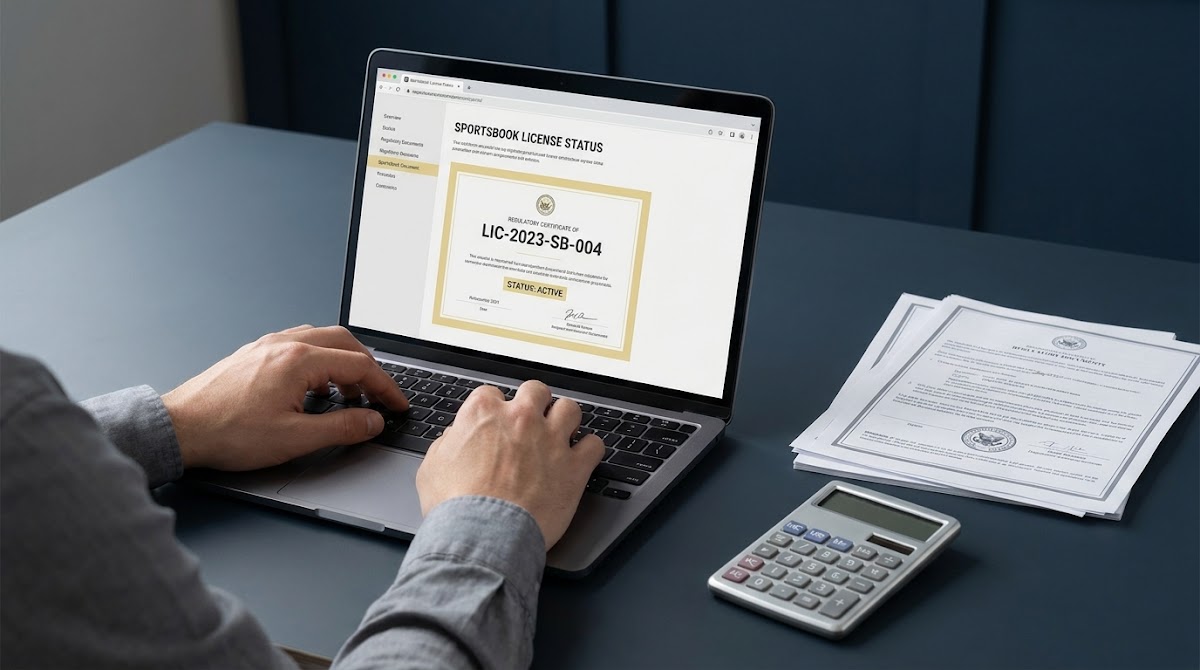
What we mean by Asian bookies and why reliability varies
Definitions and scope (asian sportsbook)
When people ask whether Asian bookies are reliable they often mean operators that either target customers in Asia or are headquartered in countries in the region. That group includes locally licensed venues as well as sites that operate remotely across borders, and the mix matters for reliability.
Reliability depends strongly on whether an operator is legally licensed and subject to consumer protections in its home jurisdiction or the customer jurisdiction; regulators in the region regularly warn consumers about illegal remote services and publish lists of authorised operators to help users verify claims GRA consumer advisory.

Some operators run within clear local rules and follow KYC and withdrawal procedures. Others advertise cross-border services without local permission and can present legal and financial risk to users, including difficult withdrawals and weaker dispute resolution options PAGCOR public advisory.
Why a single label covers many regulatory contexts
Labeling a site simply as an Asian bookmaker hides major differences: countries in Asia have different licensing systems, enforcement priorities and consumer protections. A firm licensed and listed on an official register will typically offer more transparency than an unlisted operator.
For readers this means the term Asian bookies reliability is not a single yes or no. Instead, it is a property to be measured for each operator by checking licences, payment practices and evidence of oversight.
Why verifiable licensing is the single strongest reliability test
What a licence demonstrates
A verifiable licence shows the operator has agreed to oversight, KYC and consumer-protection obligations that unlicensed sites usually do not provide; regulators in Asia explicitly advise consumers to avoid illegal remote gambling operators and point to official registers to confirm legal status PAGCOR public advisory.
Which regulator features to trust
When you read a licence entry on a regulator register look for the operator name, the licence number, the scope of permitted activity and whether any public enforcement actions appear alongside the record. These details help confirm a licence is current and relevant to your situation.

Also check whether the licence record links to a complaints process, sets KYC expectations and defines withdrawal terms; these are specific consumer protections you should expect from licensed operators UK Gambling Commission guidance.
Step-by-step: how to check an operator's licence and regulatory status
Quick verification steps
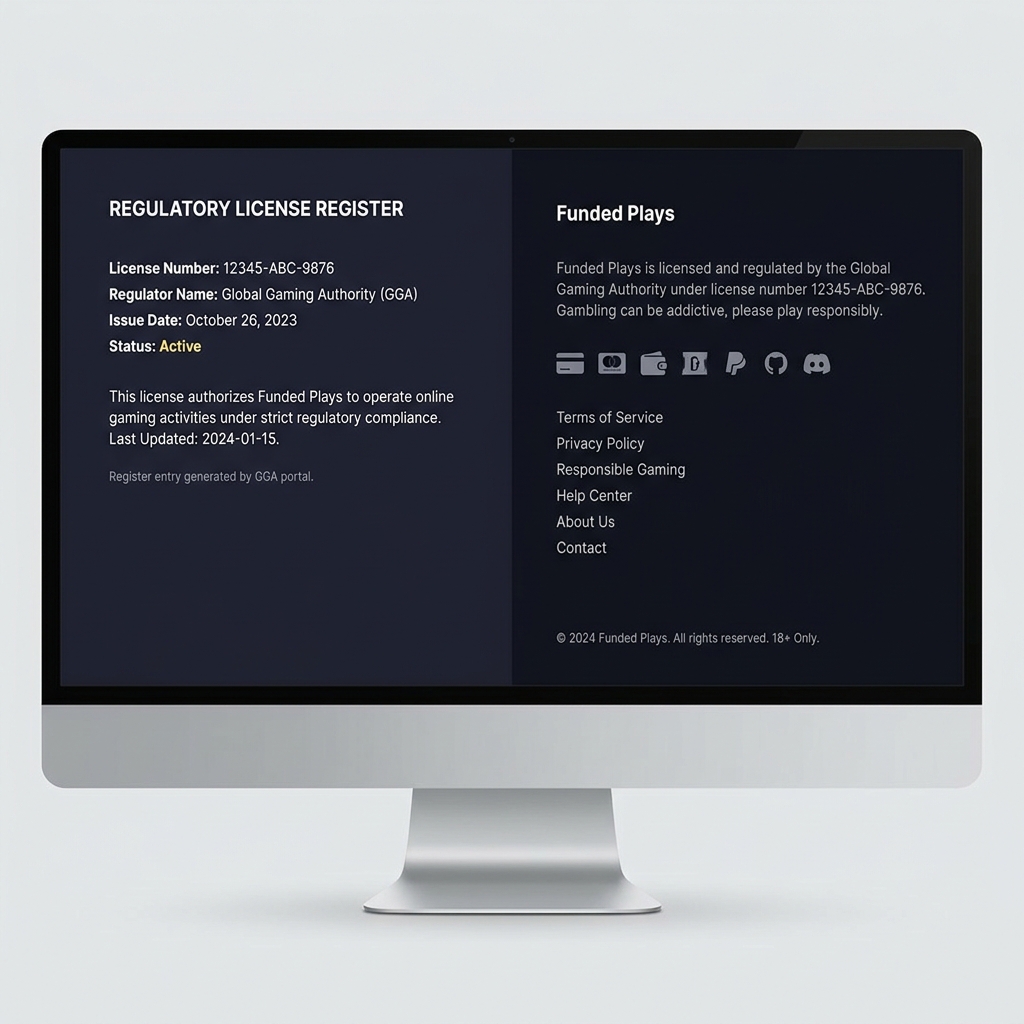
1. Find the licence statement on the operator's site footer or legal page and note the operator name and licence number.
2. Visit the regulator's official register and search the licence number or operator name to confirm the entry matches the site claiming the licence.
3. Check the licence record for scope, issue and expiry dates, and any public enforcement notes.
Check an operator's licence in three steps
Run the three quick checks now: find the licence on the site, search the official register, and confirm the licence scope before you deposit.
4. Review the site for clear KYC requirements, published withdrawal rules and a defined complaints process; these elements are often part of a regulator's consumer-protection framework and worth confirming on the licence page.
If you cannot find a matching entry on an official register, treat the site as unlicensed and avoid deposits; regulators in the region publish lists of authorised operators so the absence of a match is itself a warning sign GRA consumer advisory.
How to read a regulator entry
On a regulator page, compare the operator name exactly as it appears on the site, the licence number and any notes about permitted markets or product types. Differences in the legal entity name or licence scope often indicate the site is not the true licence holder.
If the register shows active enforcement, or if the record lacks withdrawal or complaints details, proceed cautiously and seek further verification from the regulator or other official sources UK Gambling Commission guidance.
What to do if the register shows nothing
If the register search returns no matching entry, do not deposit and consider reporting the site to the regulator. Many Asian authorities explicitly warn that illegal remote operators present consumer risk and advise users to only deal with listed providers PAGCOR public advisory.
Capture screenshots of the site's licence claims and any promotional pages, and keep transaction evidence if you have already funded an account; that material will be needed if you later report the operator.
INTERPOL operations and the scale of illegal betting networks
What Operation SOGA X revealed
Large multinational enforcement efforts show that illegal betting networks operate at scale and cross borders. In 2024 INTERPOL led Operation SOGA X which targeted illegal gambling networks and resulted in substantial arrests and asset seizures, underscoring the criminal scale some illicit operators reach INTERPOL Operation SOGA X report.
What arrests and seizures mean for consumers
When an operator forms part of a criminal network, consumer protections weaken: payment channels may be opaque, withdrawals can be delayed or denied, and legal recourse becomes complicated because actions cross jurisdictions.
That law enforcement attention reinforces the simple consumer rule: verify licences and prefer operators that appear on official registers rather than trusting sites that show no regulator listing.
Integrity monitoring and match manipulation risks
What integrity alerts mean
Industry monitoring bodies publish alerts when suspicious betting patterns appear, and those alerts signal increased manipulation risk in affected markets or events. Operators that cooperate with recognized monitoring frameworks and publish integrity policies reduce exposure to those risks IBIA Annual Integrity Report 2024.
Some are, but reliability depends on verifiable licensing, transparent payment and withdrawal practices, and cooperation with integrity monitoring; verify each operator before you deposit.
Which operators participate in monitoring
Check whether an operator states it shares data with integrity bodies, or whether it appears in public monitoring reports; participation is not a guarantee but it is a practical safeguard that supports reliability.
When a bookmaker is absent from integrity frameworks and suspicious activity is reported for a sport or region, treat that absence as a caution and consider limiting exposure or avoiding the operator.
Payment safety and withdrawal protections to verify
Safe payment channels
Regulators warn that illegal operators commonly route customer funds through unregulated payment methods and that this practice reduces the customer's ability to reclaim funds; prefer operators that use regulated payment providers and clear banking rails GRA consumer advisory.
Transparent payment options, published withdrawal processing times and identity-check policies are practical indicators of an operator that respects consumer protections. If withdrawal rules are vague, that is a red flag.
Red flags in withdrawal policies
Avoid sites that require unusual payment routes, mandate nonstandard intermediaries, or publish no clear withdrawal timeline. Regulators advise that such patterns are common among illegal operators and that users have limited recourse when problems arise PAGCOR public advisory.
Keep records of transaction IDs and correspondence; these details are essential if you need to raise a dispute with a payment provider or regulator.
Common red flags: how illegal operators mimic licensed brands
Typical mimic tactics
Illegal operators often imitate licensed brands by copying logos, fabricating licence numbers, or creating mirror pages that look like an authorised register. Regional research documents these mimicry tactics and warns users to verify claims directly on regulator registers State of Illegal Betting in Asia 2024.
quick registry lookup method
Use exact legal names for searches
How to spot fake licence badges and false registers
Quick checks include confirming the domain in the browser matches the site named in the licence, testing whether the licence number appears on the official regulator site and checking for obvious URL mismatches; if the regulator's list is unreachable from the operator's claimed jurisdiction, be suspicious.
Also compare the legal entity name on the site with the regulator record; mismatched names are a common sign of fabricated licence claims.
Decision checklist: pick a safer Asian sportsbook
Eligibility and licence verification
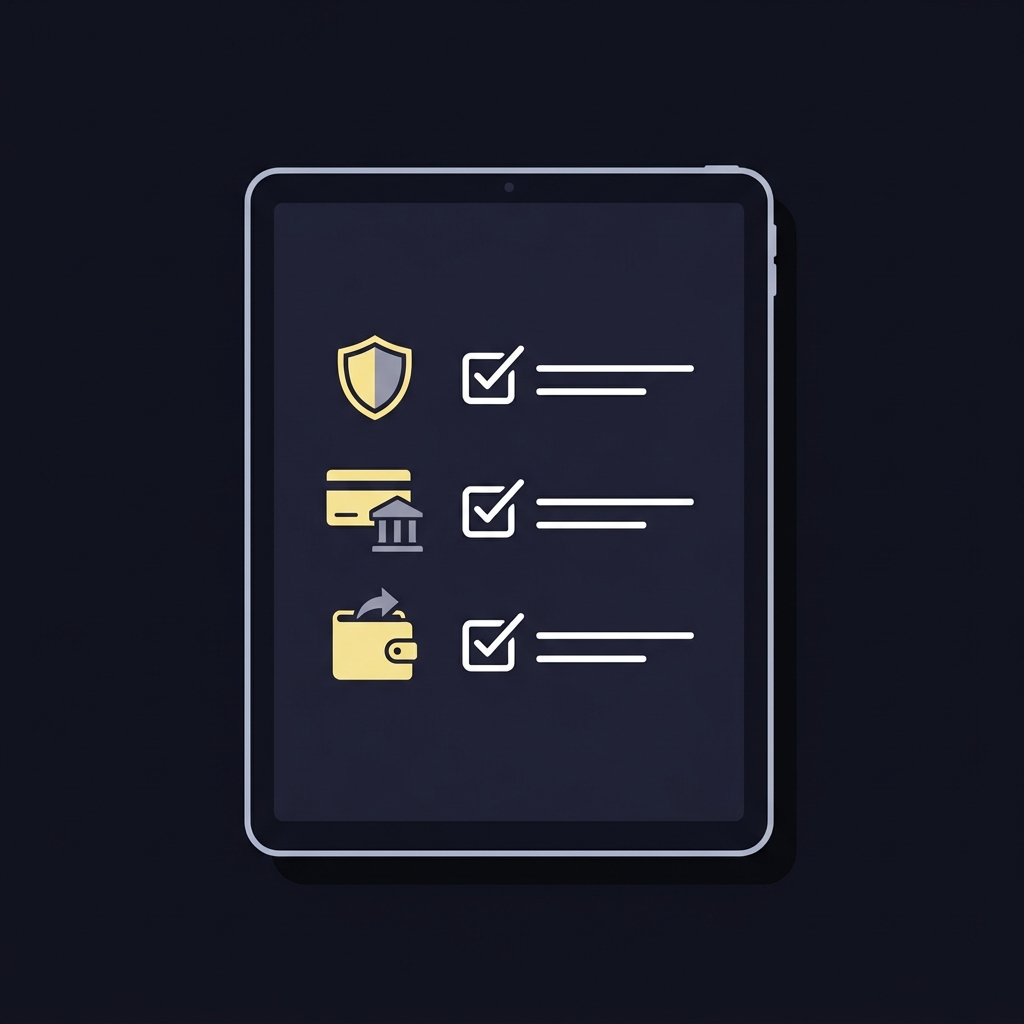
Use this short checklist before you sign up: confirm a matching licence number on an official register, verify the licence scope covers your country, and ensure the operator's legal entity name matches the register entry.
Each checklist item reduces a specific risk: licence verification confirms oversight, scope checks confirm the operator may legally accept customers from your country, and name matches prevent brand impersonation.
Payments, integrity and complaints checks
Also confirm payment providers are regulated, that the operator publishes withdrawal and KYC rules, and that it references industry integrity monitoring or cooperation with recognized bodies; failure on multiple items suggests you should avoid the site.
If several items fail, the safest choice is to walk away and choose an operator with clear regulatory credentials and transparent consumer protections.
Typical user mistakes and how to avoid them
Common cognitive traps
Users often trust a site's appearance, assume a professional-looking footer equals a valid licence, or rely solely on promotional claims or user reviews. Each of these shortcuts can be exploited by operators that mimic licensed brands State of Illegal Betting in Asia 2024.
Avoid relying only on user comments or attractive site design; these signals do not substitute for direct register checks and payment validation.
Practical avoidance tactics
Corrective actions are simple: cross-check licence claims on official registers, capture screenshots of terms and transaction confirmations, and use reputable, regulated payment channels when possible.
If you find mismatches or cannot verify the licence, stop further transactions and report the site to the appropriate regulator.
Practical scenario: verifying a site before you deposit
Realistic verification walkthrough
Set aside ten minutes and follow these steps: locate the licence footer, copy the licence number, search the regulator register, confirm the legal name and licence scope, and note the withdrawal terms and payment providers listed on the site.
As you go, take screenshots of the site pages and the register results so you have evidence should you need to dispute a transaction later.
Example actions to take if doubts appear
If the register shows the operator as unauthorised or if details do not match, close your session, do not deposit and report the site to the regulator; many Asian authorities publish clear advice to consumers about illegal operators and how to report them PAGCOR public advisory.
If you already deposited, contact your payment provider with transaction IDs and screenshots and ask them to open a dispute; regulated payment rails offer the best chance of recovery.
If something goes wrong: steps to report and escalate
Collecting evidence
Collect screenshots, timestamps, transaction IDs, copies of the operator's terms and any support correspondence. Regulators and payment providers will expect this material when reviewing complaints.
Store messages and page archives in a safe place and note the exact rules that applied at the time of your transaction.
Where to report and what to expect
If the operator is licensed, report to its regulator and follow their complaints process. If it is unlicensed, report to local law enforcement or the regulator that publishes its advisory lists; outcomes depend on jurisdictional enforcement capacity and available ADR channels UK Gambling Commission guidance.
Be prepared that cross-border enforcement can be slow; having clear transaction and communications records improves the chance of a favourable outcome.
When to walk away: limits of consumer protection in some jurisdictions
Jurisdictional gaps
Some jurisdictions offer limited consumer protection for cross-border services and may lack ADR mechanisms, which means even transparent complaints can take longer or fail to resolve.
When you see no regulator entry, evidence of unregulated payment routing, or links to enforcement cases, a conservative approach is to avoid the operator rather than rely on uncertain dispute outcomes GRA consumer advisory.
When avoidance is the safest choice
If several risk signals line up - no register entry, odd payment channels and mismatched legal names - walk away. The short-term convenience of deposit bonuses is not worth the longer-term risk of blocked or delayed withdrawals.
Choosing operators with clear regulatory standing and documented integrity cooperation is the practical route to managing risk.
How industry bodies and regulators reduce risk
Role of integrity bodies and public advisories
Industry bodies publish suspicious-activity reports and regulators issue public advisories that identify illegal operators or warn about common tactics used by illicit networks; consulting these sources adds an independent layer of verification to a licence check INTERPOL Operation SOGA X report.
Enforcement and public registers
Public enforcement actions, seizures and arrests highlight operators to avoid and register updates provide a durable record of legally authorised providers. Use both regulator lists and industry integrity reports when you assess an operator.
Where regulators publish clear registers and consumer guidance, they make it much easier for users to separate licensed operators from illegal imitators.
Conclusion: practical next steps and resources
Quick action list
Quick steps: verify the licence on an official register, confirm payment providers and withdrawal terms, check for integrity-monitoring participation, and capture evidence of any transactions.
Whenever multiple checklist items fail, do not deposit. Being conservative about where you place funds is the simplest safeguard against the risks outlined in this guide.
Where to learn more
Consult regulator registers for your jurisdiction and industry reports from recognized bodies for integrity alerts. Those sources are the most reliable starting points when assessing any operator's reliability IBIA Annual Integrity Report 2024.
Responsible participation and disciplined verification reduce your exposure to unreliable operators and make it possible to enjoy sports forecasting with clearer risk control.
Find the licence statement on the site, copy the licence number or operator name, and confirm the entry on the official regulator register before depositing.
Prefer regulated payment providers, clear withdrawal timelines and documented identity checks; avoid unusual intermediaries or opaque routing.
Collect screenshots, transaction IDs and support messages, contact your payment provider to open a dispute, and report the operator to its regulator if licensed.
References
- https://www.gra.gov.sg/consumer-advisories/illegal-online-gambling
- https://www.fundedplays.com/challenges
- https://www.pagcor.ph/regulatory/advisory-illegal-online-gambling.php
- https://www.gamblingcommission.gov.uk/for-the-public/your-rights/withdrawals-and-identity-checks
- https://www.gamblingcommission.gov.uk/public-register
- https://www.interpol.int/en/News-and-Events/News/2024/Operation-SOGA-X-targets-illegal-gambling-networks
- https://ibia.bet/wp-content/uploads/2025/02/IBIA-Annual-Integrity-Report-2024.pdf
- https://www.arfcouncil.com/publications/state-of-illegal-betting-asia-2024.pdf
- https://gamblinglicenseregister.com/
- https://www.acma.gov.au/check-if-gambling-operator-legal
- https://www.fundedplays.com
- https://www.fundedplays.com/blogs
- https://www.fundedplays.com/blogs/how-fundedplays-evaluations-work