
What people mean by 'Asian bookies' and why legality varies for an asian sportsbook
The phrase 'Asian bookies' is a colloquial label used to describe bookmakers, betting operators or sportsbooks that are based in, or associated with, jurisdictions in Asia. In everyday use it can mean anything from a locally licensed operator in a specific country to an offshore site that identifies culturally or geographically with Asia. That ambiguity is why you should not assume a particular operator is lawful simply because it describes itself as an asian sportsbook.
Legality turns on two clear facts, not on branding. First, where you as the customer are located matters because local law typically governs whether you may use the service. Second, whether the operator holds a licence or exemption that covers customers in your jurisdiction determines whether you get regulator protections and dispute channels. An operator based in Asia can be fully licensed for some markets and unlawful for others, so always check the applicable regulator before you sign up.
Legality depends on your jurisdiction and whether the operator holds the appropriate local licence or a statutory exemption; always verify via the relevant regulator before engaging.
In short, ask yourself early: Is this operator legal where I live? That single question should shape the rest of your checks and any decision to deposit funds or share payment details.
How licensing and regulator registers decide if an asian sportsbook is legal
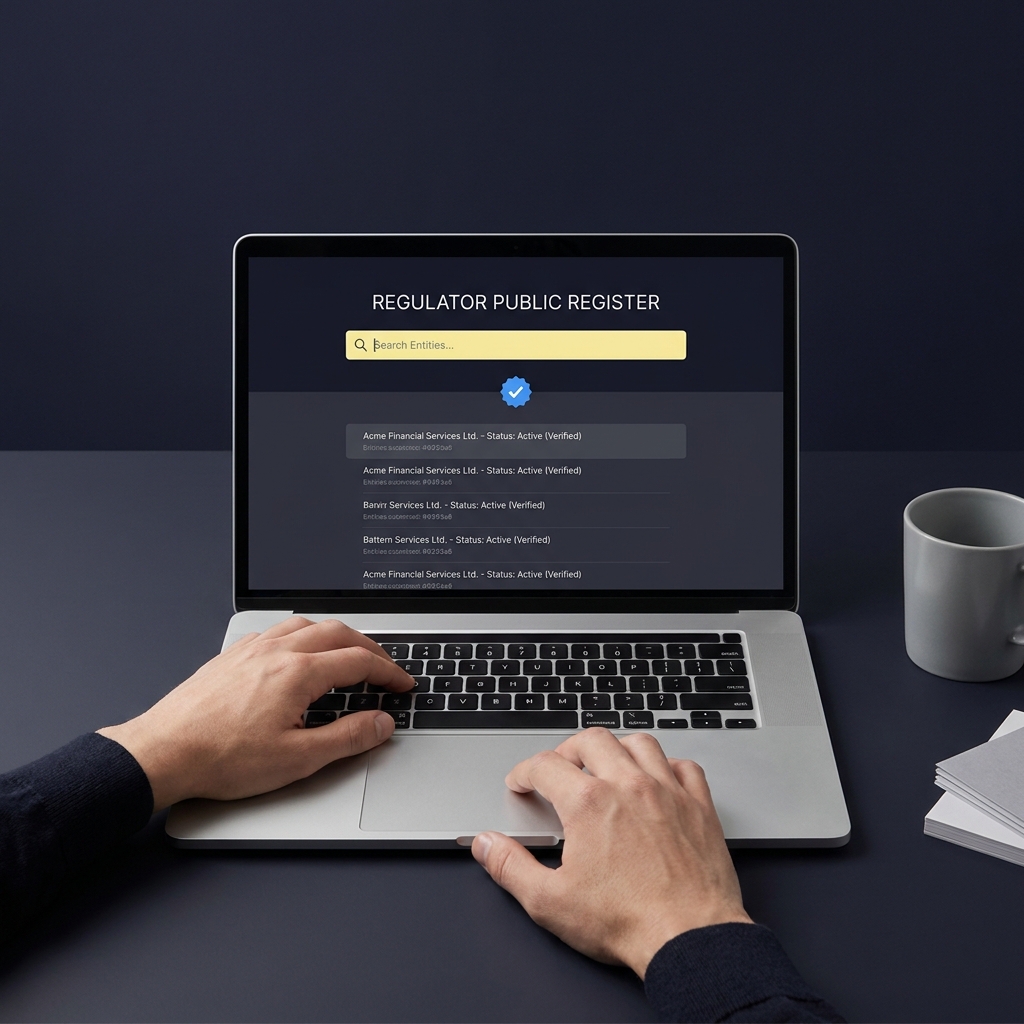
A licence normally means the operator is authorised to offer gambling in a defined jurisdiction and must meet regulator standards for consumer protection, game fairness and anti-money-laundering. You can verify whether an operator is authorised by searching the regulator public register in the market you care about. For example, the UK Gambling Commission maintains a public register you can search by operator name to confirm licence status and permitted activities Public Register of Gambling Businesses.
When you check a public register, look for the operator name, licence number, the licence scope and any conditions or restrictions. A genuine licence entry normally includes a clear corporate name, the activities authorised, and contact details for compliance. If an operator claims to be licensed but you cannot find an entry on the regulator register, treat that claim as suspect and do not deposit until you clarify the discrepancy.
Licences are important because they give you access to dispute resolution, requirements for responsible gambling tools and oversight that can include independent audits. Exemptions sometimes exist in a regulator framework, but exemptions are typically narrow and must be verified directly with the regulator in question rather than assumed. If you are unsure whether an advertised exemption covers you, contact the regulator and ask.
Country snapshots: how the UK, Singapore, Philippines, US and Australia treat asian sportsbooks
Different national rules shape whether an asian sportsbook can lawfully serve customers in each market. Check the regulator public register or official advisories for the specific operator before you act. For operators claiming UK permissions, use the UK Gambling Commission public register to confirm the licence details Public Register of Gambling Businesses.
a short checklist for checking regulator public registers for an operator
Search by exact corporate name
United Kingdom: Any operator offering gambling to customers in Great Britain must hold a UK Gambling Commission licence and will appear on the regulator public register. If a provider is not listed, it is not authorised to offer regulated gambling to UK customers and using such an unlicensed offshore site removes the protections you would have with a licensed operator Public Register of Gambling Businesses.
Singapore: Remote gambling is unlawful in most cases unless the operator is licensed or explicitly exempt under the Gambling Control Act 2022. The Singapore framework allows the regulator to use enforcement tools such as internet service provider blocking and payment blocking against unlawful services, so availability and payment acceptance can be affected by local enforcement Gambling Control Act 2022.
Philippines: The Philippines permits licensed internet and offshore gaming within PAGCOR's regulatory frameworks, including licences that apply to certain online and offshore-facing operators. Unlicensed operators remain illegal and may be subject to enforcement, so users should consult PAGCOR's official lists and advisories before engaging with any operator claiming local approval PAGCOR regulatory index.
United States: Legal sports betting is governed on a state-by-state basis, meaning operators must hold state licences to offer lawful sports betting in a particular state. Offshore sites that target U.S. customers are generally not lawfully authorised, and federal rules such as the Unlawful Internet Gambling Enforcement Act limit payment processing for unlawful internet gambling Unlawful Internet Gambling Enforcement Act.
Australia: The Interactive Gambling Act restricts many offshore gambling services and empowers authorities to block illegal sites. Since June 11 2024, Australian authorities have also enforced bans on certain payment methods for online wagering, including credit cards in many contexts, which affects how offshore operators can accept funds from Australian customers Interactive gambling overview.
Why offshore operators that target local customers are often illegal
The legal principle is straightforward: offering gambling services to residents of a jurisdiction typically requires a local licence or an explicit exemption. When an offshore operator actively markets to or accepts bets from residents, regulators treat that as operating within their jurisdiction and expect the operator to be licensed accordingly. In many markets this removes any safe harbour for purely offshore registration and creates obligations the operator must meet.
Regulators use several legal mechanisms to prevent unlicensed operators from serving local customers. These tools include revoking or refusing licences to entities with non-compliant behaviour, ordering internet service providers to block access to specific domains, and restricting payment channels to stop funds flowing to unlawful sites. For example, Singapore's law authorises ISP and payment blocking against unlawful remote gambling services Gambling Control Act 2022.
Payment restrictions are an important enforcement layer. In the United States, the UIGEA targets payment processing for unlawful internet gambling, making it harder for offshore operators to accept common payment types. Local payment rules and financial sector cooperation are a practical barrier that complements licence requirements and can materially affect whether an offshore operator can serve customers in a regulated market Unlawful Internet Gambling Enforcement Act.
Red flags to spot illegal asian sportsbooks
Watch for quick, verifiable signs before you deposit. An absent or mismatched entry on the relevant regulator public register is a primary warning sign. If an operator claims a licence but you cannot find a matching entry on the regulator site, stop and check further. In many jurisdictions the public register is the authoritative source of licence information Public Register of Gambling Businesses.
Verify licences and payment rules before you deposit
Pause and run the checklist in this article before you deposit or provide payment details. Verifying licence status and payment methods can prevent loss of protection and reduce the risk of blocked transactions.
Other practical red flags include operators that accept only credit-card payments in jurisdictions where credit cards are banned for online wagering, or those insisting on crypto-only deposits where local rules restrict such methods. In Australia, for example, recent rules have specifically limited credit-card use for online wagering and made certain payment channels inappropriate for lawful operators Credit card ban announcement.
Also look for absent responsible gambling disclosures, unclear corporate identity or no clear dispute resolution channel. Legitimate licensed operators generally include links to regulator pages, clear corporate information, accessible terms and a known route to escalate a complaint to an external dispute resolution body. If those items are missing, treat the service as risky.
If you are in the UK: steps to verify whether an asian sportsbook is legal for you
Start by searching the UK Gambling Commission public register for the operator name, licence number and permitted activities. The public register entry should clearly identify the corporate licence-holder, the address used for licensing purposes and any restrictions on the licence. Use the regulator search fields to match the operator name exactly and confirm the licence covers the products you intend to use Public Register of Gambling Businesses.
If the operator is listed, review the licence conditions and confirm whether the activity you want is authorised. A UK-licensed operator offers consumer protections such as self-exclusion tools, age verification, and complaint channels that escalate to the regulator. If you cannot confirm a licence or see a mismatch, do not deposit and contact the regulator for guidance.
Safer payment practices include preferring regulated payment methods and avoiding crypto or other non-traditional channels when local rules limit them. If you experience blocked payments or suspect an operator is unlicensed, preserve screenshots and correspondence, contact your bank or payment provider, and report the operator to the UK regulator so they can investigate.
If you are in Singapore: legal risks, enforcement and what to avoid
Singapore’s Gambling Control Act 2022 makes remote gambling illegal for most operators unless they are licensed or explicitly exempt. That means many offshore services that take bets from Singapore residents are unlawful and can be subject to enforcement measures that affect both accessibility and payments Gambling Control Act 2022.
Practical enforcement tools include ISP blocking and payment blocking, which can make an unlawful service intermittently or permanently unavailable in Singapore. The presence of such blocks also affects the value of any complaint or dispute because local enforcement signals that the service is not authorised for residents. Avoid operators that provide instructions to bypass local controls or ask you to use unapproved payment channels.
For Singapore residents, the safest course is to use only operators that are licensed or clearly exempt and to verify any claimed exemption with the regulator. If you have doubts, contact the regulator for clarity before sharing payment details or personal information with the operator.
Product note: a non-wagering, skill-based alternative to risky asian sportsbooks
A skill-based funded challenge platform offers an alternative that focuses on sports prediction performance rather than traditional wagering. These platforms typically use virtual funded accounts and structured evaluation challenges where participants prove consistency and discipline to access performance-based rewards. They operate under a different model from sportsbooks and emphasize transparent rules, challenge progress tracking and risk limits.

If you prefer to test your prediction skills without placing real-money wagers, a funded challenge platform may be an option. Always check the platform rules, eligibility, and local legality before participating, and remember that performance-based rewards are not guaranteed and depend on your results and compliance with the platform terms.
If you are in the Philippines: how to confirm an operator is licensed
The Philippines allows licensed online and offshore gaming under PAGCOR frameworks, but unlicensed operators remain unlawful and can face enforcement. Before you engage, consult PAGCOR's official lists and advisories to confirm whether an operator or service is specifically authorised to operate in or from the Philippines PAGCOR regulatory index.
When verifying, look for the licence type, the corporate licence-holder and any limitations attached to the licence. PAGCOR publishes guidance and advisories that can help you distinguish genuine licence-holders from services that merely claim an association. If an operator is not on the regulator list, treat the service as unlicensed and consider safer alternatives.
Typical enforcement actions in the Philippines can include site-blocking, public advisories and, in some cases, actions against operators that breach regulatory requirements. For your protection, keep records of communications and transactions if you need to escalate a complaint to the regulator.
If you are in the United States: state licences, UIGEA and payment implications for offshore sites
In the United States sports betting is permitted only through state-licensed operators in jurisdictions that have authorised it. That means you should only use operators that are licensed by the state regulator where you are located. Offshore sites that solicit U.S. customers generally do not have the required state licences and are thus not authorised to offer regulated sports betting to U.S. residents Unlawful Internet Gambling Enforcement Act.
Federal rules such as the UIGEA create practical barriers by restricting payment processing for unlawful internet gambling. Banks, payment processors and card networks are expected to screen and block transactions that are identified as relating to unlawful gambling. If you see unusual payment refusals or are asked to use informal payment channels, that is a strong indicator the service may not be lawfully authorised for U.S. customers.
For safety, use only state-licensed platforms, confirm the licence with the state regulator, and prefer mainstream payment methods supported by regulated sites. If you suspect an operator is illegal, retain transaction records and report the matter to the state regulator and your payment provider.
If you are in Australia: what the Interactive Gambling Act and payment bans mean
Australia's Interactive Gambling Act restricts many offshore gambling services and gives authorities powers to block illegal sites. That means offshore operators that accept Australian residents without suitable authorisation are likely to be contravening local law and may be subject to blocking measures Interactive gambling overview.

From June 11 2024, Australian rules tightened further with bans on certain payment methods for online wagering, notably restrictions on credit-card use for wagering in many contexts. These payment restrictions reduce the practical ability of offshore operators to accept funds from Australian customers and are an important red flag when evaluating a site Credit card ban announcement.
If you are in Australia, confirm an operator's compliance with local rules before depositing, and avoid sites that insist on payment channels prohibited by ACMA guidance. If in doubt, contact the regulator for confirmation and preserve any communications and payment records if you need to escalate a problem.
A decision checklist: is this asian sportsbook legal and safe for you?
Run this quick five-point checklist before you deposit or provide payment information. 1) Verify the operator on the relevant regulator public register. 2) Check accepted payment methods against local rules. 3) Confirm the site provides responsible gambling tools and disclosures. 4) Verify the corporate identity and contact details. 5) Check for a clear dispute resolution pathway and regulator contact details. If any item fails, stop and seek alternatives Public Register of Gambling Businesses.
If the operator fails the checklist, do not deposit, preserve screenshots and communications, contact your payment provider if funds are involved, and report the operator to the relevant regulator. For UK concerns, use the UK regulator; for Singapore, reference the Gambling Control Act; for the Philippines consult PAGCOR; for the United States contact your state regulator; for Australia contact the national regulator. These regulator contacts are the correct escalation points for suspected unlicensed services.
Common mistakes and how to avoid them when evaluating an asian sportsbook
Mistake 1: trusting a branded website or social media presence without checking the regulator register. A strong brand presence does not replace a valid licence. Always match the corporate name and licence number against the regulator public register before you deposit.
Mistake 2: ignoring payment restrictions. If an operator asks you to use payment channels that are restricted in your country, that is a strong warning sign. Follow local payment guidance and be cautious of services pushing crypto-only or unregulated methods where local rules limit them.
Mistake 3: assuming 'based in Asia' means lawful. Operators can be based in one region but still need local authorisation to serve residents elsewhere. Verify licensing claims, request licence documentation and consult the regulator if you see inconsistencies. Keep records of your checks and any correspondence in case you need to escalate a dispute later.
Practical scenarios: three short examples of verification and response
Example 1, licence mismatch. You find a site claiming a UK licence but the name and licence number do not match the UK public register entry. Next steps: stop, take screenshots, contact the UK regulator with the mismatch and avoid depositing until the issue is resolved. The public register is the authoritative source for licence verification Public Register of Gambling Businesses.
Example 2, payment methods blocked. You attempt a payment from Singapore and the transaction is declined, or the operator asks for an alternate unapproved method. This could reflect local payment blocking or a forbidden payment channel. Do not pursue workarounds. Check the regulator guidance and treat the site as likely unlawful if it insists on prohibited payment types Gambling Control Act 2022.
Example 3, consumer dispute with an offshore operator. If you have a dispute over a withheld balance or a refusal to process a legitimate withdrawal, gather all documentation, preserve timestamps and communication, and contact the regulator in the jurisdiction where the licence is held. If the operator is not licensed locally for your market, escalate to the regulator that covers consumers in your country and your payment provider to seek remediation Unlawful Internet Gambling Enforcement Act.

Conclusion: safe next steps if you are considering an asian sportsbook
Legality for any asian sportsbook depends on the customer location and whether the operator holds a valid local licence or exemption. Before you deposit, verify the operator on the appropriate regulator public register, confirm acceptable payment methods for your jurisdiction, and watch for the red flags outlined above. If you have doubts, do not proceed with deposits and consider safer, skill-based alternatives.
Responsible participation means verifying licences, keeping records of checks and communications, and using regulator channels to escalate concerns. When you prefer a non-wagering path to test sports prediction skills, fund-challenge platforms offer a different model that focuses on performance and structured evaluation rather than traditional betting.
For more detail on how funded evaluations work, see our write up on the blog blog overview and the evaluation process how fundedplays evaluations work.
It is a colloquial label that can refer to many operator types. Legality depends on your jurisdiction and whether the operator is licensed or exempt there.
Search the UK Gambling Commission public register for the operator name and licence details and confirm the licence covers the services you want to use.
Payment blocking can indicate local enforcement or prohibited payment methods. Stop and verify the licence and payment rules before proceeding.
References
- https://register.gamblingcommission.gov.uk/
- https://sso.agc.gov.sg/Act/GCA2022
- https://www.pagcor.ph/regulatory/index.php
- https://uscode.house.gov/view.xhtml?req=granuleid:USC-prelim-title31-section5361&num=0&edition=prelim
- https://www.acma.gov.au/interactive-gambling
- https://www.acma.gov.au/articles/2024-06/credit-card-ban-online-wagering-commences
- https://scholars.law.unlv.edu/context/glj/article/1133/viewcontent/Das_Article.pdf
- https://pmc.ncbi.nlm.nih.gov/articles/PMC8380019/
- https://www.fundedplays.com/challenges
- https://www.acma.gov.au/check-if-gambling-operator-legal
- https://www.fundedplays.com/
- https://www.fundedplays.com/blogs
- https://www.fundedplays.com/blogs/how-fundedplays-evaluations-work