
What 'aqueduct picks cox' means and the question behind "Who is Brad Cox's horse in the Derby?"
Clarify the phrase and likely intent
The phrase aqueduct picks cox is a compact search-style query that often appears when people want to connect Aqueduct selections or race cards with trainer Brad Cox. In plain terms, a reader typing this phrase is usually asking which horse trained by Brad Cox appears on an Aqueduct race card or, more specifically, which horse the trainer has entered in a named Derby. The phrase mixes a track name, a shorthand for picks, and a trainer surname, and that combination can create confusion when readers expect a single definitive answer.

Understanding the intent behind aqueduct picks cox helps set expectations. Some users are looking for an opinionated pick, such as a handicapper recommending a Cox trained horse, while others are seeking an authoritative entry listing that confirms whether Brad Cox actually has a runner in a Derby field. Distinguishing between an opinionated selection and an official entry is the first step in finding a reliable answer.
Readers often assume that a social post or an aggregator labeled as a pick is equivalent to the official program, but that is not always true. A tip page may tag a pick with a trainer name to highlight style, but it does not replace the official entry list or race program. When the question is factual, like Who is Brad Cox's horse in the Derby, only official entry documents and track notices provide the confirmation needed for a responsible answer. Cross-check with reputable coverage such as Yahoo Sports.

Why readers search this and common assumptions to avoid
Keep in mind that language like aqueduct picks cox can reflect urgency, such as checking entries close to race time. That urgency makes it tempting to trust quick posts. The rest of this guide focuses on how to verify entries methodically so readers can avoid common assumptions and reach a sourced conclusion.
How to verify which horse Brad Cox entered in the Derby - a step-by-step checklist
Step 1: Check official race entries and morning line
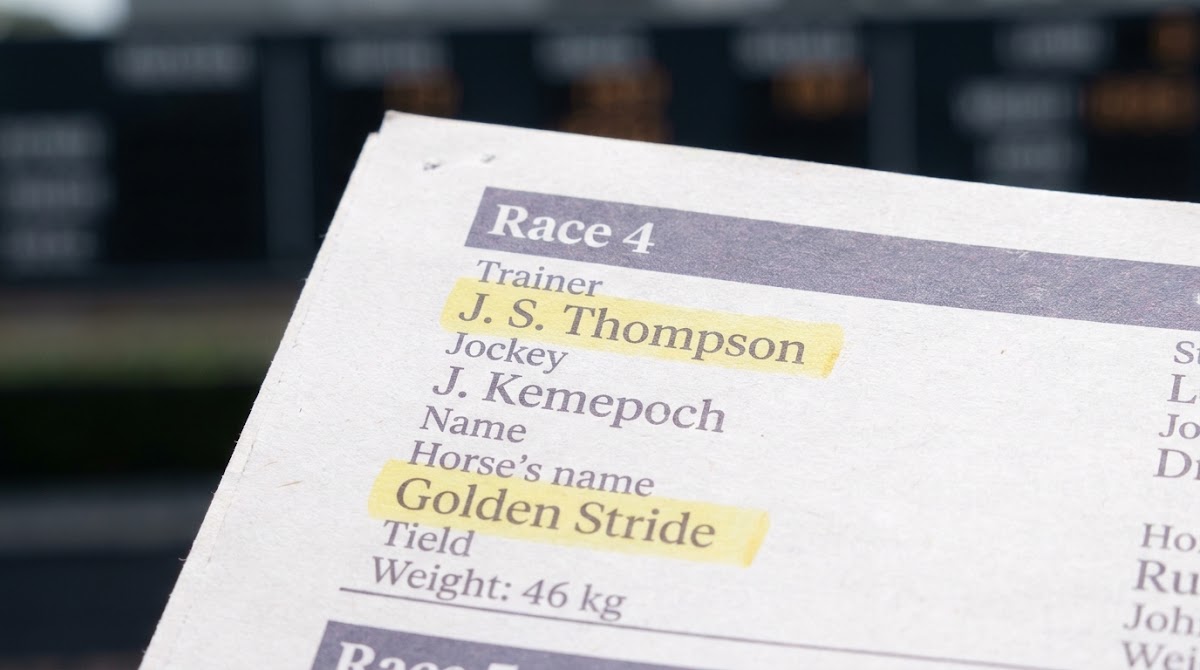
Start at the track's official entry list or the published race program for the card in question. The official entry list names horses, post positions, trainers, and initial declarations, and it is the primary source to confirm whether a Brad Cox trainer entry exists for the Derby you are investigating. If a name is not listed in the official program, it is not safe to treat any social post or tip as confirmation.
Next, review the morning line and program page for notes about the race. The program often includes intended jockeys and other operational notes that can help identify the correct horse. This step keeps you anchored to the official documentation rather than opinionated commentary.

Confirm entries with the official program
Check the official race program before acting on any pick, and use the program's trainer listing to confirm whether Brad Cox is shown for a specific horse.
Within the program or entry list, look for the trainer column and confirm that Brad Cox is the listed trainer for the horse in question. The trainer listing is an explicit field in most official programs, and it is the direct way to establish a trainer assignment. If the listing shows a different trainer, that is the authoritative record until an official change is posted.
Also note any jockey, equipment, or claiming conditions listed in the program. Those details can change and sometimes signal late decisions about running a horse, so take a screenshot or save the program page time stamped if you plan to rely on it later.
Step 3: Cross-check with reputable racing outlets and track notices
After confirming the entry in the official program, cross-check with the track's official notices, stewards' reports, or published charts for updates. Many tracks post scratch lists and steward statements that record late changes, and those documents are the secondary authoritative sources to confirm whether a named entry still stands at post time.
When you run this step by step checklist, you move from primary sources to confirmatory sources, which reduces the chance of acting on a mistaken social post or an unverified tip.
Key sources to consult when researching 'aqueduct picks cox' and horse assignments
Official track and racing authority sites
Primary confirmation always comes from the track website and the official race program. These documents list entries, trainer assignments, post positions, and official declarations. For anyone checking aqueduct picks cox, the track program is the legal and operational record you should consult first.
To name Brad Cox's Derby horse, verify the trainer assignment in the official race program and confirm with a track notice or stewards' report; do not rely on social posts or unverified picks.
Racing charts, stewards' reports, and program guides
After the program, stewards' reports and published charts provide the timeline of changes and the official record of what actually ran. Use these sources to verify late scratches, steward decisions, and any official notes that could alter which horse represents a trainer at the gate. Treat these documents as authoritative when they exist for the card you are researching. Also consider trainer profiles and analyses on sites like FanDuel.
Trainer and stable communications
If you need further confirmation, look for direct statements from a trainer or stable, such as press releases or official communications. When relying on a trainer statement to confirm an entry, prefer messages that come from the trainer's official channels or clearly attributable press notes rather than anonymous social posts.
Timing matters: entries, declarations, and late changes that affect 'Who is Brad Cox's horse in the Derby?'
When entries are finalized
Entries are typically published on a schedule set by the track and racing authority. Initial entries can be revised up to official declaration or scratch deadlines. Because of this, a program published one day may not reflect the final field at post time. If you are verifying Who is Brad Cox's horse in the Derby, pay attention to the publication time and any later declarations for the race.

How scratches and jockey changes are announced
Scratches, veterinary checks, and jockey changes are usually posted as separate notices and may appear in the stewards' report or on the track's official race status page. These late changes are what most often create discrepancies between social posts and the official record, so checking the track notices near post time is essential.
How to read last-minute official notices
Official notices will often include a timestamp and a brief explanation, such as veterinary scratch or rider change. Read the notice carefully to determine whether the change affects the trainer assignment or simply the jockey. Mark these notices in your research and prefer them over any unverified claims you encounter online.
Quick decision framework: when you can trust a claim that 'Brad Cox's horse is X in the Derby'
Minimum confirmation checklist
Use a short checklist before accepting a claim. Confirm the horse name in the official program, see the trainer field listing Brad Cox trainer for that horse, and find at least one authoritative track or regulator document that matches the program entry. Meeting these three steps is a reasonable threshold for trust.
Red flags that require further verification
Red flags include claims that come only from social media, unnamed tipsters, or aggregator pages without citation. If a post names a horse but cites no official program or track notice, treat it as an opinion rather than a confirmation. When in doubt, wait for the official program or stewards' report.
How confident to be when sources disagree
If the official program and a reputable track notice agree, confidence is high. If the program and secondary sources disagree, prioritize the most recent official track document or the stewards' report. In all cases, document the time and source of your confirmation before acting on the information.
How analysts and handicappers interpret trainer entries versus marketplaces tagged 'aqueduct picks cox'
Difference between an analytical pick and an official entry
Handicappers often label a selection with a trainer name to explain why they favor a horse, for example noting a Cox conditioned horse to emphasize style or stable form. That does not make the selection an official entry. An analytical pick is commentary and should be treated separately from verified information about Derby entries or official assignments.
quick verification checklist for trainer entries
Save timestamps for each source
How to use picks responsibly
Use an analyst pick as a starting point for further research rather than a final answer. If a pick suggests a Cox trained horse, follow the verification steps in this guide to confirm the entry in the official program and track notices before treating it as fact. See how Funded Plays evaluates picks.
Common mistakes to avoid when tracking 'aqueduct picks cox' and trainer-based claims
Mistaking opinion for official entry
A frequent error is to assume a popular pick is the same as an official entry. Aggregators and tip pages often recycle picks without checking the program. Always verify with the primary source before attributing a horse to a trainer in a factual context.
Not checking for late changes
Another common mistake is failing to check for scratches and last-minute changes. A horse can be entered in the morning and scratched before post time, so rely on final declarations and stewards' reports for the definitive record of who ran.
Relying on unverified aggregator pages
Aggregator pages can be useful for fast overviews but they may lag on updates or omit official notices. When you see a claim that Brad Cox has a Derby entry, cross-check the aggregator against the program and track notices before accepting the claim.
Practical scenarios: three example workflows to confirm Brad Cox's Derby horse
Scenario A: You see a social post claiming a Cox entry
If you encounter a social post asserting a Cox entry, pause and consult the official program first. Checklist: open the track's program, search the trainer column for Brad Cox trainer, and check for a timestamped track notice. If the program lists the horse with Cox as trainer and the track notice has no scratch, you can record that as confirmed.
Scenario B: You are building a betting ticket and need final confirmation
For a betting ticket or equivalent action, confirm the entry in the finalized program and then recheck the stewards' report or scratch list near post time. If you find a last minute change that affects your ticket, update your wager accordingly. Treat any unverified social claim as insufficient when money or account actions are involved.
Scenario C: You are compiling a list of entries for research
When compiling entries, collect the official program pages, note timestamps, and keep copies of any stewards' reports. For each horse you attribute to a trainer, keep a citation to the program page and the timestamp of your verification. This practice ensures that your research can be traced back to authoritative sources. For methodology, see the Funded Plays blog. For background on individual trainers, consult sources like Brad Cox's Wikipedia page.
Wrap-up: how to answer 'Who is Brad Cox's horse in the Derby?' responsibly
Short checklist recap
Recap the steps: consult the official race program, confirm the trainer field shows Brad Cox trainer for the horse, and cross-check with a track notice or stewards' report for any late changes. Use these three checks as your minimum standard for confirming who represents a stable in a Derby entry.
Next steps for readers who want a finalized, sourced answer
If you need a finalized named horse, follow the checklist in the hours before post time and save the official program or stewards' report page you relied on. When citing an entry publicly, include the program or track notice timestamp so others can verify your source. Responsible verification protects you from acting on a casual pick or an outdated post. Visit Funded Plays.
Check the official program when entries are published and again near post time to capture any scratches or last-minute declarations.
No, treat social picks as opinion; always verify trainer assignments using the official program or track notices before accepting them as fact.
The official race program or the track's official entry list is the primary source to confirm a trainer assignment and entry.
References
- https://sports.yahoo.com/articles/brad-cox-became-kentucky-derby-174057948.html
- https://www.fanduel.com/research/brad-h-cox-2026-kentucky-derby-trainer-profile
- https://en.wikipedia.org/wiki/Brad_H._Cox
- https://www.fundedplays.com/blogs/how-fundedplays-evaluations-work
- https://www.fundedplays.com/blogs
- https://www.fundedplays.com
- https://www.fundedplays.com/challenges