
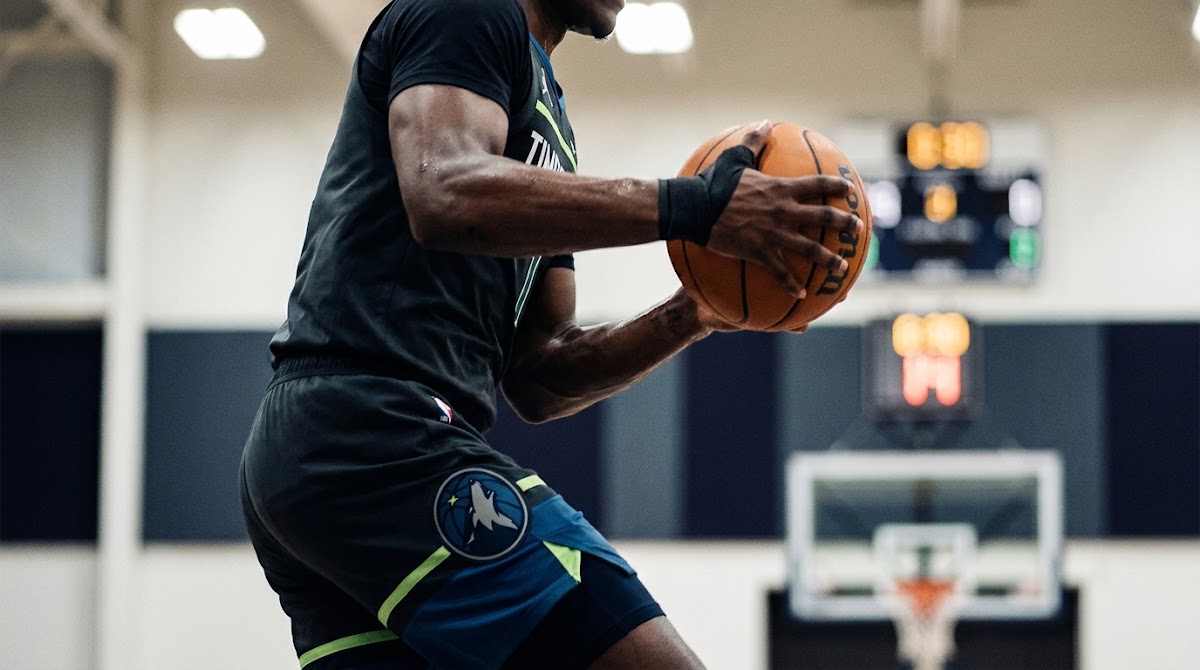
Quick answer: Where Anthony Edwards stands in trade-value terms
Short headline verdict (anthony edwards prop)
Short answer: Anthony Edwards ranks as a top-tier, near-franchise perimeter player whose acquisition price is likely to start at elite wing benchmarks and could rise toward superstar returns depending on timing and protections.
Edwards' status as an All-NBA selection reinforces his top-tier classification and makes him a high-demand asset on the market, a point documented in the league's All-NBA announcement.
NBA Communications announcement
Reality check, part one: Minnesota's multiyear extension with Edwards gives the Timberwolves control that pushes asking prices higher than for players in expiring deals.
Reality check, part two: Minnesota's deep postseason run in 2024 strengthened the team's negotiating stance and public perception that Edwards is a cornerstone-level piece.
Practice disciplined forecasting with FundedPlays
Read the scenario packages below to see how teams could structure offers that reflect these dynamics.

For context, the Mikal Bridges move in 2024 and the earlier Durant package provide concrete comparators that shape expectations about draft capital and blue-chip assets required.

Why Edwards' trade value matters right now
Why Edwards' trade value matters right now
How awards and playoffs change perceived value
Timing amplifies value for two reasons. First, awards and visible playoff performance change how buyers perceive both current impact and future upside; All-NBA recognition is a clear signal teams use when pricing a player.
NBA Communications announcement
Franchise control versus contract windows
Second, long-term contract control alters bargaining power. A multiyear extension means the seller is not pressured by an expiring deal and can demand more in negotiations, a dynamic that materially lifts the cost of acquisition.
Minnesota's 2024 postseason run also changes market psychology: teams that see Edwards as the missing piece must now decide whether to outbid rivals for an established core player, rather than target a shorter-term rental.
Put together, these forces mean that interested teams fall into a few practical buyer profiles: win-now contenders willing to part with high draft capital, cap-conscious clubs who seek protected assets and young talent, and long rebuilders who price in future draft value.
A simple framework teams use to calculate a star guard's trade value
On-court production and role fit
The first valuation pillar is measurable on-court production, including awards and playoff impact; All-NBA recognition is a primary shorthand clubs use to classify a player as top-tier rather than merely very good.
NBA Communications announcement
Contract terms and salary-cap math
The second pillar is contract control: how many guaranteed years remain, how the salary fits into a team's cap, and whether the acquiring club can match salaries under current rules. The 2024-25 salary cap baseline reshaped how teams think about matching max-level commitments.
NBA report on salary cap Also see coverage on the salary outlook in local reporting Star Tribune.
Organizational timeline and draft-pick valuation
The third pillar is organizational timeline: whether a team is building for immediate contention or stockpiling future value. Draft picks are valued differently by rebuilders and contenders, so a single package can appeal to one buyer profile but not another.
Put together, a qualitative guide teams use is: if performance is elite and contract control is long, expect multiple first-round selections plus at least one blue-chip young piece as the starting negotiation posture.
Anthony Edwards is a top-tier perimeter player whose trade price likely starts at elite-wing benchmarks-multiple first-round picks plus a blue-chip young player-and can rise toward superstar returns in rare, highly aligned scenarios.
Deciding which pillar matters most depends on the club: a contender prioritizes fit and immediate impact, while a rebuild values unprotected capital and timeline alignment.
Market benchmarks: trades that set public expectations
Why the Mikal Bridges deal matters as a recent baseline
Public trades create working benchmarks. The Knicks' 2024 acquisition of Mikal Bridges required a sizable draft haul and additional assets, which has since become a modern floor for elite two-way wing acquisitions.
What the Kevin Durant trade teaches about superstar price tags
Earlier superstar trades show the ceiling. The 2023 trade involving Kevin Durant returned multiple unprotected first-rounders, a pick swap and young players, illustrating the level of capital teams part with for a top-five league talent.
Limits of direct comparison are important: role, contract length and team context differ between these benchmarks and any hypothetical deal for Edwards, and protections can materially change the headline numbers.
What a realistic trade package for Anthony Edwards could look like
Baseline: near Bridges-level offer
Baseline scenario: a package that mirrors recent elite wing trades would likely include multiple first-round picks, at least one high-upside young player, and possibly a pick swap or protections to reduce immediate risk for the seller. That mirrors contemporary market precedent for two-way perimeter pieces.


High-end: superstar package scenario
High-end scenario: if a buying team is prepared to chase a cornerstone-level upgrade, packages approach the superstar benchmark that returned multiple unprotected first-rounders plus young core players in past blockbuster trades. Those outcomes are rarer and require a matching of timeline and cap willingness from both sides.
How pick protections and young players change the price
Negotiation levers matter: protections can lower headline pick cost but lengthen the effective timeline for the seller, inclusion of ascending young players lowers the pick requirement, and swap rights provide flexible value. Minnesota's multiyear control over Edwards makes them less likely to accept speculative long-shot offers.
Salary-cap matching, timing and other practical constraints
How the 2024-25 salary cap baseline affects matching (and why it matters)
The 2024-25 salary cap baseline changed matching calculus for max-level contracts and affects which teams can realistically absorb or exchange salary without incurring prohibitive tax consequences.
NBA report on salary cap and further analysis is available in national coverage SI.
Timing windows: trade deadline, offseason, and extension implications
Timing is a decisive constraint. A deal near the trade deadline favors buyers with immediate contending windows, while offseason trades allow for deeper front-office work and negotiated protections. Minnesota's extension with Edwards reduces the urgency for the seller to move him, which often raises the asking price.
Practical roster constraints also include luxury-tax planning, roster spot management and the need to match salaries under league rules; these realities mean only a subset of teams are realistically positioned to assemble the necessary assets.
Common negotiation mistakes and what can derail a high-value trade
Overpaying for fit or narrative over assets
One common error is letting narrative or perceived fit drive offers past reasonable asset value, prompting buyers to overpay and sellers to demand still more once talks start.
Playoff momentum can skew expectations; sellers coming off deep runs tend to ask for more than a cold-market valuation would imply.
quick negotiation readiness worksheet
Use this to frame realistic opening offers
Ignoring pick protections and long-term cost
Another mistake is ignoring the long-term cost of protections; a seemingly small protection can lengthen the effective exchange period and undermine immediate roster goals for the buyer.
Underestimating the seller's leverage after playoff success
Teams often underestimate how much leverage sellers gain after a playoff run, and that can cause buyers to present weak one-off proposals rather than structured, conditional packages that preserve future optionality.
How to read trade chatter and sensible next steps for fans
Signals that a true trade market exists
Credible signals include consistent reporting of front-office contact, clarity on protections versus unprotected picks, and the timing of discussions around trade deadlines or after playoff exits; these indicators separate rumors from actionable markets.
Remember that public chatter often omits contract-control details that make or break a deal.
Questions to ask when you see a proposed package
When evaluating a proposed package, ask whether the picks are protected, whether any young players are ascending, and how the salaries match under current cap rules; those three details determine feasibility and true value.
Keep in mind Minnesota's contract extension and Edwards' All-NBA status when judging headline numbers, as both raise the realistic asking price.
For broader context and coverage from national outlets, see reporting such as Yahoo Sports.
Final takeaway and realistic expectations
Bottom line: expect a baseline that resembles recent elite wing trades-multiple first-round picks plus at least one blue-chip young player-as the starting floor, and treat superstar-level returns as a rare ceiling scenario that requires exceptional alignment.
Visit Funded Plays to explore tools and guides about valuing trade packages, or read how we evaluate packages in detail at our evaluation guide.
A realistic starting point is multiple first-round picks plus at least one high-upside young player, with higher returns possible in rare superstar-level scenarios.
Yes, a multiyear extension gives Minnesota leverage and reduces urgency to move him, which typically raises the asking price.
Check for consistent front-office reporting, concrete protections on picks, and timing around deadlines; those signals increase credibility.