
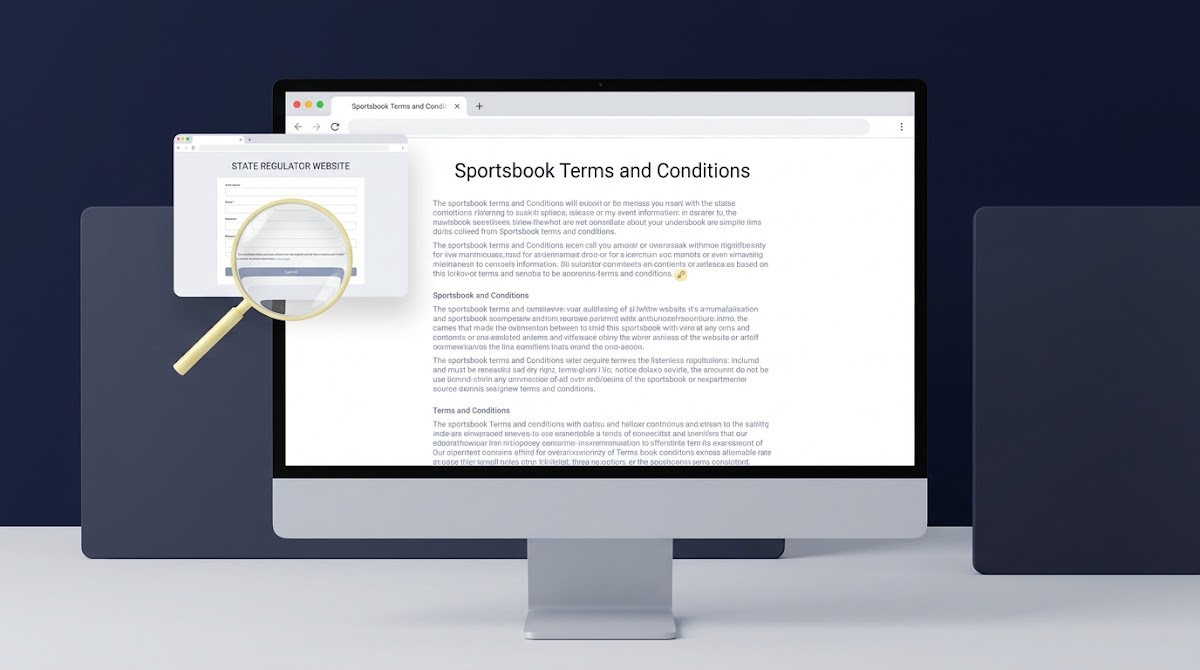
Quick answer: Is americas cardroom sportsbook legit?
Short answer: Americas Cardroom operates as an offshore betting platform that publishes sportsbook rules and identity verification steps, but it is not listed on U.S. state license rolls as a state licensed U.S. sportsbook. That distinction matters because U.S. consumers generally get the clearest legal protections and formal recourse only from operators licensed in their state, so using an unlicensed site carries added regulatory and recovery risk AGA State of the States.
The rest of this article walks through the practical checks you can run in minutes, what recent enforcement actions mean for users, and how Americas Cardroom’s public materials compare to the expectations for state-licensed operators. Use these steps to make a reasoned decision based on your personal risk tolerance and need for reliable fund access.
Americas Cardroom publishes sportsbook rules and KYC procedures but is not listed on U.S. state license rolls; this offshore status increases regulatory and recovery risk for U.S. users, so verify state licensure, site security, and withdrawal terms before depositing.
Why this matters: if you need fast, guaranteed access to funds and formal dispute resolution channels, state licensing is the primary signal to prioritize. If you accept higher recovery risk for other features, the checklist below shows which controls to verify before creating an account and depositing money.
Why U.S. state licensure matters for sportsbooks
State licensure is the central legitimacy signal for sportsbooks in the United States because state regulators set and enforce consumer protections, meaningful dispute resolution processes, and responsible gaming requirements. The commercial industry’s aggregate reporting and regulator guidance repeatedly place state-licensed operators at the center of lawful consumer options in the U.S. market AGA State of the States.
Licensed operators typically must meet ongoing compliance obligations such as audits, transparent terms, verified geolocation, and standards for handling customer funds. Those requirements create practical protections that are absent when a site operates from outside U.S. jurisdiction. For consumers, the difference is not just theory: it affects where you can file a formal complaint, what remedies a regulator can pursue, and whether a neutral enforcement authority can compel an operator to act.
Recent enforcement that shows the risk of offshore sportsbooks
Regulators have signaled an active effort to limit offshore operators serving U.S. customers. In 2024, enforcement actions including cease and desist orders against a high-profile offshore operator demonstrated that states will publicly act when they identify unlicensed activity, a trend that increases uncertainty for users of offshore books Michigan Gaming Control Board press release.
Those state actions were followed by additional notices from other jurisdictions, illustrating that regulators are coordinating public enforcement and consumer warnings. Because these measures target operators that are not on state license rolls, they serve as a real-world reminder that regulatory exposure can change an operator’s ability to serve U.S. customers and affect customers’ access to funds.
Quickly confirm license status using public regulator resources
Start with the regulator site in the user state
Practically, these enforcement steps mean a user who relies on an offshore site faces a higher chance of interrupted service, limited recourse, or slower dispute outcomes should a licensing fight or regulatory action affect the operator.
A practical legitimacy checklist you can run in 10 minutes
Step 1, License and jurisdiction. First, check official state regulator license rolls to see whether an operator is authorized to accept bets from residents where you live. The AGA and state regulator pages are the right places to confirm whether a brand appears on official lists rather than trusting marketing pages or third-party reviews AGA State of the States.
Step 2, Site security and KYC. Confirm the site uses HTTPS, shows valid certificate details in your browser, and publishes clear KYC and AML procedures. A professionally run sportsbook will explain identity verification steps before you register and will show geolocation controls to restrict ineligible states.
Step 3, Payments and withdrawal terms. Check accepted payment rails, whether the operator supports traceable bank or card rails, and read the withdrawal section for explicit timelines and fees. If wording is vague, treat that as a red flag and consider contacting support for clarification before depositing. For offshore operators especially, documented withdrawal timelines and defined dispute procedures matter more because state regulator enforcement may not apply to the operator’s jurisdiction Legal Sports Report offshore guide.
Technical security and account controls to verify
First check HTTPS and certificate details. Click the padlock in your browser to view the certificate issuer and validity period; a valid certificate does not prove regulatory compliance, but it is a basic hygiene check that indicates proper site operations. If a site lacks HTTPS, do not proceed with account creation or payments.
Geolocation controls. A licensed U.S. sportsbook will typically enforce state restrictions through geolocation software and disclose how location is verified. If the operator does not describe geolocation enforcement or provides unclear guidance on IP or GPS checks, assume the site may not be enforcing state boundaries consistently.

Identity verification and KYC expectations. Legitimate operators publish a clear KYC process, examples of acceptable ID, and the steps for resolving identity holds. Americas Cardroom publishes terms about identity verification on its site, which is useful to read as part of your checklist; however, publication of verification rules alone does not equate to state licensure Americas Cardroom sportsbook rules.
Payments, withdrawals, and dispute processes to check

Common payment rails among offshore sites include cryptocurrency, third-party processors, and, less often, bank wires or cards. Crypto can offer speed but has recovery limitations. For U.S. customers, prefer traceable rails and documented refund or reversal policies when possible. When payment options are opaque, prioritize caution Legal Sports Report offshore guide.
How to read withdrawal terms. Look for explicit timelines, conditions that trigger holds, maximum processing windows, and whether identity verification is required before a first withdrawal. Note any conditional language such as "subject to review" or "at our discretion" because those clauses often create friction in disputes.
Escalation paths if a payout is delayed. Collect transaction IDs, timestamps, screenshots of terms, and your support ticket number. For state-licensed operators, you can contact the state regulator if the operator fails to respond; for offshore operators, regulators in the U.S. may have limited leverage, so documentation becomes critical if you pursue chargebacks or talk to payment providers.
How americas cardroom sportsbook matches the checklist
Americas Cardroom publishes sportsbook rules, terms, and identity verification requirements on its public pages, which helps users understand the operator’s stated procedures. That transparency is useful for consumers doing a first pass on compliance and KYC. The operator’s published materials are a starting point when assessing technical and procedural controls Americas Cardroom sportsbook rules.
However, public terms do not substitute for state licensure. Available public records and official state license rolls do not list Americas Cardroom as a state-licensed U.S. sportsbook, which indicates the operator functions outside U.S. licensing frameworks. That gap matters because it changes where you can file formal complaints and what protections a regulator can require.
Check licenses and confirmation steps on the FundedPlays Challenges page
Run the checklist above and confirm whether an operator appears on your state regulator’s license roll before depositing funds.
Practical interpretation: if your primary concern is rapid, guaranteed access to funds and formal regulatory recourse, an operator that is not state-licensed carries higher user-side risk. If you still choose to proceed, document everything and use conservative deposit limits so you can test withdrawals and support responsiveness before increasing exposure.
A decision framework: factors to weigh before you use an offshore sportsbook
Start by ranking three priorities: 1) need for guaranteed, rapid access to funds, 2) tolerance for regulatory uncertainty, and 3) desire for specific features or markets that might not be available through licensed books. If guaranteed access to funds ranks highest, prefer only state-licensed operators because they offer clearer regulatory recourse.
Consider legal exposure. U.S. regulators emphasize state licensure for lawful consumer choices, so weigh whether you are comfortable using a service that operates from outside U.S. jurisdiction. For many users the practical risk is not criminal liability but limited options to compel an operator to resolve disputes or return funds promptly.
Finally, build a fallback plan before you deposit: limit initial deposits, choose traceable payment rails, and plan for documentation steps if a withdrawal is delayed. That approach reduces downside if an offshore operator changes terms or faces enforcement pressure.
Common mistakes and red flags people miss
Assuming published terms guarantee payouts. Many users read a site’s payout language and assume it is enforceable in the same way as state-backed rules; in practice, published terms are only as effective as the operator’s willingness and ability to comply, and enforcement differs outside state oversight Legal Sports Report offshore guide.
Skipping regulator and payment checks. Users often trust marketing claims instead of searching state license rolls and regulator notices. A quick search of the regulator site in your state will confirm whether an operator is authorized to accept bets from residents.
Ignoring small conditional clauses in withdrawal terms. Phrases such as "subject to review" or "verification required" can be routine, but they are also the clauses that create delays and disputes. If the timeline language is vague, contact support before depositing to document their response.
Practical scenarios: choose the right response for your situation
Scenario A, you need fast, reliable withdrawals. If you need rapid access to funds, select a state-licensed operator in your state and use bank or card rails that support chargebacks or regulated dispute mechanisms. If an offshore operator is your only option, keep deposits minimal until you successfully verify a withdrawal.
Scenario B, you value specific offers or markets more than state protections. Some users accept higher risk to access particular markets or promotional structures. If you fall into this group, accept that recovery options are limited and document every interaction, then test withdrawals on a small scale before increasing funds.
In both scenarios, set clear red lines that trigger account closure such as repeated unexplained withdrawal delays, unresponsive support, or terms that change retroactively to limit payouts.
How to document issues and where to file complaints
Before contacting support, gather screenshots of the terms at the time of deposit, transaction IDs, timestamps, chat logs or email exchanges, and copies of any required identity documents you submitted. These records are essential when asking payment providers or regulators to review a case.
If the operator is state-licensed, file a complaint with the relevant state gaming regulator and include your documentation. If the operator is offshore, note that U.S. state regulators may have limited jurisdiction; your options then include contacting your payment provider about chargebacks and keeping records for any future claims or public complaints.
Safer alternatives and precautions if you choose to proceed
Prefer state-licensed operators when possible. For most users, the combination of state oversight, formal complaint processes, and regulated payment handling provides stronger protections than offshore alternatives.
If you still consider an offshore site, use traceable payment methods, keep initial deposits small, and confirm a first successful withdrawal before increasing exposure. These precautions reduce the risk of large, irrecoverable losses if a dispute arises.
Remember that precautions reduce but do not remove the regulatory differences inherent in using an operator that is not licensed in your state.
Where to check licensing and operator history
Start with your state gaming regulator’s website and search their license rolls and public enforcement notices. State boards often publish press releases and enforcement actions that name operators and explain the regulator’s position, which is the primary authoritative source for license status.
The American Gaming Association’s State of the States report is a useful industry overview for context and to verify how state markets are structured. To check specific enforcement actions, search regulator press pages for cease and desist orders and public warnings that mention the operator you are researching Colorado Division of Gaming notice.
Summary checklist and next steps
Recap: The clearest legitimacy signal for U.S. consumers is state licensure. Americas Cardroom publishes sportsbook rules and identity verification steps, which is a transparency positive, but it is not listed on state license rolls as a state-licensed U.S. sportsbook. That gap means consumers should weigh the higher regulatory and recovery risk when using the operator Americas Cardroom sportsbook rules.
Immediate checklist you can run now: 1) Search your state regulator license roll for the operator name, 2) confirm HTTPS and visible certificate details, 3) read withdrawal terms for explicit timelines and conditions, 4) prefer traceable payment rails and test a small withdrawal, and 5) document all communications and transaction IDs before escalating a dispute. If your checks raise concerns, do not deposit more than you can afford to lose.
Final caution: using offshore sportsbooks carries greater regulatory and recovery risk for U.S. consumers. Make decisions based on clear priorities, conservative deposit sizes, and careful documentation.

Public state license rolls do not list americas cardroom sportsbook as a state-licensed U.S. operator, so it appears to function from outside U.S. state licensing frameworks.
Check your state regulator license roll, confirm HTTPS and KYC procedures, read withdrawal timelines, and test a small withdrawal using a traceable payment method.
U.S. state regulators generally have limited reach over offshore operators; recovery depends on the operator’s payment rails, cooperation, and any agreements with payment providers.
References
- https://www.americangaming.org/resources/state-of-the-states-2024/
- https://www.michigan.gov/mgcb/news/press-releases/2024/06/20/mgcb-orders-bovada-to-cease-illegal-operations-in-michigan
- https://www.legalsportsreport.com/offshore-sportsbooks/
- https://www.americascardroom.eu/terms-and-conditions/
- https://sbg.colorado.gov/press-release/colorado-division-of-gaming-issues-cease-and-desist-to-bovada
- https://www.fundedplays.com/challenges
- https://www.fundedplays.com
- https://www.fundedplays.com/blogs
- https://www.fundedplays.com/blogs/how-fundedplays-evaluations-work