
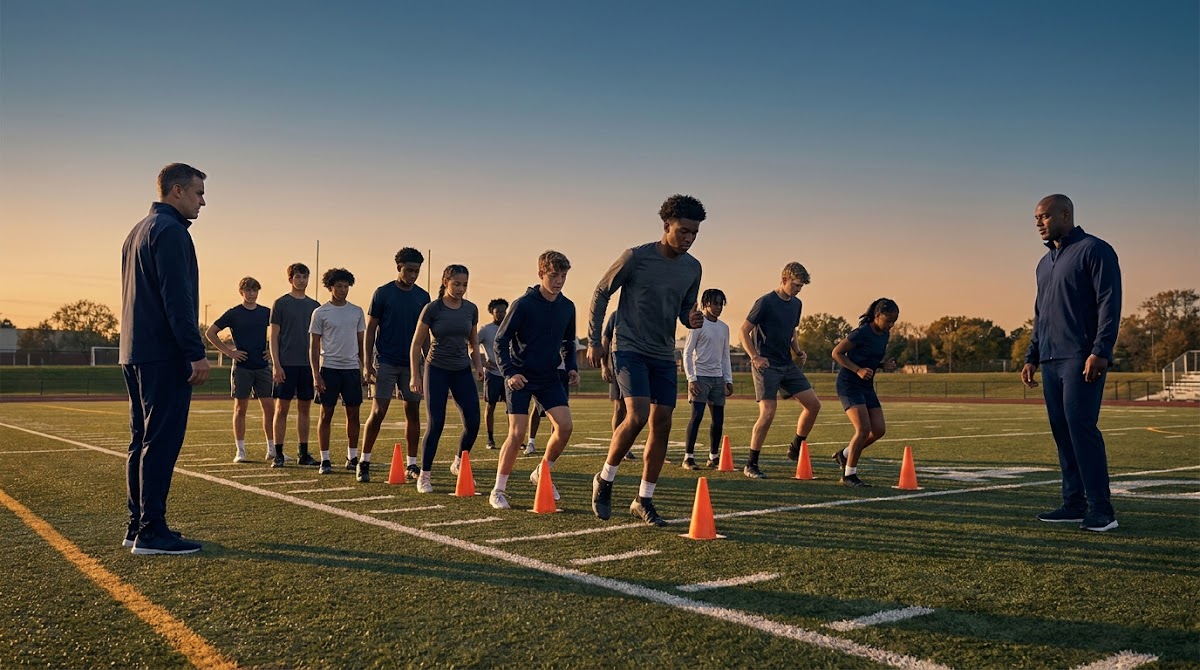
Quick start: What improving at American football really requires
Who this guide is for (american football tips)
Getting better at the game means training four things together: technique, physical conditioning, tactical awareness, and consistent practice. This article focuses on practical american football tips that help players and coaches plan steady progress while keeping safety and rules compliance central to every decision.
Long-term athletic development and practice consistency are core themes: slow, stage-appropriate progressions win over short-term spikes that raise injury risk. The importance of stage-appropriate progressions is supported by recognized development frameworks, which guide how much volume and intensity to add as athletes mature NSCA position statement on long-term athletic development.
Track simple test metrics to monitor weekly progress
Use baseline and weekly updates
The practical steps in this piece assume you will check key measures, keep a written plan, and adjust based on objective tests and coach oversight. Use the checklist above or a spreadsheet to log sprint and jump numbers each week and to make small, evidence-aligned changes as you progress.
What 'getting really good' means: definitions and context
Performance domains: technical, physical, tactical, psychological
Improvement is measurable in separate but linked domains. Technical skills cover how you block, tackle, route-run, or catch. Physical performance covers speed, power, and change-of-direction. Tactical skills include reading coverages, timing, and decision-making. Psychological readiness covers focus, resilience, and the ability to execute under pressure.

Stage-appropriate progression is central: younger athletes benefit from generalized movement and fundamental skill work while older players move toward position-specific load and power development. That approach aligns with long-term athletic development principles used by strength and conditioning authorities NSCA position statement on long-term athletic development. See the Funded Plays blog for related discussions.
Age and stage considerations
Be explicit about goals within each stage. For youth, focus on movement variety and basic ball skills; for high school, add planned strength and power blocks; for college and adult recreational play, emphasize sport-ready conditioning, contact technique, and tactical repetition. Because position-specific randomized trials are limited, adapt plans and monitor the athlete rather than assuming one-size-fits-all prescriptions.

Safety first: concussion protocols, rule constraints, and coaching responsibilities
Stepwise return-to-sport after concussion
Any athlete with a head injury must follow a stepwise, healthcare-supervised return-to-sport progression and obtain medical clearance before resuming full contact or games. This requirement is the baseline for planning practice exposure and is reflected in national guidance on returning to sport after concussion CDC HEADS UP returning to sports guidance.
Adopt a safety-first, data-driven routine: baseline testing, stage-appropriate strength and plyometrics, and coach-led technique checkpoints before adding live contact.
Coaches and program leaders should build their practice schedules assuming injured players will be withheld from contact until cleared. That affects who can participate in live drills, how many players are available for scrimmage, and what skill sets can be trained safely in the meantime.
2024 high school rule changes on helmet contact

High school rules clarified that blocking and tackling must not initiate contact with the helmet, which changes how coaches teach contact mechanics. Teaching shoulder-led tackling and legal blocking that avoid helmet-first contact is a practical coaching obligation under the updated guidance NFHS rule clarification on blocking and tackling.
How safety rules shape practice and contact drills
At collegiate levels, programs are required to maintain written concussion safety protocols with graduated return-to-sport steps and physician oversight, and those protocols shape how much contact can be scheduled and who may participate in live reps NCAA concussion safety protocol checklist. See also the NCAA guidance on concussion safety and management here.
Practical implication: design drills that build contact skills without heading into full-speed, high-impact collisions until technique is proven and medical clearance is given. Use staged progressions that separate technical repetition from full contact exposure.
Core technical skills and how to coach them safely
Tackling and blocking: shoulder-led mechanics
The primary coaching priority for any contact drill is to eliminate helmet-first contact. Teach shoulder-led tackling in clear phases: approach and control, hit zone and wrap, and drive-out with the shoulder as the primary contact point. Drills should remove full impact until the athlete demonstrates consistent mechanics in rehearsal and near-contact progressions NFHS rule clarification on blocking and tackling.
Progressions work best when they begin with slow, cue-led repetitions, then add resistance or speed in measured steps. For example, shadow tackling patterns, partner-controlled contact with protective shields, and finally coached live reps only after repeated clean technique is observed.
Ball skills: catching and ball security
Catching drills should progress from stationary to moving, then to contested catches with an emphasis on secure hand patterns and secondary protection of the ball into contact. Ball-security work pairs well with controlled contact drills that do not involve helmet-first collisions and instead emphasize securing the ball while absorbing force with the body.
Keep sessions short and highly focused when practicing contested catching. Repeat controlled fall drills and tackle-avoidance drills that emphasize protecting the ball during and after contact, and check technique with slow-motion video where possible.
Footwork, stance and change of direction basics
Footwork is the bridge between technical and physical progress. Use ladder drills, short shuttle patterns, and first-step reaction exercises that are low risk and high transfer to the field. These drills build the agility and balance that improve both offensive and defensive maneuvers without adding unnecessary contact.
Combine footwork practice with controlled challenging scenarios, such as 1v1 angle drills that limit impact but force players to change direction under realistic constraints. Keep repetitions deliberate and measure key outputs like time to first step or change-of-direction times to track improvement.
Building physical performance: a 6- to 8-week evidence-based block
Why plyometrics plus progressive strength work
Plyometric jump training done alongside progressive strength work over 6 to 8 weeks produces measurable improvements in sprinting, jumping, and change-of-direction performance in field-sport athletes, and this combination forms the backbone of a short performance block umbrella review on plyometric jump training.
Design the block so strength sessions build force capacity while plyometrics increase the neuromuscular speed of force expression. Keep plyometric volumes moderate and pair high-intensity efforts with full recovery to limit injury risk and maximize adaptation.
Sample weekly microcycle and progression
A practical microcycle for the 6- to 8-week block includes two strength days, two power or plyometric sessions, one or two technical or tactical skill days, and two recovery or active-rest days. Strength sessions should progress from general to more football-specific movements over the block.
Example progression: week 1 to week 3 emphasize movement patterns and hypertrophy foundations; week 4 to week 6 increase load and focus on heavy strength lifts and higher-intensity plyometrics; week 7 to week 8 shift toward sport-specific power and speed work, reducing volume to peak transfer to the field.
Monitoring with standard field tests
Use timed sprints, countermovement or vertical jump tests, and change-of-direction tests to monitor progress and adjust load. Small but consistent improvements in these measures indicate the program is producing transfer; plateaus suggest a need for recovery or variation. Keep testing cadence predictable, for example baseline, mid-block, and end-block testing, and compare changes to individual history rather than arbitrary thresholds ACSM guidelines for exercise testing and prescription.
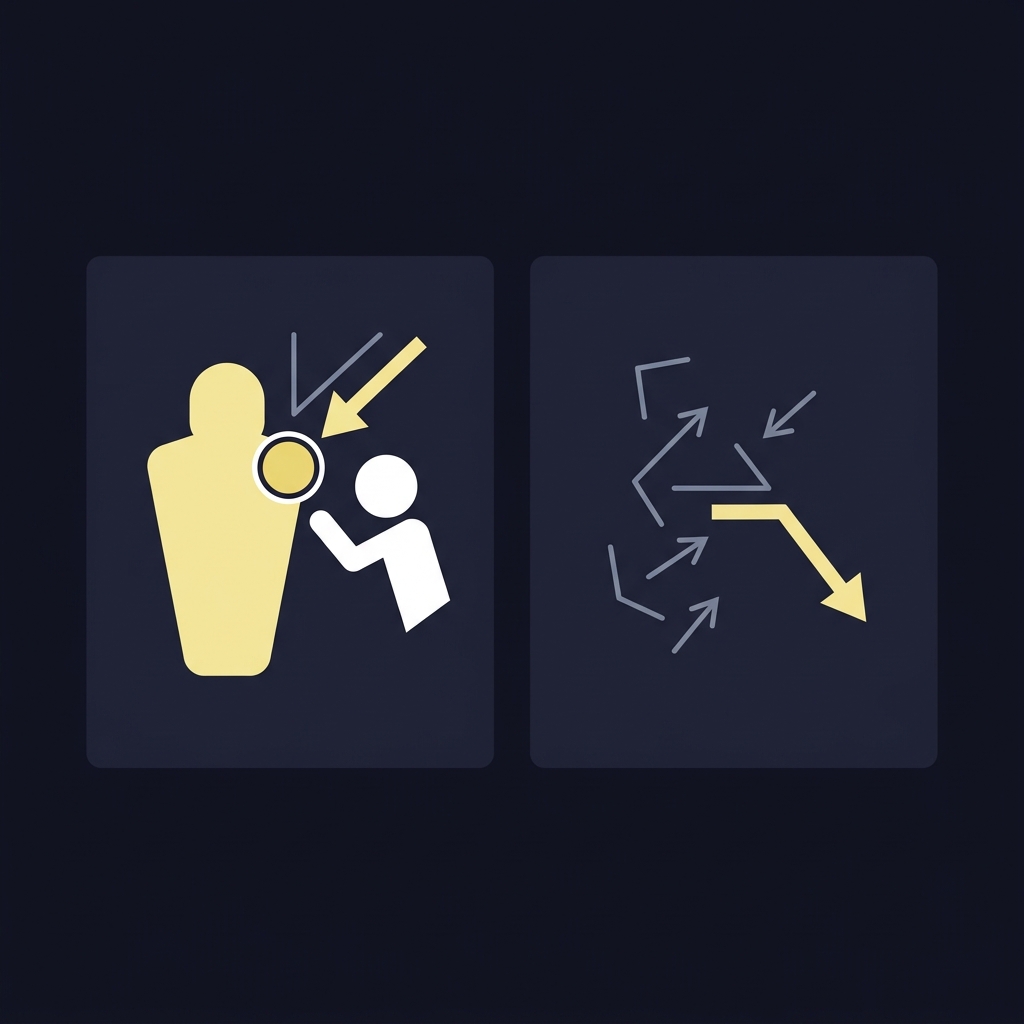
Document all test results and pair them with perceived fatigue and session RPE so coaches can calibrate weekly load and contact exposure to reduce injury risk while encouraging steady performance gains.
Position-specific progressions: tailoring drills for skill roles
Skill emphasis by position group
Translate general progressions into role-specific priorities. For receivers, prioritize route-running mechanics, acceleration, and contested-catching drills with controlled contact. Defensive backs should combine backpedal speed work with hip-turn drills and ball-play reaction tasks. Linebackers and linemen need more emphasis on short-area power, shedding, and technically legal blocking mechanics that avoid helmet-first contact.
Volume and intensity decisions should reflect positional demands but not ignore universal needs like footwork and strength. Pair position work with measured strength and plyometric sessions so players develop the underlying physical qualities needed for their role. Learn more about Funded Plays evaluations at this page.
Scaling drills for age and competitive level
Scale drills by reducing speed, limiting live contact, and shortening sessions for younger athletes. Older, more developed players can tolerate higher intensity and more complex, near-live scenarios, but they must still follow medical clearances and staged progressions for contact. The stage-appropriate scaling principle comes from long-term development frameworks and helps avoid overload during critical growth periods NSCA position statement on long-term athletic development.
When in doubt, prioritize quality of repetitions over quantity. A youth receiver who runs 10 crisp, technically perfect routes at 80 percent speed will gain more transferable skill than 30 rushed attempts at full speed without coaching feedback.
Get challenge-based practice templates and weekly testing guides
Sign up for concise, challenge-based practice templates and a monthly email with adaptable drills and testing checklists to help you apply these progressions safely and consistently.
When to integrate contact and live reps
Integrate contact only after athletes have demonstrated consistent technique in controlled progressions and after medical clearance where required. Start with limited-intensity, coached contact, then increase intensity and complexity over multiple sessions. The exact timing depends on individual readiness and the program's written return-to-play rules, so use objective tests and technique checklists to decide when to advance.
Because position-specific randomized evidence is limited, track each athlete's response to increased load and adjust the mix of resisted sprints, plyometrics, and skill work based on measured outcomes rather than fixed assumptions umbrella review on plyometric jump training.
Practice design, periodization and managing contact exposure
Weekly and seasonal planning
Use simple periodization: off-season blocks focused on foundation strength and power, pre-season blocks that add sport-specific speed and tactical work, and in-season maintenance that reduces volume while preserving intensity and testing cadence. Keep plans simple and repeatable so players and coaches can follow them consistently across the season.
An example weekly layout in-season might include two short, high-quality technical sessions, one heavier strength or power session, one controlled-contact day, and at least two active recovery sessions. Off-season volume and session length increase but should incorporate progressive deloads to avoid chronic fatigue and overuse injuries.
Rules-driven limits on full contact
Written concussion protocols and physician oversight directly affect allowable contact. Programs need to define how many full-contact reps are acceptable per week, who may participate, and how to substitute players without forcing potentially injured athletes into unsafe situations. Follow institutional and jurisdictional rules and have a medical point person sign off on contact progressions NCAA concussion safety protocol checklist.
In practice design, separate technical competence work from contact exposure. Keep high-intensity contact sessions isolated and preceded by fresh recovery days when possible, and schedule lighter skill sessions after matches or heavy contact days to facilitate active recovery.
Recovery, load monitoring and testing cadence
Monitor both objective test data and subjective measures such as sleep, soreness, and session RPE. Adjust contact exposure when players show signs of accumulated fatigue or when performance on standard tests dips. A predictable testing cadence-baseline, mid-block, end-block-helps identify changes linked to training load rather than random variation CDC HEADS UP returning to sports guidance.
Simple load-tracking like daily session notes and weekly sprint or jump test logs will help coaches make defensible decisions about when to scale back contact or add recovery without guessing.
Common mistakes and training pitfalls to avoid
Ignoring return-to-play rules
Returning to full contact without medical clearance is dangerous and undermines long-term availability. Always follow a healthcare-supervised, staged return-to-sport process and do not shortcut medical steps for short-term competitive advantage CDC HEADS UP returning to sports guidance. See research on compliance here.
Relying on high-contact scrimmages too early
Too much early live contact teaches poor technique and increases injury risk. Use technical progressions and controlled contact first, then move to higher-intensity scrimmage only when technique and conditioning metrics support it.
Overemphasizing single drills instead of integrated training
Focusing on one drill in isolation can produce narrow gains that do not transfer to game situations. Integrate strength, plyometrics, and skill work so improvements in speed and power have direct tactical application in realistic scenarios.
Practical examples: sample 6-week block and two scaled practice weeks
Sample 6-week physical block aligned with plyometrics and strength
Weeks 1-2: movement foundation and motor learning, two strength sessions at moderate load, two plyometric sessions focusing on technique, three short technical days. Weeks 3-4: increase strength load and plyometric intensity, add resisted sprints. Weeks 5-6: emphasis on power and speed, reduce volume and peak for transfer to sport-specific drills. Throughout, avoid high-intensity contact until technique checks are passed.
Pair this block with objective testing at baseline, after week 3, and at week 6 to judge transfer. Use the change in sprint and jump measures to guide the next block and adjust plyometric volume or strength intensity as needed umbrella review on plyometric jump training.
Sample in-season and off-season weekly practice outlines
In-season week: Monday light skill and recovery, Tuesday strength or power, Wednesday tactical walk-through, Thursday controlled-contact session, Friday activation and film review, Saturday game day, Sunday recovery. Off-season week: three strength days, two plyometric or speed sessions, two technical days, one active recovery day. Adjust volume for age and competition level.
For youth athletes, reduce session length, lower contact intensity, and increase technical variety. For high school and adult players, increase specificity and intensity while maintaining recovery and periodic testing ACSM guidelines for exercise testing and prescription.
How to adapt templates for youth vs high school vs adult players
Younger athletes need slower progressions, more movement diversity, and less weekly load. High school athletes can accept moderate increases in strength and plyometrics if monitored. Adult recreational players should focus on preserving movement quality and managing recovery to stay available for practice and games.
When adapting, always check that drills follow helmet-contact rules and that any contact progression is cleared by a coach or medical professional as required by local policy.
Wrap-up: next steps, measurement and responsible progression
Key takeaways
Start with a safety-first plan: follow medical clearance after concussion, teach shoulder-led contact mechanics, and use staged progressions that pair strength with plyometrics for short performance blocks. Test consistently and let objective data guide contact exposure and progression. Visit Funded Plays for more resources.
Simple starter checklist
1) Get baseline tests: timed sprints and vertical jump. 2) Begin a 6- to 8-week block that pairs progressive strength with plyometrics. 3) Use technique checkpoints before adding live contact and follow medical clearance rules where applicable.
These steps create a repeatable framework to improve while protecting players and preserving long-term availability NSCA position statement on long-term athletic development.
A player must follow a stepwise, healthcare-supervised return-to-sport progression and receive medical clearance before returning to full contact or competition.
Plyometric training can be safe when volumes and intensities are scaled to the athlete's stage and paired with progressive strength work and coach oversight.
A common cadence is baseline, mid-block and end-block testing, with additional checks when load or contact exposure changes.
References
- https://www.nsca.com/education/articles/position-statements/long-term-athletic-development/
- https://www.fundedplays.com/challenges
- https://www.cdc.gov/heads-up/guidelines/returning-to-sports.html
- https://www.nfhs.org/articles/blocking-tackling-and-use-of-helmet-clarified-in-high-school-football-rules/
- https://www.ncaa.org/sports/2016/7/20/concussion-safety-protocol-checklist.aspx
- https://link.springer.com/article/10.1007/s40279-022-01622-9
- https://www.acsm.org/publications/acsm-guidelines-for-exercise-testing-and-prescription
- https://www.fundedplays.com
- https://www.fundedplays.com/blogs
- https://www.fundedplays.com/blogs/how-fundedplays-evaluations-work
- https://www.ncaa.org/what-we-do/health-safety-and-performance/concussion-safety-and-management/
- https://pmc.ncbi.nlm.nih.gov/articles/PMC6833948/