
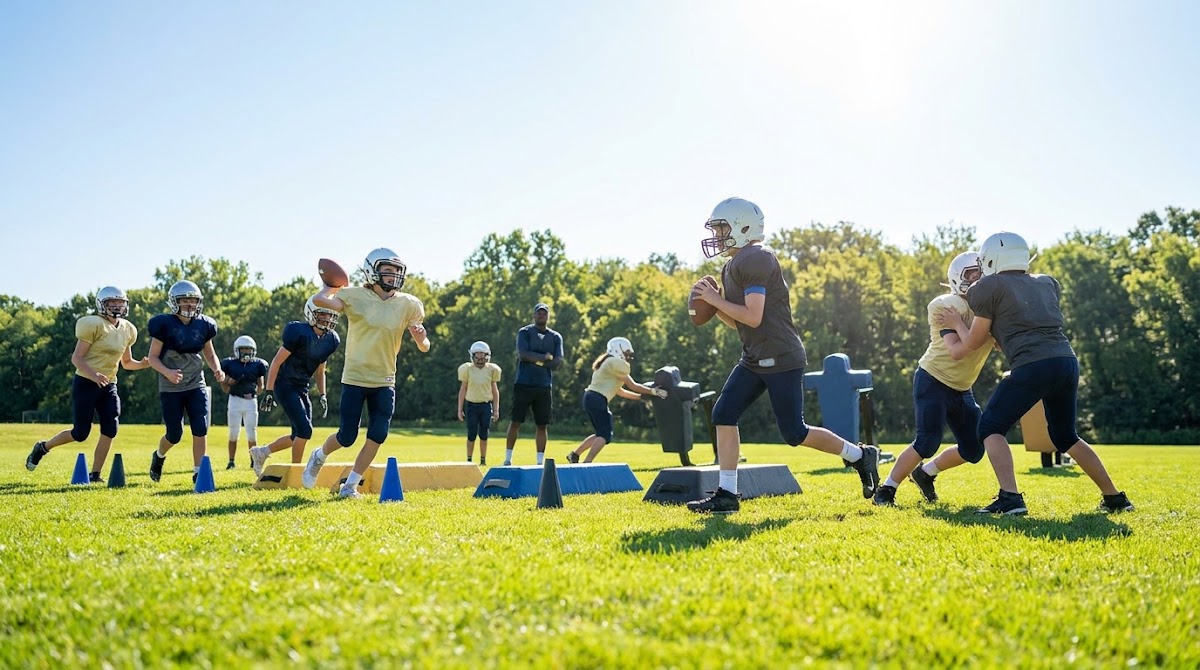
What "best position" really means in American football
How roles differ across offense, defense, and special teams, american football tips
When players ask what the best position to play is, they often mean different things. Some want the position that gives the most playing time, some want the role that highlights their athletic gifts, and others want the spot most likely to lead to long term development or college recruitment. Clarifying what someone means by best is the first step toward a useful decision.
The term best position is not universal. It depends on your physical traits, your skill set, how much contact you want, and your short and long term goals. Youth and recreational leagues also weight different traits than high school or college programs, so a choice that fits at one level may not at another.
Try the self assessment worksheet
Try the self assessment worksheet in the decision framework to turn observations about your body and skills into a short list of positions to test.
In practical terms, think of position choice as matching three things: physical profile, technical skills, and personal priorities. Physical profile means measurable things like speed and height. Technical skills are the learned parts such as catching, blocking, or reading keys on defense. Priorities include playing time, leadership roles, avoidance of heavy contact, and ambitions like college recruitment.
Different positions place different demands across offense, defense, and special teams. Offense often rewards precision and timing on plays. Defense prizes reaction, tackling, and reading opponents. Special teams require specific skills that can create roster opportunities for players who master them. Considering all three dimensions gives a clearer view of what best means for you.

Quick overview of the main positions and their core responsibilities
Offensive positions: quarterback, running back, wide receiver, tight end, offensive line
Quarterback, the play caller and passer, directs the offense and needs vision, accuracy, and leadership. A quarterback who reads defenses and delivers reliable throws creates opportunities for every teammate.
Running back carries the ball and must combine vision, cutting ability, and contact balance. Some backs are short and explosive, others are larger and power oriented. The right style depends on the offensive scheme.
Defensive positions: defensive line, linebacker, defensive back
Defensive linemen disrupt the pocket and stop runs at the line, using leverage, hand technique, and short area power. Linebackers mix run support and coverage duties and often act as defensive communicators. Defensive backs defend passes and run support and rely heavily on speed, angles, and ball skills.
Across defensive units, roles are shared. A pass rush sets up coverage opportunities behind the line. Linebacker play affects gaps, and defensive backs close space to prevent big plays. Understanding these relationships helps players choose positions that suit both personal traits and team fit.
Special teams basics: kicker, punter, return specialist
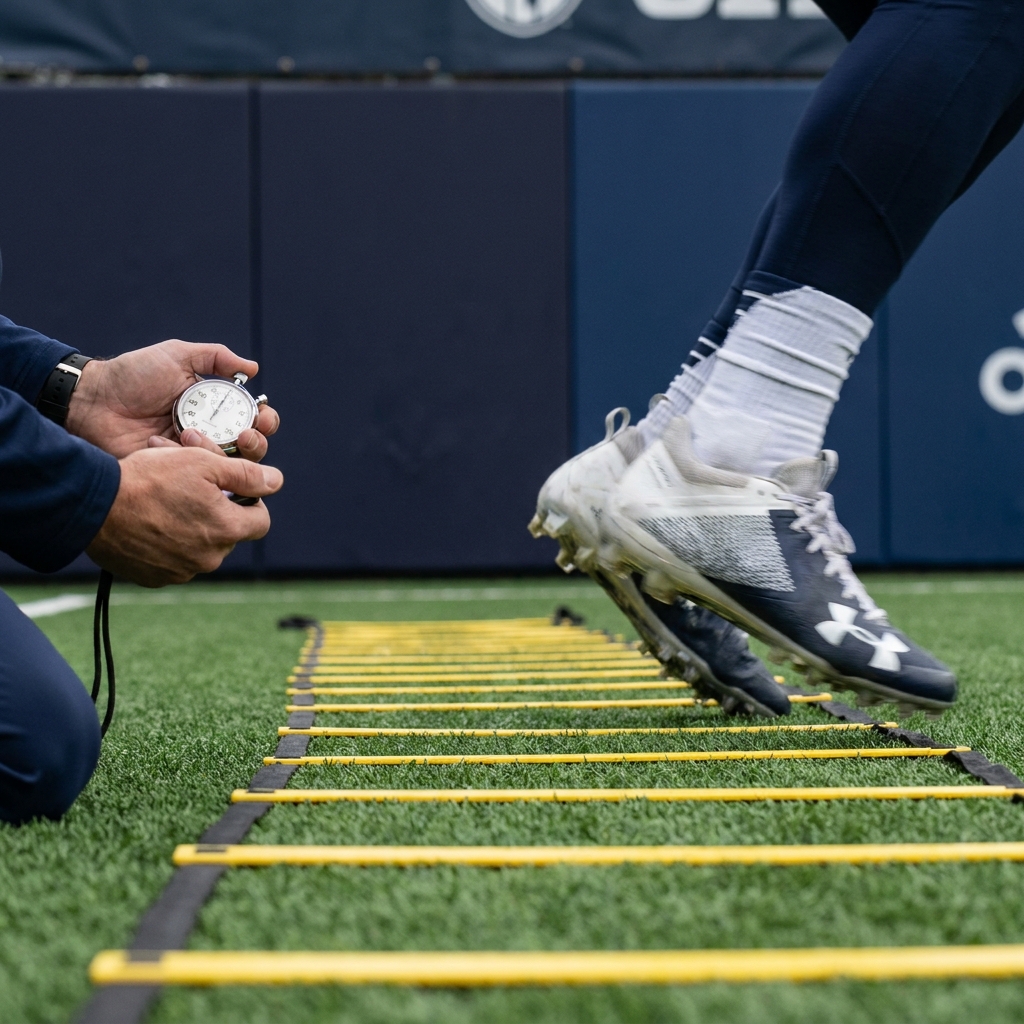
Special teams include kicking and return duties that require unique technique and often open alternative paths to playing time. A reliable kicker or punter can anchor a roster spot, while a return specialist needs vision, speed, and risk management on open field returns.
Special teams are also where many players get early game experience, because rosters need specialists and players willing to master the specific skills. For many, excelling on special teams is a pathway to more playing time on offense or defense.
How to decide: a step-by-step decision framework
Assess your physical profile and athletic tests
Step 1, gather measurements and simple test results. Record height, weight, 40 yard dash time, shuttle time, and vertical jump. These numbers are baseline information you can compare to position norms as you research or talk with coaches. Keep the list factual and current, and repeat tests periodically to track progress.
Step 2, list your key skills and preferences. Write down technical skills you have, such as catching or blocking. Note preferences like leadership, a desire for contact, or a low contact role. Combine these with your physical measures to create a short candidate list of positions to trial.
The best position depends on your physical measurements, technical skills, personal goals, and the level you play at; use a structured assessment, short trials, and targeted drills to find the right fit.
Map your skills and preferences to position clusters
Step 3, match traits to position clusters. Use the worksheet to weight traits, for example speed weight 30 percent, strength 25 percent, ball skills 20 percent, and positional IQ 25 percent. Score each position cluster against your weighted traits to see which areas score highest. This is an iterative tool, not a final decision.
Step 4, test and iterate. Discuss your results with a coach, then ask to try the top two or three positions in practice. Use a short trial period, such as two to four weeks of focused practice and game reps, then reassess using the same worksheet. Trials reveal fit in ways numbers cannot, including how the role feels mentally and how quickly you pick up position techniques.
Physical and skill profiles for every position group
Skill positions: quarterback, running back, wide receiver, tight end
Quarterbacks need footwork, release mechanics, and the ability to process defensive alignment quickly. Physical range varies widely, but successful quarterbacks pair consistent technique with decision skills. Running backs require vision, pad level control, and contact balance; the best backs identify cutback lanes and protect themselves in traffic. Wide receivers depend on route precision, contested catch ability, and separation speed. Tight ends combine receiving skills with blocking technique and often act as hybrid players between line and skill positions.
For these spots practice should emphasize drills that increase hand eye coordination, route timing, and footwork. Technical training includes release mechanics for receivers and drop and throwing mechanics for quarterbacks. Strength training should be position specific and aimed at improving power without sacrificing agility.
Line and linebacker profiles: strength, leverage, gap responsibility
Offensive and defensive linemen must develop leverage, hand placement, and consistent pad level. Linemen train to control opponents through base, angles, and quick hands. Linebackers blend tackling, recognition, and gap responsibility. They must read the play rapidly and frequently make tackles in space, so drills that improve block shedding and lateral movement are essential.
Technical cues such as hand placement on blocks and hip position for tackling are teachable and often more important than raw size. Young players should focus early on fundamentals that scale with strength, so they can remain effective as competition levels increase.
Defensive backs and special teams: speed, angles, ball skills
Defensive backs train footwork for backpedaling, hip turns, and closing speed. Ball skills such as tracking the flight and positioning for contested catches separate dependable pass defenders from average ones. Special teams players train returns, kickoff angles, and situational awareness to both create and avoid turnovers.
Across all groups there are exceptions. Some athletes succeed outside typical profiles because of unusual intelligence, unique skills, or exceptional work ethic. Coaches often make room for players who demonstrate consistent improvement and reliability even if measurements are outside the norm.
Decision criteria: matching personal goals to position choices
Short term goals: playing time and safety
If short term priorities include immediate playing time, positions with high turnover or that require fewer specialized technical skills can be better choices. For example, special teams roles or certain line spots often give more immediate reps for players who show commitment and basic competence. Safety considerations are also practical; players who want to reduce head contact may prefer positions that limit repeated collisions, while those who accept more contact should consider conditioning and technique to reduce injury risk.
Setting clear short term goals helps you and your coach select a role that balances development with contribution. Communicate goals openly and ask what position will give you the best chance to get consistent reps while learning fundamentals.

Long term goals: college recruitment or specialization
Long term goals change the calculus. If college recruitment or position specialization is the target, pick positions where your measurable traits project well to the next level and where you can access the coaching needed to refine position specific skills. Identifying the level you aim for clarifies the benchmarks you should meet in the next one to three seasons.
Personality and leadership also matter. Positions like quarterback and center carry organizational responsibilities and suit players who prefer play calling and leadership. If you value those roles, practice the mental aspects such as audibles and line calls alongside technique training.
Common mistakes players make when picking a position
Selecting based on ego or a single highlight skill
Picking a position because it sounds glamorous or because of a single explosive play can lead to frustration. Players sometimes choose wide receiver because one highlight catch looked great, yet they lack consistent route technique or separation speed needed for repeated reps. A better approach is to balance highlights with repeatable skills that you can show in practice regularly.
Another common mistake is ignoring coach feedback. Coaches see many players and can offer objective views on where you will likely develop fastest. Combine their input with your own assessment and be willing to try roles you did not expect.
Ignoring long-term development or physical limits
Overlooking realistic physical development leads players to overspecialize too early. For example, a youth player may not have the size for offensive line now but could grow into it. Conversely, a player who will not gain significant size should focus on speed and technique for positions that reward those traits. Plan development across seasons rather than forcing an immediate fit.
Balanced training avoids overuse injury. Players who focus only on one set of muscles or repeated throws can develop problems. A coach guided development plan helps manage volume and variety in training exercises to reduce injury risk and improve long term prospects.
Practical drills and practice plans by position
Quarterback and receiver drills: footwork, release, timing
Quarterback drills start with footwork ladders to build drop consistency, then progress to three step, five step, and play action drops with target throws to build accuracy. Receiver drills emphasize release against pads, quick footwork to create separation, and catching under pressure using varied ball speeds.
Measure progress by tracking completion percentages in short drills, timed routes, and consistency of drops. Reps matter, so establish daily routines of 50 to 100 targeted throws or catches focusing on a single technical goal each session.
Line and linebacker drills: blocking technique, tackling form
Line drills focus on stance, hand placement, and controlled sled work to develop leg drive. Workshops on hand placement and punch mechanics help both offensive and defensive linemen. For linebackers, practice read and react drills that start with pad level posture, quick lateral steps, and block shedding to simulate in game angles.
Start contact work gradually, using controlled drill progressions to maintain safety. Track improvements with objective measures like rep counts of clean block sheds and successful tackle drills performed with proper form.
track drill completion and simple timing for reps
Record daily to monitor progress
Defensive back and special teams drills: backpedal, angles, returns
Defensive back drills begin with backpedal mechanics and brisk hip turns into sprint outs to close on targets. Ball tracking and contested catch drills enhance interception potential. For returners practice vision drills that force reads of gaps and set block patterns, combined with timed sprints to measure burst on contact avoidance.
Measure improvements with timed shuttle drills and by counting successful technique executions. Keep safety in focus when practicing tackling or return contact by using progressive resistance and coach supervised live reps.
Sample player scenarios: recommend a position for each profile
A fast, smaller athlete who loves space
Profile, height under average, exceptional short to medium sprint speed, prefers open field. Recommendation, consider slot receiver, return specialist, or defensive back. These positions allow the athlete to use quickness and change of direction to create separation or cover space. Next steps include focused route work, catching drills, and return practice to develop vision and ball security.
Trade offs include more exposure to open field hits for return specialists and a premium on consistent hands for receivers. At higher competition levels the athlete may need to add strength without losing agility to maintain durability.
A big, strong player who prefers physical play
Profile, above average height and weight, enjoys contact and blocking. Recommendation, consider offensive or defensive line, or tight end if the player combines size with acceptable mobility. These roles reward leverage, hand technique, and disciplined footwork. Next steps include squat and core strength work, hand technique drills, and consistent film study of leverage and gap assignments.
Trade offs include more frequent contact and conditioning demands for gap to gap mobility. Development should prioritize injury prevention and technical fundamentals to stay effective as competition increases.
A cerebral athlete interested in play-calling and leadership
Profile, strong situational awareness, quick decision making, comfortable communicating. Recommendation, consider quarterback, linebacker, or center. Each role involves making calls and adjustments, reading opponents, and organizing teammates. Next steps include studying playbooks, practicing line calls or checks, and working on communication drills during team periods.
Trade offs include heavier mental workload and scrutiny, but these positions can position a player as a team leader and a coachable extension on the field for game planning and in game adjustments.
How to transition between positions and when to make a switch
Signs you should switch positions
Objective signs that a switch may help include consistent lack of reps despite effort, measurable gaps in physical traits compared to peers, or recurring injury patterns tied to the position demands. If you cannot meet the basic physical or technical requirements for a position after a reasonable practice period, switching can preserve playing time and development.
Emotional signs also matter. If you dread practice or games in a way that undermines effort, exploring other roles can renew motivation. Discuss these signs with coaches and trusted teammates for perspective before committing to a change.
How to plan a transition in practice and games
Create a transition plan with specific drills, a timeline, and measurable goals. Start by dedicating practice blocks to the new position, then request limited game reps in lower risk situations. Track progress weekly and reassess after a short trial period. Gradual exposure keeps development steady and reduces the risk of being overwhelmed during game situations.
Skill priorities for transitions include the core technical skills for the new role, targeted conditioning, and mental preparation. Plan for extra film study so you understand the role from a tactical perspective before you take live reps.
Managing coach communication and expectations
Be transparent with coaches about why you want to switch and present objective evidence from your worksheet or trial reps. Ask for a short evaluation period and agree on metrics the coach will use to assess the trial. This collaborative approach keeps expectations aligned and makes it easier to return to the original role if the trial does not meet goals.
Remain open to hybrid roles. Many teams use players in multiple spots, which can ease transition and increase overall value to the squad. Embrace feedback and adjust the plan as you gather new information from practice and games.
Youth, high school, and adult considerations: safety and development
Age-appropriate position choices and contact levels
For youth players prioritize skills and safety over early specialization. Many leagues provide rules that limit contact or alter blocking allowed, which affects which positions younger players should play. Emphasize learning fundamentals such as proper tackling technique, safe falling, and spatial awareness at young ages so players build a durable foundation.
As players move to high school and beyond, size and speed expectations increase. Coaches expect more developed technical skills and consistent conditioning. Parents and players should seek certified coaches for contact skills to reduce injury risk and to ensure skills are taught progressively.
Long-term athletic development principles
Long term development favors diverse movement skills early and specialization later. Encourage young athletes to play multiple positions and sports to develop coordination, balance, and varied movement patterns. This cross training reduces overuse and builds a broader athletic base that supports later specialization if desired.
Monitor training load across seasons and prioritize recovery. Good practice plans alternate higher intensity skills work with lighter technical sessions and include strength work appropriate to the athlete's age and maturity.
How league rules affect position suitability
Different leagues modify contact rules, roster sizes, and allowable formations, which can change how positions are played. For example, restricted blocking rules or limited kickoff plays change the demand for certain specialist roles. Check your league rules before committing to a position so you can tailor training to the actual competition environment.
Adapting to rule differences is part of successful progression. Coaches who understand rule sets will align position development to what the league rewards in terms of safe play and tactical opportunity.
Using analytics and simple metrics to inform your choice
Key measurable stats to track in practice and games
Track a small set of reliable metrics such as 40 yard dash, shuttle, vertical jump, catch rate in drills, and successful block or tackle counts during practice. These simple measures give objective insight into where you are improving and how you compare to position expectations.
Keep a short log or spreadsheet to view trends. Small consistent improvements matter more than a one time peak. Use weekly or monthly comparisons to see whether the position you are trying aligns with your measurable progress.
How video and simple analytics reveal strengths
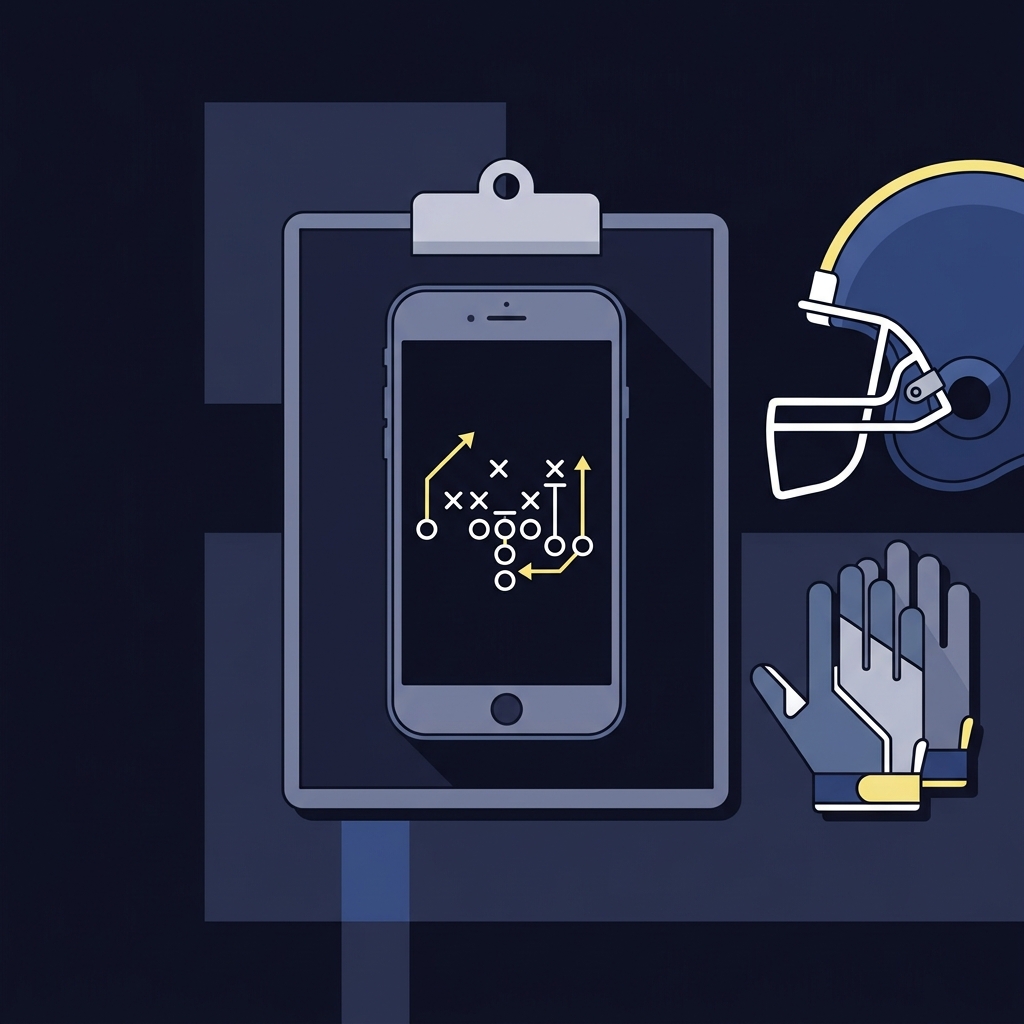
Use smartphone video to review a few reps each week. Look for patterns such as consistent missed reads, poor footwork at a certain moment, or repeated strengths like strong pursuit angles. Video helps you and your coach make targeted adjustments without guessing.
Combine video notes with the metrics log. If you notice technical weaknesses on film that correlate with a metric gap, that gives a clear training priority. Rely on small experiments, such as two weeks of targeted drills, then re test to see if the intervention worked.
When to use data versus coach observation
Data is useful when it is consistent and contextual. Use measurements to guide decisions, but weigh them alongside coach observations about technique, effort, and game intelligence. The best decisions come from combining objective metrics with experienced coach feedback.
Keep analytics light and action oriented. Large data projects can be useful at advanced levels, but for most players simple metrics and regular video review provide enough insight to make meaningful choices and track improvement.
Common mistakes and troubleshooting during your first season at a new position
Expectations that are too high too soon
Players often expect instant mastery. Instead set modest early goals such as earning consistent practice reps, cleaning one technical element, and showing measurable improvement over a month. Celebrate incremental wins to build momentum.
If progress stalls, return to the basics and increase the volume of focused, coached reps before adding complexity. Patience and repetition are the engines of successful transitions.
Neglecting position-specific conditioning
Different positions require different conditioning. A lineman needs power and short burst conditioning, while a defensive back needs repeatable speed and recovery ability. Tailor conditioning to the position demands and track improvements so training matches role needs.
Common quick fixes include asking for extra targeted conditioning drills from the strength staff, adjusting nutrition for training demands, and adding recovery practices such as mobility work to maintain availability over the season.
Poor communication with coaches about role
Keep open lines with coaches. Regularly ask for feedback, clarify what success looks like in the new role, and agree on a timeline to reassess. If expectations are not clear both sides can become frustrated. Simple status updates after games and weekly check ins during practice keep the process transparent.
When issues arise, propose measurable solutions such as extra reps on a drill or a specific film review request so coaches can see your commitment and evaluate progress objectively.
Conclusion: a practical five-point action plan to find the right position
Summarize the framework and next steps
1, Assess: record measurable traits and list technical skills. 2, Map: weight those traits against position clusters to create a shortlist. 3, Trial: test top positions in practice with a short timeline and measurable goals. 4, Train: use position specific drills and simple metrics to track progress. 5, Review: meet with coaches to decide whether to continue, adjust, or switch.
Prioritize safety and coach input, keep a development log, and iterate across 30, 60, and 90 day check points. This structured approach turns uncertainty into a manageable plan and helps players find the best position for their body and goals.
A practical trial is usually two to four weeks of focused practice plus at least one or two game opportunities, then reassess with your coach.
Yes, hybrid roles are common. Start with primary responsibilities and add secondary reps gradually to avoid overload.
Discuss objective measures and offer a short trial, listen to their feedback, and agree on clear metrics to evaluate the experiment.