
Quick answer: what a minus run line means (and how people search it with terms like "9 bet")
One-sentence definition
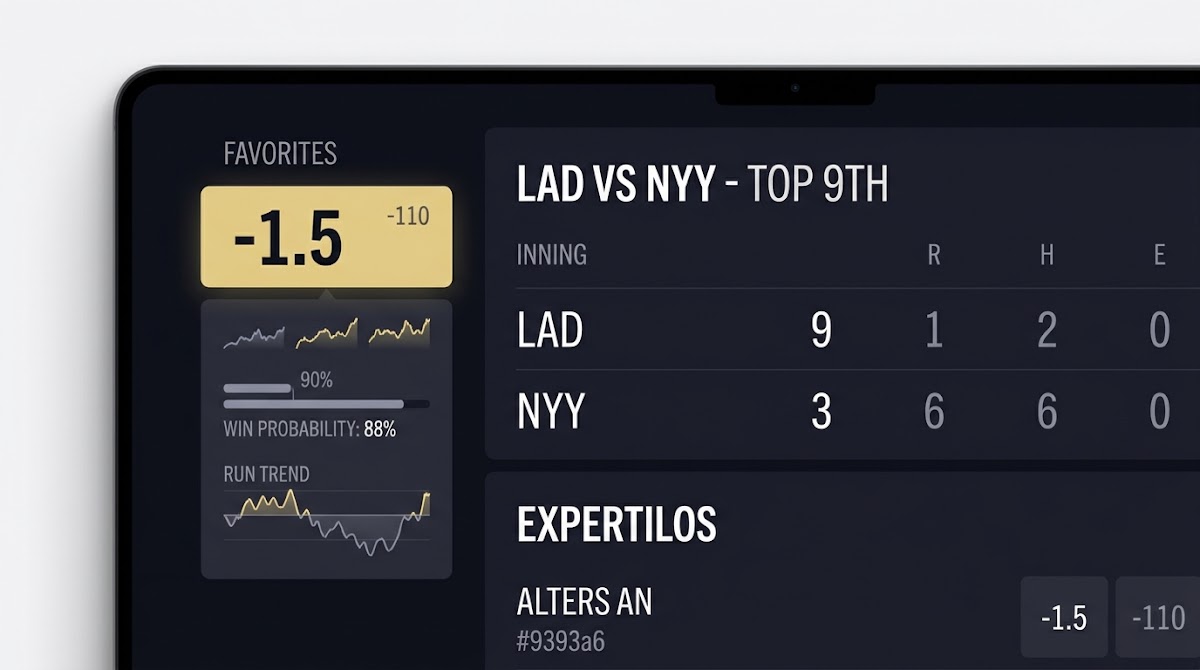
A minus run line, shown as -1.5 for example, means the favorite must win by two or more runs for a run-line wager to cash, which is the standard interpretation in MLB markets Investopedia run line definition.
Practice run-line decision making with structured challenges
Read on for examples and simple checks you can use before you place a run-line decision.
Why bettors ask about '9 bet'
Many users type terms like 9 bet when they want a quick anchor to find concise answers about how spreads and payouts interact; the search phrase works as a shorthand for questions about minus run line meaning and how lines compare to moneylines.
If you landed here from a short search like 9 bet, the short takeaway is: minus run line raises the bar for the favorite to win, while the moneyline only requires picking the winner without a spread.
Definition and context: how run lines work in baseball
What the run line represents
The run line is a runs handicap applied to the score to balance favorites and underdogs; for MLB that conventionally uses a 1.5-run spread so that a favorite showing -1.5 must win by two or more runs to cover Action Network run line explainer.
Think of the run line as the baseball equivalent of a point spread: it moves the required margin of victory to create a two-sided market where odds can be adjusted to reflect relative team strength and gambler demand.
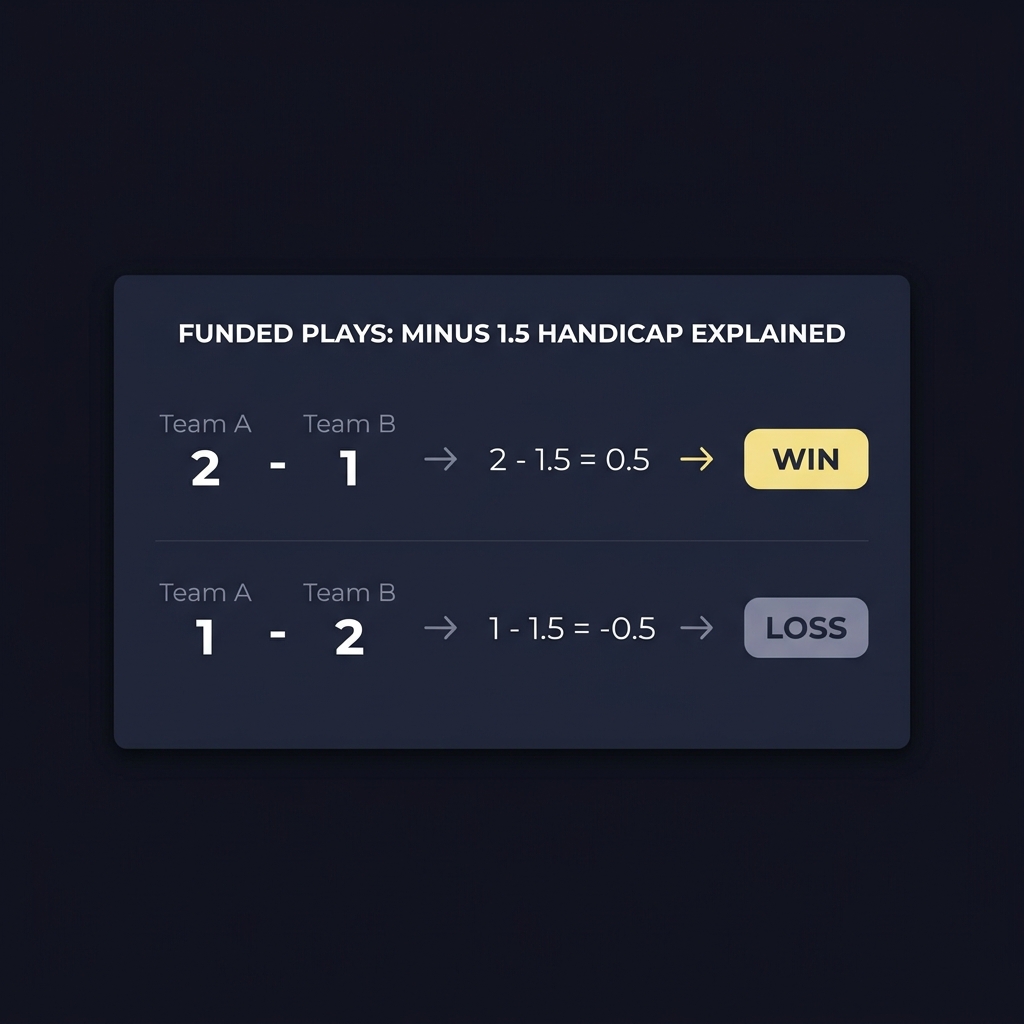
Think of the run line as the baseball equivalent of a point spread: it moves the required margin of victory to create a two-sided market where odds can be adjusted to reflect relative team strength and gambler demand.
Standard MLB run line values
Standard MLB run line values
The standard MLB run line remains plus or minus 1.5 runs at most regulated U.S. books, which simplifies settlement because ties after the handicap are rare with a half-run spread; books also offer alternate run lines at different spreads and prices for bettors who want other risk profiles FanDuel Research run line guide.
Alternate run lines, such as -0.5 or -2.5, are a way for sportsbooks to trade margin and price; a smaller spread favors the bettor who wants the favorite to only need a single run, while a larger spread rewards confidence but requires a bigger winning margin.
Run line versus moneyline: risk and reward differences
What the moneyline pays for
The moneyline is simply a bet on which team wins the game, with no spread applied; the payout reflects the implied probability of a team winning outright, so favorites have negative moneyline odds while underdogs show positive odds Investopedia run line definition.
Choosing moneyline versus run line is a choice between an outcome that ignores margin and an outcome that requires a margin; the right pick depends on your edge, the price on offer, and tolerance for the extra margin risk that a run line can introduce.
A minus run line like -1.5 means the favorite must win by at least two runs for the bet to win; compare implied probabilities from American odds to decide between run line and moneyline and always check book-specific rules and your bankroll plan.
How the run line changes win conditions
When you lay a minus run line like -1.5 you are betting the favourite to win by two or more runs, which often lowers the payout compared with some moneyline prices but creates the obvious single-run risk that would still lose the bet.
Conversely, taking +1.5 on an underdog gives you a one-run cushion, so a narrow one-run loss still results in a winning ticket if the underdog covers the spread; the trade-off is that the price on +1.5 is generally less attractive than the pure moneyline in the same matchup.
Standard and alternate run lines: what to expect on a sportsbook
Standard ±1.5 run line
Most regulated sportsbooks list the run line next to team names with a standard ±1.5 as the default; that format keeps settlement straightforward because the half-run prevents pushes when final scores are whole numbers Covers MLB run line overview.
When you see a default run line it usually pairs with a set of American odds; if you want different risk, look for alternate run lines that move the spread and adjust the odds accordingly rather than assuming every book uses identical pricing.
Alternate lines and pricing
Alternate run lines change the number of runs the favorite must win by and they change the price in response; for instance a -2.5 will require a wider margin and usually pays more favorable odds to the bettor who predicts a dominant performance.
Because alternate lines reflect different implied probabilities, it is worth checking prices across available spreads before wagering to see whether the change in required margin is worth the shift in payout.
How American odds convert to implied probability
Formulas for negative and positive American odds
For American odds there are stable formulas to convert to implied probability: for negative odds use absolute value divided by the absolute value plus 100, and for positive odds use 100 divided by the odds plus 100; these formulas let you compare odds across markets Investopedia implied probability guide. Try an implied probability calculator like OddsJam's calculator.

Applying those formulas gives a baseline probability before you account for the sportsbook's margin or vig, so treat the result as the market's implied chance rather than a fair probability. See how evaluations work here.
Why implied probability is useful for decision making
Implied probability lets you assess whether a price includes value relative to your own estimate of an outcome; if your fair probability estimate is higher than the market implied probability you have an edge in principle, but you must also consider vig and sample size in practice.
Using implied probability consistently across moneyline and run-line prices makes it easier to compare whether a minus run line at given odds or a moneyline at its odds gives you the best expected value.
Odds examples: converting -150 and +130 to implied probability
Step-by-step conversions
To convert -150: take 150 divided by 150 plus 100, which yields 150/250 or 0.60, so -150 corresponds to about 60.0 percent implied probability before margin adjustments Investopedia implied probability guide. You can verify these conversions with a free implied probability calculator such as The Rundown's tool.
To convert +130: take 100 divided by 130 plus 100, which yields 100/230 or about 0.4348, so +130 corresponds to about 43.5 percent implied probability prior to removing the bookmaker margin.
These conversions are a quick way to see how the market prices an outcome, and the next step is to remove the bookmaker margin if you want a fair odds comparison or to aggregate probabilities across multiple selections.

Interpreting the results
These conversions are a quick way to see how the market prices an outcome, and the next step is to remove the bookmaker margin if you want a fair odds comparison or to aggregate probabilities across multiple selections.
When comparing run line prices to moneylines, convert both to implied probabilities so you can evaluate whether the extra margin requirement from a minus run line is offset by more favorable odds.
Strategy: when to lay -1.5 versus take +1.5
When laying -1.5 makes sense
Laying -1.5 on a strong favorite can be sensible when you believe the favourite has a clear run-scoring advantage and the offered price improves expected value compared with the moneyline, but you must accept the single-run loss scenario as a common margin risk Action Network run line explainer.
Use disciplined rules: only commit when your edge estimate is robust, the sample of supporting data is reasonable, and you have checked alternate run lines and moneyline prices to confirm the relative value.
quick implied probability check from American odds
use as a quick mental check
When taking +1.5 is preferable
Taking +1.5 is a common choice when you want a safety cushion for an underdog that is likely to keep a game close, or when live or matchup factors make a one-run outcome plausible and you prefer the insurance over a marginal moneyline price Covers MLB run line overview.
Line shopping is especially important here: a slightly worse price on +1.5 can eliminate the value of the cushion, so compare alternate lines and odds before sizing a bet and incorporate that into your bankroll plan.
Bankroll and risk management for run line plays
Sizing bets against added margin risk
Because run lines add margin risk they typically increase variance relative to pure moneyline bets; reduce unit size accordingly when you are testing a new run-line strategy or when the same stake would represent a larger portion of your bankroll than usual Action Network run line explainer.
A simple approach is to lower your stake by a fixed fraction for run-line plays until you have a larger sample showing the method works; this avoids reacting to a few single-run losses with impulsive increases in stake.
Tracking outcomes over time
Keep a concise tracking sheet that records the selection, market odds, implied probability, stake, result, and ROI so you can measure whether your run-line decisions produce a persistent edge or are merely noise.
Evaluate performance after a meaningful sample and resist over-interpreting a small number of results, because recency bias and short-term variance can easily mislead staking choices.
Book rules and pricing quirks to watch for with run lines
House rules that affect cashing run lines
House rules can affect settlement details for run lines, so check an operator's help or rules page to confirm how pushes, game suspensions, or innings not played are handled; the details can change whether you win or lose in edge cases FanDuel Research run line guide.
Some books use different settlement rules for live bets or for games halted by weather, so verifying the book's language ahead of placing a larger stake protects you from an unexpected loss.
How alternate lines change pricing
Alternate run lines often reprice the implied probability more sharply than you might expect, because the market adjusts both for the shifted margin and for bettors who have strong directional views on scoring; check whether the implied probability on the alternate line justifies the required margin.
When in doubt, compare the implied probabilities and think about what fair probability you would assign before using a spread change to justify a larger or smaller stake.
Common mistakes and traps when interpreting run lines
Misreading the sign and spread
A frequent error is sign confusion: a minus sign indicates the favourite must cover the spread, so -1.5 means the favourite needs two or more runs, not that the favourite loses; this simple reading mistake leads to avoidable losing tickets Investopedia run line definition.
Always read the spread next to the team name and verify the associated odds so you do not mistake a moneyline favorite for a run-line underdog or vice versa.
Ignoring implied probability and vig
Another trap is using raw implied probabilities without adjusting for the bookmaker vig; that makes your fair value assessment optimistic and can lead you to think you have an edge when the market already embeds a house margin Investopedia implied probability guide.
Good practice is to calculate implied probabilities, note the overround, and be conservative about claiming value until you remove the vig or use market-neutral comparisons.
Practical scenarios: three example decisions using run lines
Strong favorite with ace starting pitcher
Scenario: the home team has an ace on the bump and the matchup favors run support; if the moneyline is shallow but the run line at -1.5 pays a reasonable price, laying the run line may improve expected value if your model supports a two-run margin Action Network run line explainer.
Example thinking: convert the offered run-line odds to implied probability and compare to your projection; if your fair probability for a two-run win exceeds the market implied probability after accounting for vig, the -1.5 can be justified within disciplined staking rules.
Close pitching matchup where underdog gets +1.5
Scenario: two strong pitchers yield low total scoring, so the underdog receives +1.5 at a price that still looks fair; taking the +1.5 can be the correct conservative choice because a one-run loss still cashes the ticket Covers MLB run line overview.
Example thinking: value the insurance of half a run against the price you must pay and consider reducing stake size if the price is compressed by heavy market action.
Late-inning live line adjustments
Scenario: during live betting a run in the later innings swings the live run line rapidly; the implied probability recalculates quickly and a near-term expectation about run scoring matters more than pregame metrics FanDuel Research run line guide.
Example thinking: in live situations check the adjusted implied probability and think about short-run scoring factors, then size bets conservatively because volatility and settlement quirks are higher in-play.
How to read a run line on a ticket or in an app
Where the spread appears
On a typical betting app the run line appears next to the team name as the spread value, for example showing Team A -1.5 with accompanying American odds to the right; the layout is usually similar to point spread displays in other sports Investopedia run line definition.
Check the line header or the help overlay in the app if you are unsure, and confirm whether the displayed odds are the live price or a pregame snapshot before committing funds.
Interpreting payout and potential returns
To understand payout, apply the American odds to your stake to compute returns, and use the implied probability formulas if you want to compare moneyline and run-line offers on a consistent basis Investopedia implied probability guide. A betting odds calculator can help; see VSIN's odds calculator.
Always confirm settlement rules on the same app page so you know how the operator treats suspended games, extra innings, or other edge cases that can affect whether a run-line ticket pays.
Conclusion and quick reference: what to remember about a minus run line
Three-line takeaway
Core reminder: a minus run line such as -1.5 means the favourite must win by two or more runs to cash the bet.
Use the American odds to implied probability formulas to compare run-line and moneyline prices, and remember to include the bookmaker margin when you evaluate value Investopedia implied probability guide.
Further reading and verification steps
Before you bet, verify book-specific rules and settlement language, track results, and apply consistent bankroll rules so you can assess whether a run-line approach fits your process. See our blog for more.
When you want a practical place to practice structured prediction and test run-line choices without wagering real cash, consider a skill-based funded challenge environment to build disciplined record keeping and decision rules.

When you want a practical place to practice structured prediction and test run-line choices without wagering real cash, consider a skill-based funded challenge environment to build disciplined record keeping and decision rules.
When you want a practical place to practice structured prediction and test run-line choices without wagering real cash, consider a skill-based funded challenge environment to build disciplined record keeping and decision rules.
-1.5 means the favorite must win by two or more runs for the run-line bet to win.
No. The moneyline is a bet on the game winner only; the run line adds a runs spread that changes the win condition.
For negative odds use absolute value divided by absolute value plus 100; for positive odds use 100 divided by odds plus 100.
References
- https://www.investopedia.com/terms/r/runline.asp
- https://www.actionnetwork.com/mlb/what-is-the-run-line-betting
- https://www.fanduel.com/research/mlb/what-is-run-line-in-baseball-betting
- https://www.covers.com/industry/mlb/how-to-bet-mlb-run-line
- https://www.investopedia.com/terms/i/implied-probability.asp
- https://www.fundedplays.com/challenges
- https://oddsjam.com/betting-calculators/implied-probability
- https://www.fundedplays.com/blogs/how-fundedplays-evaluations-work
- https://therundown.io/betting-calculators/implied-probability-calculator
- https://www.fundedplays.com
- https://www.fundedplays.com/blogs
- https://vsin.com/tools/betting-odds-calculator/