
Quick answer: is 1xBet legal in the United States?
Short verdict: 1xbetonline
Short verdict, in plain terms: where state law limits sports wagering to state-licensed operators, 1xBet is not authorized to accept wagers from U.S. residents and using that offshore site can expose you to legal and financial risk, based on the post-PASPA regulatory framework set by the Supreme Court in Murphy v. NCAA, which returned betting regulation to the states Murphy v. NCAA opinion.
Verify licensing first with FundedPlays guidance
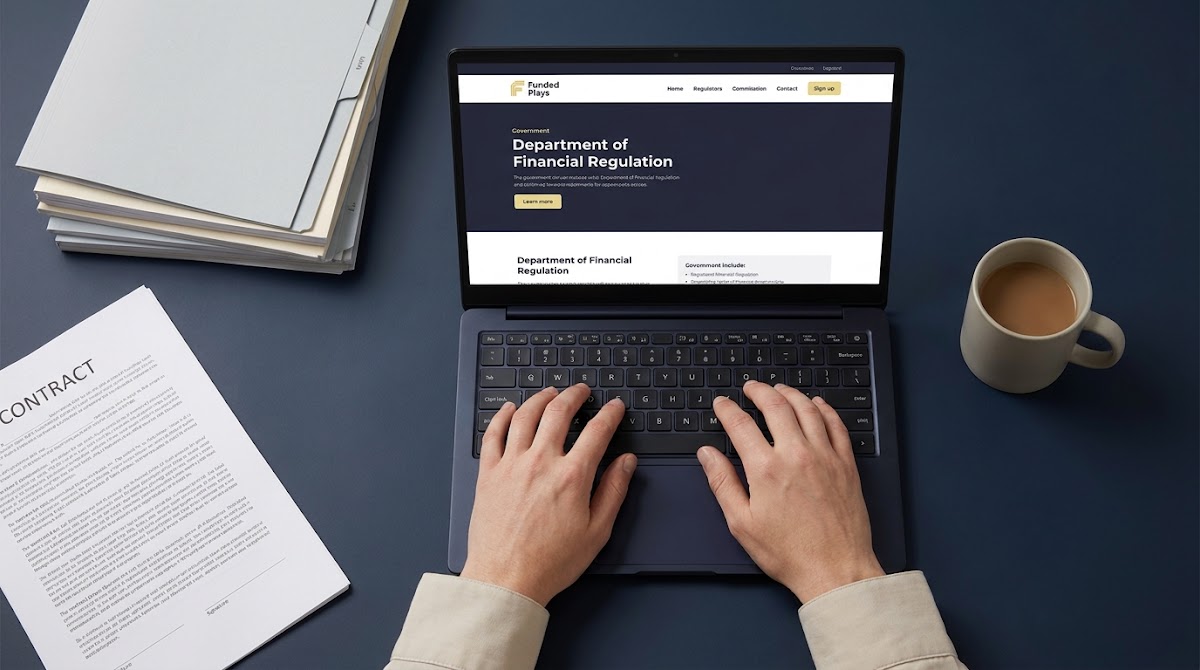
Before depositing anywhere, check your state regulator's list of licensed operators to confirm a site's status.
What this article will cover
This guide walks through the legal background that makes state licensure central, explains the federal payment and transmission rules that affect offshore sites, summarizes regulator warnings and enforcement examples, and gives a practical checklist and decision criteria you can follow to verify a sportsbook's authorization in your state.

How U.S. sports betting law works since Murphy v. NCAA
The post-PASPA landscape
The 2018 Supreme Court decision in Murphy v. NCAA effectively ended the federal ban that had kept most state-regulated sports betting off the table and returned authority over sports wagering law to each state, meaning states decide whether to allow and how to regulate operators within their borders Murphy v. NCAA opinion.
State authority and licensing basics
Under the post-Murphy system most states that allow wagers do so through a licensing regime in which only operators granted an in-state license may lawfully accept bets from residents; regulator lists and licensing databases are the authoritative public record to confirm whether a brand is authorized in a specific jurisdiction American Gaming Association state overview.
Federal rules that matter: the Wire Act and UIGEA
What the Wire Act restricts
Federal law still matters: 18 U.S.C. section 1084, commonly called the Wire Act, targets the interstate transmission of wagering information and limits how some forms of cross-border or interstate betting communications are handled, which can complicate the availability of offshore services to U.S. users 18 U.S.C. § 1084 (The Wire Act).
In general, no: where state law limits wagering to state-licensed operators, 1xBet is not authorized and using offshore sportsbooks can expose you to payment and consumer protection risks.
How UIGEA affects payments and why that matters for offshore sites
The Treasury Department's implementing regulation for the Unlawful Internet Gambling Enforcement Act, published in 31 CFR Part 132, focuses on payment flows and can result in blocked deposits or withdrawals when financial institutions identify transactions tied to unlawful internet gambling, increasing the practical risk of using offshore sportsbooks for U.S. customers 31 CFR Part 132 (UIGEA implementing rule).
Federal rules that matter: summary implications for users
Together, the Wire Act and UIGEA mean that even if an offshore site accepts your registration, banks, payment processors, or card networks may decline, reverse, or otherwise block transactions tied to unlawful gambling activity, creating a high chance of payment friction or loss for U.S. users 31 CFR Part 132 (UIGEA implementing rule).
That payment friction can leave consumers with limited options to recover funds, especially if the operator is outside U.S. jurisdiction and not subject to a state regulator's oversight Michigan Gaming Control Board enforcement notice.
Why regulators warn against offshore sportsbooks
Common regulator concerns
State regulators and industry groups consistently highlight that offshore sportsbooks typically lack U.S. oversight, offer limited dispute resolution options, and provide weaker consumer protections than licensed operators, which increases the risk that users will face unpaid balances or unresolved complaints American Gaming Association state overview.
Recent enforcement examples
Regulators have taken public action against offshore brands and issued consumer advisories; for example, a state regulator directed an offshore operator to stop illegal operations targeting residents and explicitly warned consumers to use only regulated sites, which shows how enforcement and public notices are used to protect consumers Michigan Gaming Control Board enforcement notice.
Practically, these advisories mean you may have little recourse if an offshore operator refuses to pay or if a payment processor reverses a transaction, because state regulators typically only regulate licensed operators within their jurisdiction American Gaming Association state overview.
Checking 1xBet's authorization: what state lists show
How to read a state licensee registry
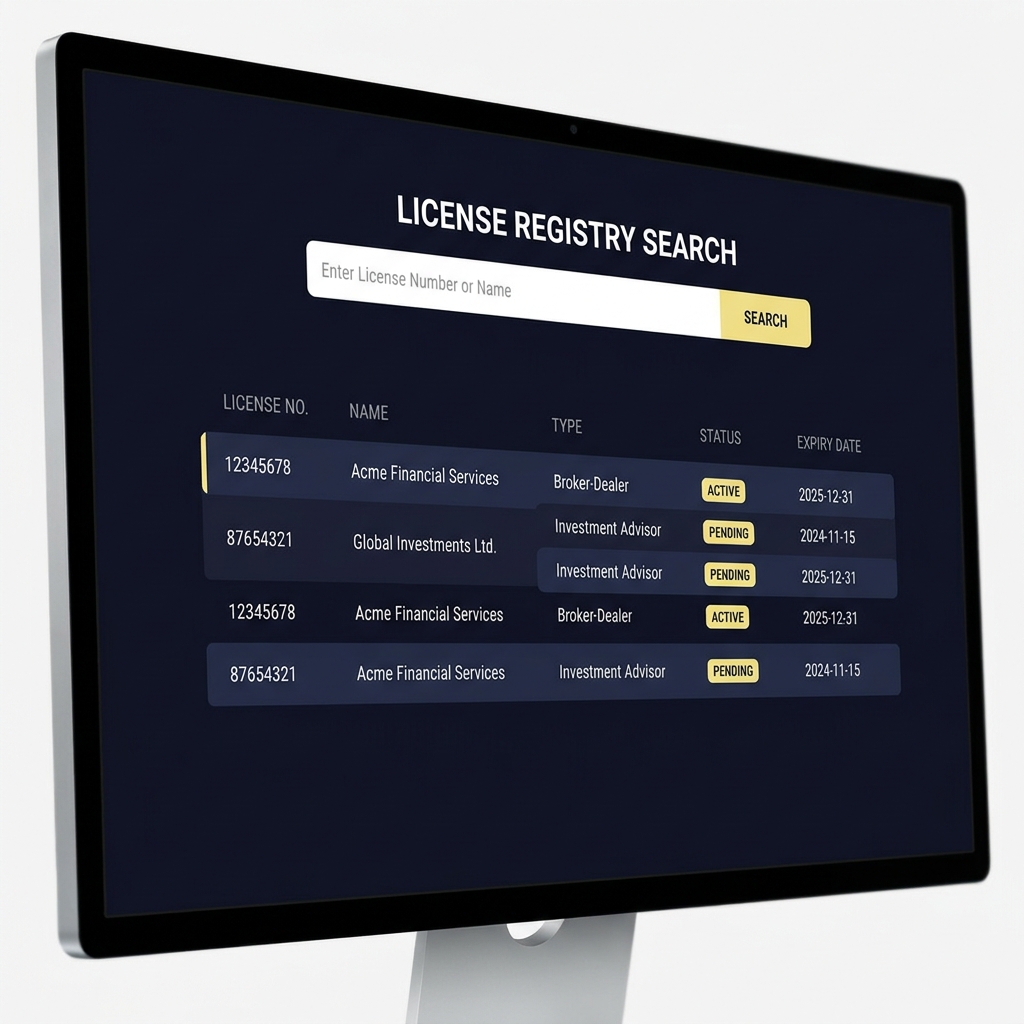
Official state license registries list every operator authorized to accept bets in that state; these lists usually show the operator name, license number, license type, and the licensed operator's retail or online details, and they are the best place to confirm whether a brand is permitted in your state Colorado licensed sports betting operators registry. You can also use the state's Gaming License Verification tool Gaming License Verification or the Division of Gaming public lookup Division of Gaming lookup to verify entries.
Example: Colorado's licensed sports betting operators
Looking up a brand on Colorado's registry and on comparable state sites is a practical way to confirm authorization; in Colorado's published list of licensees and other states' registries, 1xBet does not appear as an authorized operator, which indicates it is not licensed to operate there under current rules Colorado licensed sports betting operators registry (third-party compilations such as Bettor Safe may also point to regulator pages).
Absence from a state list is a strong indicator the brand is not authorized to accept wagers from residents in that state, and you should treat sites that are not on regulator lists as offshore or unlicensed for practical purposes American Gaming Association state overview.
Practical checklist: how to verify legality in your state
Step-by-step verification
Step 1, consult your state regulator's website and use its license database or operator lookup tool to search for the brand name and any listed license number; regulator databases are the authoritative source for whether a sportsbook is authorized in your state American Gaming Association state overview.
What to look for on a betting site
Step 2, on the betting site itself confirm the presence of a visible state license number and clickable licensing details that match a regulator entry; Step 3, be wary if the site offers only crypto payments or advertises that it accepts players from states where licensing is required Michigan Gaming Control Board enforcement notice.

As an alternative to depositing with an offshore bookmaker, some users prefer skill-based sweepstakes and prediction platforms that use virtual funded accounts and structured evaluation challenges, which operate under different models than traditional sportsbooks and do not promise guaranteed earnings.
Decision criteria: when to avoid an offshore sportsbook like 1xBet
Risk indicators
Red flags to avoid include a site that does not display a U.S. state license number, provides no verifiable corporate contact or regulatory information, or forces crypto-only withdrawals without clear U.S. licensing; these indicators suggest the operator is offshore and not subject to state oversight, increasing your exposure to payment and dispute risk 31 CFR Part 132 (UIGEA implementing rule).
Use your state regulator's license lookup tool to verify an operator
Enter the exact brand name shown on the site
Tolerance and alternatives
If you have low tolerance for payment or regulatory risk, choose only operators listed on your state regulator's website; if you prefer to avoid licensed wagering altogether, consider legitimate skill-based prediction platforms or sweepstakes that use virtual funds and structured challenges instead of real-money books American Gaming Association state overview.
Common mistakes and pitfalls people make with offshore sportsbooks
Overlooking licensing
A frequent error is trusting a slick website, large signup bonuses, or celebrity-style marketing and assuming the site is legitimate; a look at state registries would quickly show whether that brand is licensed and whether the advertised terms align with a regulated operator American Gaming Association state overview.
Assuming crypto removes legal risk
Using a VPN to bypass geo-blocking, relying on crypto to shield transactions, or assuming offshore operators are outside any legal reach do not eliminate the practical risk that banks and payment processors may block or reverse transactions and that you will lack regulator recourse if something goes wrong 31 CFR Part 132 (UIGEA implementing rule).
To reduce exposure, document every transaction and check with your state regulator before depositing so you are not relying solely on promotional claims on an unverified site Michigan Gaming Control Board enforcement notice.
Scenarios and examples: what can go wrong if 1xBet is not licensed where you live
Payment blocked or reversed
Scenario: you deposit with a card or bank transfer, the payment processor later determines the transaction is tied to unlawful internet gambling and reverses or blocks the transfer, leaving you without access to funds while the offshore operator remains outside the effective reach of state regulators 31 CFR Part 132 (UIGEA implementing rule).
No regulator to help with disputes
Scenario: you win and request a withdrawal but the offshore operator delays or refuses payment; because the operator is not licensed in your state there is typically no state regulator you can file a formal complaint with that will compel the operator to pay, which is a common consumer protection gap seen in enforcement advisories Michigan Gaming Control Board enforcement notice.
If you face either situation, collect transaction IDs, screenshots of account balances and correspondence, and contact your payment provider to begin a dispute or chargeback process while also notifying your state regulator's consumer complaint channel American Gaming Association state overview.
Legal and safe alternatives to offshore sportsbooks
Using state-licensed operators
The safest route for wagering needs is to use operators listed on your state regulator's licensing page, because licensed sites are subject to oversight, consumer protections, and dispute processes that offshore sites typically lack American Gaming Association state overview.
Skill-based platforms and sweepstakes options
If you want to avoid licensed sportsbooks entirely, consider skill-based prediction platforms and sweepstakes-style products that focus on virtual funded accounts and evaluation challenges, noting that such platforms are different models and do not guarantee earnings or operate like regulated sportsbooks.
How to report suspected illegal operators and seek help
Who to contact
Report suspected illegal operators to your state gaming regulator or to your state's attorney general consumer protection office; many regulators provide online complaint forms and will investigate when consumers supply credible evidence of unlawful activity American Gaming Association state overview.
What information to collect
Keep screenshots of account pages, transaction IDs, receipts, email correspondence, and any marketing claims; that documentation will help your payment provider, regulator, or law enforcement review the complaint and take action where appropriate Michigan Gaming Control Board enforcement notice.
If you already used an offshore site: next steps
Immediate actions
Stop further deposits, document every transaction and communication, and contact your bank or card issuer immediately to report suspicious or unauthorized activity and to request a chargeback or dispute where appropriate Michigan Gaming Control Board enforcement notice.
When to escalate
If initial disputes with the payment provider do not resolve the matter, file a complaint with your state regulator, consider reporting to your attorney general's consumer division, and retain transaction records in case investigators request them; outcomes will vary and recovery is not guaranteed.
Summary verdict and recommended next steps
Short recap
Recap: under the state-centered regulatory system that followed Murphy v. NCAA, 1xBet is not authorized where states require licensed operators, and using offshore books carries payment and enforcement risk that can leave consumers without effective protections Murphy v. NCAA opinion.
Practical action items
If you are unsure, follow the checklist: check your state regulator's license lookup, confirm a visible license number on the site that matches the regulator entry, avoid crypto-only offshore brands, and document transactions if you choose to interact with an unlicensed operator American Gaming Association state overview.
Resources and where to check for updates
State regulator links and national resources
Authoritative resources to monitor include your state gaming regulator's license pages, enforcement notices, and the American Gaming Association's state surveys, and as an example Colorado's regulator publishes a searchable registry for licensed sports betting operators Colorado licensed sports betting operators registry.
How to follow enforcement notices
Bookmark your regulator's press release or enforcement page and sign up for email alerts where available so you receive warnings about offshore operators or changes to licensing rules in your state Michigan Gaming Control Board enforcement notice.
Where a state requires licensed operators, 1xBet is not listed as an authorized operator and is treated as an offshore site; check your state regulator's license page for confirmation.
Most individual users are not subject to criminal prosecution for using offshore sportsbooks, but using them can create financial risk and limited remedies; state rules vary and the practical risk is primarily payment and consumer protection related.
No, using crypto does not change licensing requirements and can increase payment and recovery risk; licensing is determined by state law.
References
- https://www.supremecourt.gov/opinions/17pdf/16-476_dbfi.pdf
- https://www.americangaming.org/resources/state-of-the-states-2025/
- https://www.law.cornell.edu/uscode/text/18/1084
- https://www.ecfr.gov/current/title-31/subtitle-A/part-132
- https://www.michigan.gov/mgcb/news/press-releases/2024/05/29/mgcb-directs-bovada-to-stop-illegal-operations-targeting-michigan-residents
- https://sbg.colorado.gov/sports-betting-licensees
- https://sbg.colorado.gov/gaming-license-verification
- https://codor.mylicense.com/DOG_Verification/
- https://bettorsafe.org/united-states-regulator-licensed-operators/
- https://www.fundedplays.com/blogs/how-fundedplays-evaluations-work
- https://www.fundedplays.com/blogs
- https://www.fundedplays.com
- https://www.fundedplays.com/challenges