
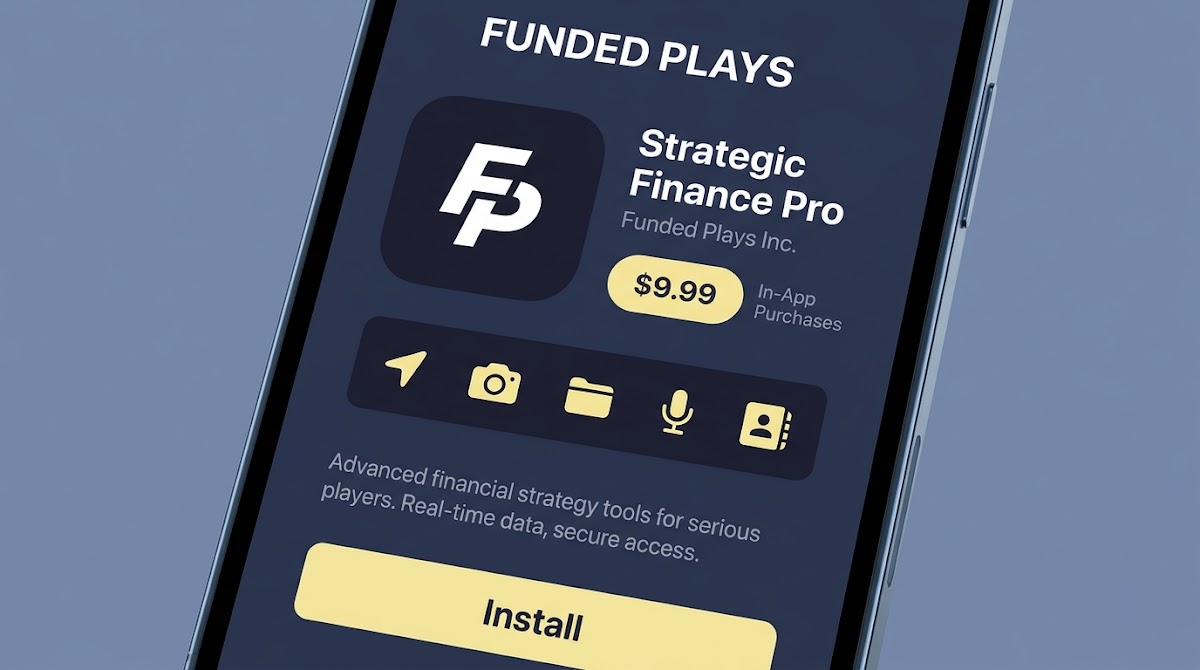
Quick answer: Is 1st bet app download free?
Short answer: many apps are free to download, but the 1st bet app download may be free while offering optional paid features inside the app. Check the app store listing to confirm whether the app shows a price or a free indicator and whether the description mentions in-app purchases.
Free download usually means no charge to install, but experience shows that optional subscriptions, premium features, or trial conversions can create later costs. Before you tap install, look at the app store price marker, the list of in-app purchases listed on the page, and the publisher name so you are confident you have the official app.
Use official store listing and device purchase history to verify price and purchases
Save screenshots of listing and receipts before purchase
Use your device purchase history after installing to confirm any automatic charges. If you use a device family or shared payment method, double-check which account is being billed.
How much does 1st bet app download cost in app stores?
App stores show price information on the app listing page. On the Apple App Store the price or a Free button appears near the top of the app page, and on Google Play the install button will indicate whether the app is free or paid. Look for an explicit price label, or a Free prompt followed by any in-app purchase notice.
Regional pricing and taxes can change the final amount you pay. Some stores include local taxes in the listed price, while others calculate taxes at checkout, so the number you see may differ slightly from the charge that appears on your card. Verify the seller name on the listing to avoid lookalike apps that mimic official pages. For broader context on store fees and policies, see a summary of app store fees.
When in doubt, tap the developer or publisher name on the listing and check the developer website and contact details. That helps confirm legitimacy and gives a route to support if you see unexpected charges later.

Are there in-app purchases or subscription fees after 1st bet app download?
Many apps are free to install but offer in-app purchases or subscriptions for premium features. Before you agree to a purchase, review the app description for an in-app purchases section and look for a subscription disclosure. This helps you understand whether features are one-time buys or recurring fees.
Check the subscription details and trial terms before you accept. Trial periods often convert to paid subscriptions automatically at the end of the trial unless you cancel, so note the trial end date in your calendar if you want to avoid charges.
Check subscription terms on the FundedPlays Challenges page before committing
Before accepting any trial or subscription, read the subscription terms and set a reminder for trial end dates to avoid unintended billing
If the app requests payment permissions during first run, you can usually cancel subscriptions through the App Store or Google Play account settings. Keep a screenshot of any purchase confirmation or subscription screen so you can provide evidence if you need a refund.
Does 1st bet use virtual funded accounts or require deposits after download?
Some sports prediction platforms use virtual funded accounts so participants practice and complete evaluation challenges without depositing real money. If a platform uses virtual bankrolls, the app download itself typically does not require a cash deposit to start the evaluation process.
Contrast that with apps that require real-money deposits to place bets or unlock cash accounts. Read the platform rules and the app description to understand whether balances are simulated or if real funds are needed to access certain services or withdrawals. That distinction affects how you should think about cost and risk.
If reward access or withdrawals are mentioned, check the challenge or reward terms carefully for any conditions that could require real payments, such as verification costs or payout fees. Transparency in the platform rules helps you know what to expect if you qualify for rewards or account upgrades.
Hidden costs to watch for after 1st bet app download
Indirect costs can add up even when an app is free to install. Watch for mobile data usage from live content or frequent background updates, premium features that charge per use, and payment-processor fees when requesting payouts. These charges do not always appear on the app listing but can show on your card or bank statement.
Trial periods that automatically convert to paid subscriptions are a common source of unexpected bills. Note trial durations, and cancel within the trial window if you decide against the paid option. Also review any privacy policy statements about third-party services that might connect to paid features or external processors.

Developer support and the official listing are the first places to check for accurate details about fees and how features are billed. If the developer provides a clear help page, bookmarking it can speed recovery when you have a billing question.
How to check app permissions and data access before downloading 1st bet app
App store listings include a permissions summary and a link to a privacy policy. On Android, Google Play often shows a permissions list before install; on iOS, the App Store links to a privacy details section. Review which permissions the app requests before you install.
Permissions related to payments, contacts, or location can indicate potential data sharing or costs. Payment permissions generally mean the app can initiate purchases or work with billing services, so confirm whether purchases require explicit confirmation each time or allow automatic billing.
Check the privacy policy and developer contact details as a next step. If the policy is vague about third-party processors, reach out to support and ask directly how purchases and data sharing are handled.
Common mistakes when estimating the cost of 1st bet app download
A frequent mistake is assuming a free download means no future costs. Free-to-install apps commonly offer premium tools, time-limited trials, or optional subscriptions that create later charges. Read all purchase and subscription disclosures in the app listing.
Downloading the app may be free, but costs can arise later through in-app purchases, subscriptions, or indirect fees; verify the app store listing and subscription details to know what to expect.
Another error is confusing virtual challenges with paid entry fees. Virtual funded accounts may let you complete evaluations without depositing funds, but some platforms attach conditions to reward access. Read the rules so you know whether any step requires payment, verification, or fees for payouts.
Also beware of lookalike apps. If an app name is similar to a popular platform, confirm the developer name, ratings, and official website to reduce the chance of installing a copy that could charge unexpectedly.
Decision criteria: When the app cost is worth it
To decide if a paid feature makes sense, use a short checklist: how often you will use the feature, whether it meaningfully improves your experience, and whether the subscription cost fits your budget. Balance recurring costs against the expected value you receive over time.
Try free features first and use trial periods to test premium tools. If the app saves you time or improves prediction accuracy enough to justify the price, a subscription could be worthwhile. Otherwise, stick to the free tier or seek single-feature purchases to limit ongoing cost.
Practical scenarios: cost examples for different users
Casual user example: a fan who checks predictions occasionally may avoid subscriptions and use only free features, keeping costs near zero. Casual use favors avoiding recurring fees and relying on core app capabilities.
Power user example: a heavy user who values advanced analytics or premium tools might subscribe to a monthly plan. Over a year, recurring subscriptions add up, so calculate the annual cost and compare it to how much benefit the premium tools provide to your process.
These scenarios are illustrative. Always confirm exact prices and trial terms on the official store listing and developer pages before making a purchase decision.
Step-by-step: how to download 1st bet app safely
Before you download, verify the official publisher name and check ratings and recent reviews to spot suspicious listings. Confirm the app's icon and description match the official website to reduce the risk of lookalikes.
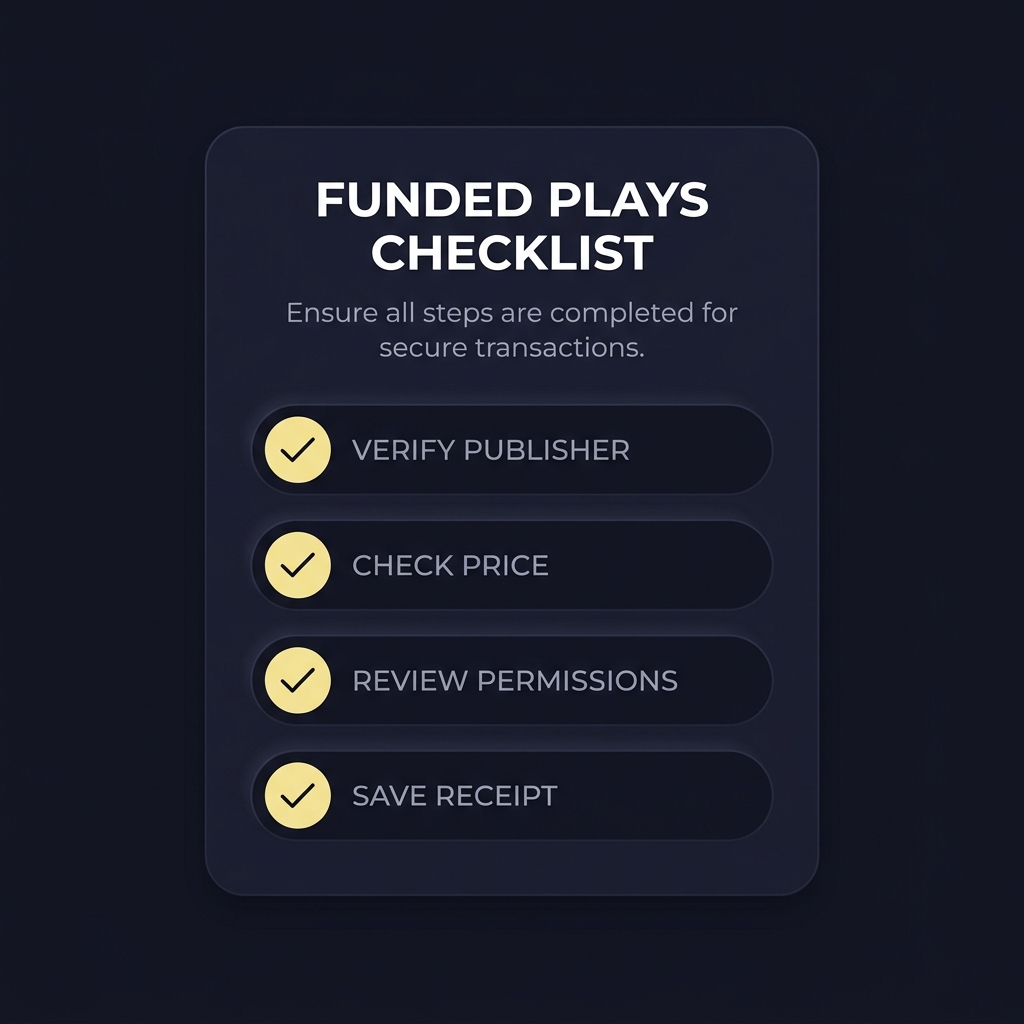
During installation, pause at any permission prompts and review why each permission is requested. If the app lists in-app purchases, note whether subscriptions auto-renew and whether a free trial applies. Keep a screenshot of the listing page and any purchase confirmations for your records.
How funded-account models affect perceived app costs
Funded-account or evaluation challenge models can make an app look like it has cost when the activity is actually a simulated environment. Virtual bankrolls are tools for testing skill and do not necessarily mean you paid for access to simulated funds. Distinguish between simulated balances used for evaluation and real-money wallets used for wagers or payouts.
Read challenge rules and reward conditions to understand whether participation is free or requires a payment step before withdrawing rewards. Clear rules help you know if perceived costs are only part of the evaluation model or if real charges are involved.
Checklist before you tap download
Five quick checks: verify publisher, check the displayed price or Free indicator, review subscription and trial terms, inspect requested permissions, and confirm support contact details. These steps take only a few minutes and reduce surprises.
Also save a screenshot of the app listing and any purchase confirmation. If you see unexpected charges, store screenshots and transaction details to support refund or dispute requests with the app store or payment provider.
What to do if you encounter charges after download
If you see an unexpected charge, check your purchase history in the App Store or Google Play account first. That history shows the app or subscription responsible and provides options to cancel recurring billing or request a refund directly through the store.
Contact the developer support with screenshots of the charge and the listing, and include any transaction ID you find on your bank or card statement. If store or developer routes do not resolve the issue, contact your bank or card issuer about a possible dispute or chargeback as a last resort.
Summary and next steps
Key takeaway: the 1st bet app download may be free to install, but post-download costs like in-app purchases, subscriptions, or indirect fees can apply. Confirm the app store listing, subscription terms, and permissions before you download.
Next steps: check the official app listing, review subscription and trial terms, test free features first, and save screenshots of the listing and any receipts. Staying deliberate and informed helps you avoid surprise charges and make a decision that fits your usage and budget.
Often an app is free to install, but free download does not guarantee there are no in-app purchases or subscriptions. Check the store listing for any purchase disclosures.
Cancel subscriptions through your App Store or Google Play account settings and keep screenshots of confirmations. Contact the developer support if you need help with refunds.
Review your purchase history in the store, save transaction IDs and screenshots, contact developer support, and if unresolved, consult your bank about a dispute.
References
- https://developer.apple.com/in-app-purchase/
- https://splitmetrics.com/blog/google-play-apple-app-store-fees/
- https://stripe.com/resources/more/what-is-an-in-app-purchase
- https://www.fundedplays.com/challenges
- https://www.fundedplays.com
- https://www.fundedplays.com/blogs
- https://www.fundedplays.com/blogs/how-fundedplays-evaluations-work