
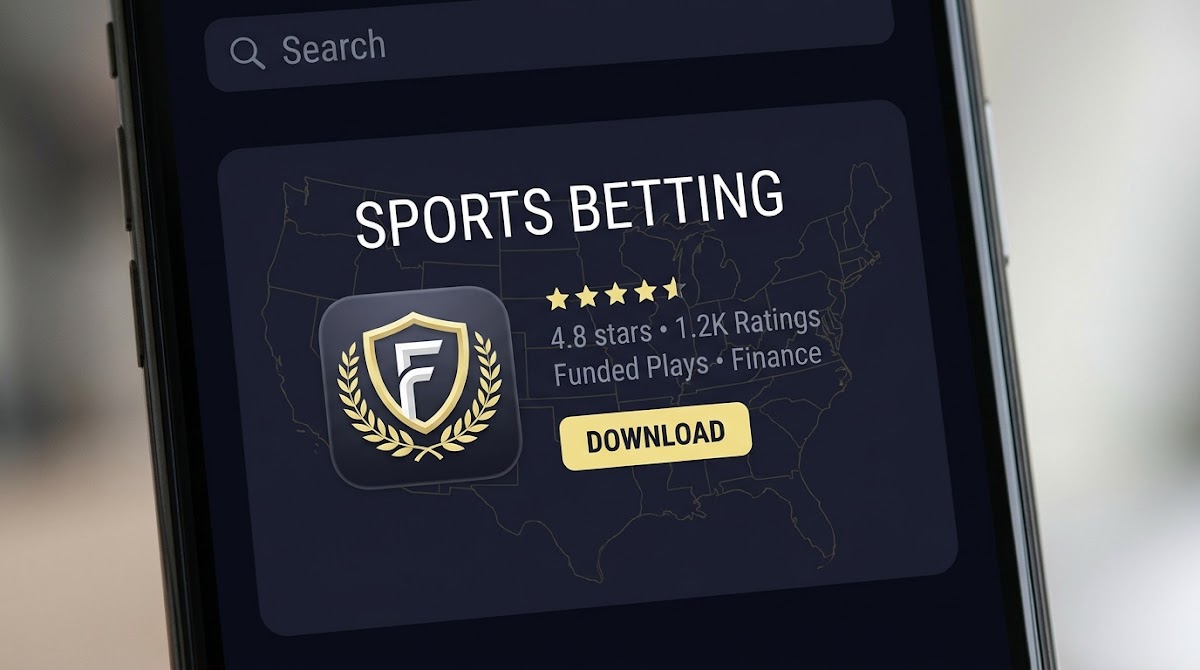
What "1st bet app download" means and why state laws matter
Definition: app availability versus legal permission
The phrase "1st bet app download" is commonly used by people who want to find, install, and start using a mobile platform that offers sports-related wagering or prediction services. In plain language, it covers two separate steps: locating the app in an app store and completing any required account setup or verification so you can actually place entries or participate. App visibility in an app store does not automatically mean you have legal permission to use the service where you are located, so it helps to keep those two ideas distinct.
When someone looks for a 1st bet app download, they often expect a straightforward install. In practice, state rules, age checks, and geolocation enforcement determine whether the installed app can be used for its intended purpose in a particular jurisdiction. An app can appear in a store but block a user at login, or it can be unavailable in a store region while still being licensed in some states. That mismatch is why it is important to check lawful use, not only store availability.
Find official state regulator pages or an app state availability checker
Save a dated screenshot of any checks
In the United States, regulation of gambling and similar activities typically happens at the state level, so whether an app can be used often depends on state law and licensing. Governments and platforms commonly enforce those limits by requiring users to meet age and residency criteria and by using geolocation to verify that a user is physically in an allowed area when making entries.
Geolocation tools check where your device is located at key moments such as account creation, login, or when an entry is submitted. Those checks are why simple tactics like changing a profile address or relying on a credit card tied to a different state may not be enough to gain lawful access. If you are evaluating a 1st bet app download, remember that the platform's own verification systems and the state's rules together determine whether your use is permitted.

App stores show content by region and developer settings, which means an app might be visible or hidden depending on the store region assigned to your device. That distribution is separate from legal permission. An app published worldwide can still restrict functionality by state, and conversely an app limited to certain store regions might be fully compliant where it is allowed.
Because app availability is not the same as legality, focus on the regulatory test: can you lawfully use the service from where you will be participating. If that test is uncertain, do not proceed with account creation until you confirm with an official regulator or the platform's support resources.
How to check if 1st bet is legal in your state
Step 1: Check your state gambling regulator or licensing page
Start by locating your state's regulator or licensing authority website and searching for guidance on sports wagering or skill-based prediction platforms. The regulator site is the primary official source to confirm whether a specific type of product is permitted, what licensing looks like, and whether there are public notices or operator lists you can review.
Look for keywords such as licensing, permitted activities, or consumer guidance on the regulator page. If the regulator provides an operator list or a public notice about app availability, that will be the clearest indicator of whether you can lawfully use the service from inside your state.
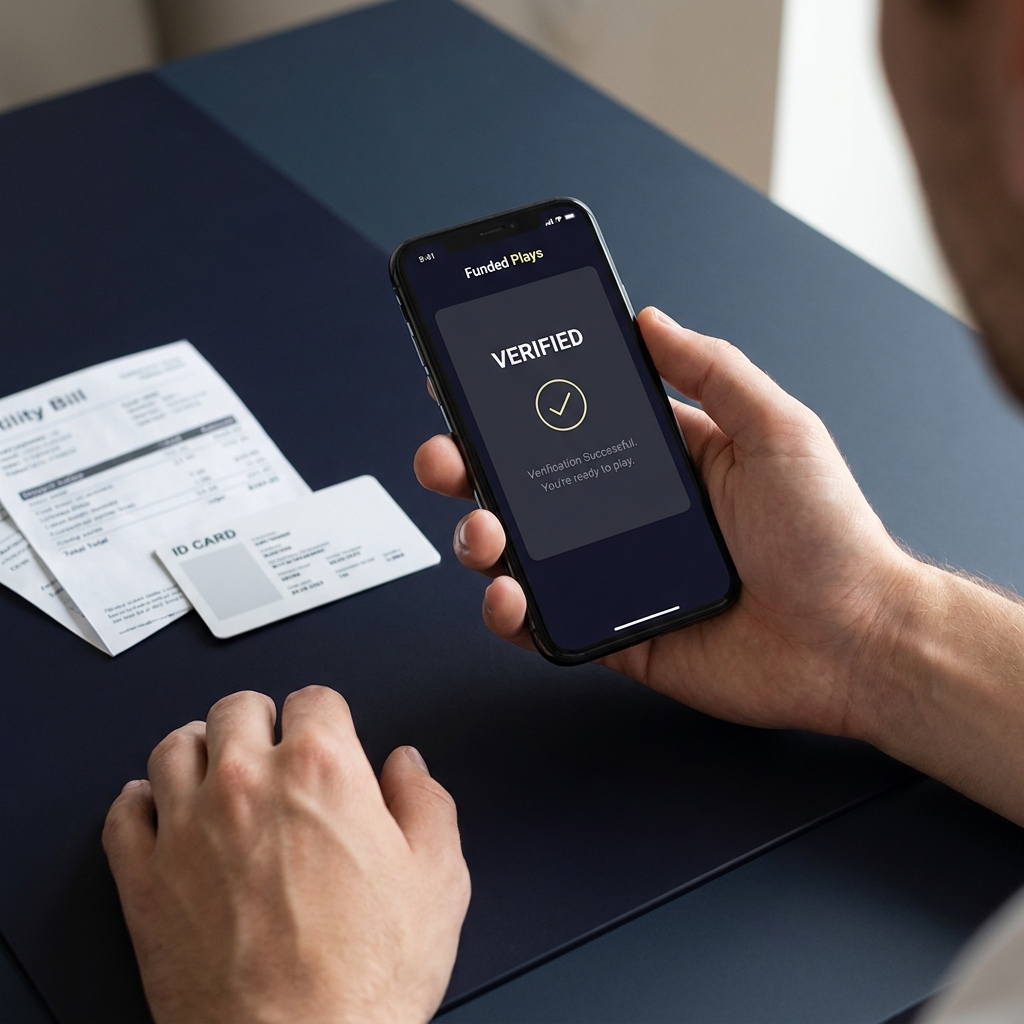
Next, while physically inside the state, open the Apple App Store or Google Play and search for the app by name. Availability in the store while you are physically in the state is a practical sign that distribution is permitted for devices in that location. If you cannot find the app from within the state but can from elsewhere, that is a signal to pause and verify legal status before attempting to install or register.
Keep a dated screenshot of the app store search results taken while you are in-state. That record can help clarify what you saw if there is later confusion during verification or support requests. App store visibility is not definitive proof of lawful permission, but it is a useful part of a careful check.
Step 3: Read terms of service and age and residency rules
Carefully read the app's terms of service, user agreement, and any age and residency rules published by the platform, including materials published on the operator's website (1st.com). These documents explain who may use the service, what verification is required, and what geographic restrictions apply. Pay attention to minimum age requirements and any statements about acceptable proof of residency.
If the terms are unclear or you find conflicting information, contact the app's customer support with a concise inquiry and keep records of the response. If you remain uncertain, consult your state regulator. This article is informational and does not constitute legal advice, so rely on official sources for final confirmation. See the blog for related guides at https://www.fundedplays.com/blogs.
How to do a 1st bet app download safely when you are in an allowed state
Official app store download steps for iOS and Android
If you have confirmed lawful access, use the official Apple App Store for iOS devices or Google Play for Android devices to download the app (see the Apple App Store listing at https://apps.apple.com/us/app/1-st-bet-horse-race-betting/id1446768506). Search for the exact app name and verify the developer name listed in the store entry to ensure you are downloading the legitimate publisher. Confirm the app's reviews, download counts, and required permissions before tapping install.
After installation, open the app and follow the in-app onboarding steps. Expect to provide proof of age and residency, and be prepared to complete any identity verification processes the platform requires. Keep copies of any confirmation emails or on-screen receipts that document your setup attempt.
Confirm legality by checking your state regulator's guidance, verifying app availability in the app store while physically in-state, and reviewing the platform's terms for residency and age rules. If unclear, contact the regulator or the platform for clarification.
Avoiding unsafe sideloads and the risks of VPNs
Do not sideload apps from unofficial sources or third-party app stores. Those versions can be altered, pose malware risks, or be deliberately designed to mimic legitimate services. Sideloading bypasses platform protections and often violates terms of service, which can result in account suspension or worse.
Using a VPN or proxy to appear in another state to bypass geolocation checks is similarly risky. Platforms typically have terms prohibiting manipulation of location data, and detection of such behavior can lead to denied verification, account closure, or forfeiture of any progress or rewards. Use only legal and transparent means to confirm access.
Device requirements, account verification and age checks
Before you download, make sure your device meets the app's system requirements and that you have valid identification documents that match the platform's verification rules. Common requirements include a government ID for age and identity confirmation and a proof of residency document if the platform requires it. Have those files ready to upload in the formats the app accepts.
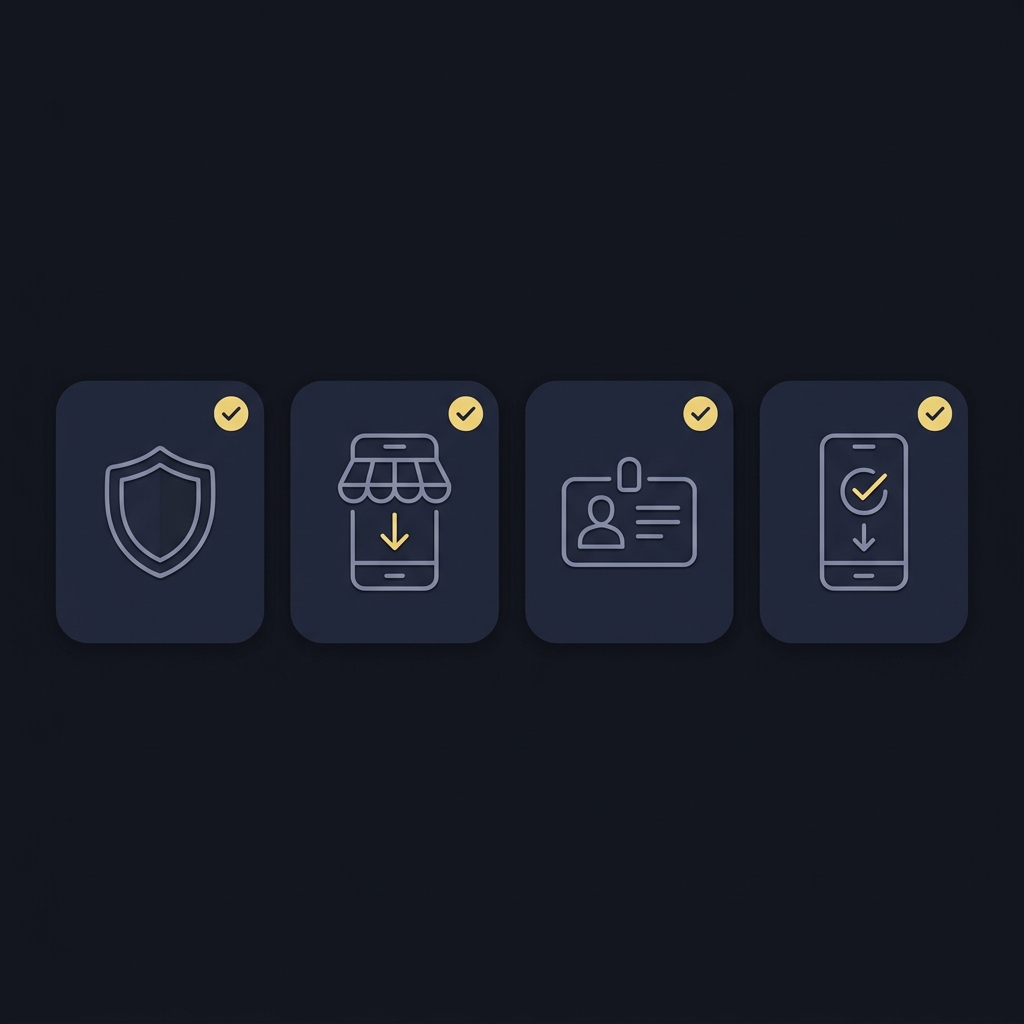
When completing verification steps, follow the app's instructions carefully. If the app requests a live selfie for identity matching, ensure the lighting and framing are clear to reduce verification delays. If verification is rejected, review the feedback from support and resubmit the requested documentation rather than creating multiple accounts.
Eligibility and legal requirements for using 1st bet
Typical age and residency rules
Most platforms require users to meet a minimum age, and many also require that users be physical residents of a jurisdiction where the service is permitted. Check the platform's stated age minimum and read whether any residency test applies at registration or at the time you submit entries.
Meeting an app's stated eligibility requirements is necessary for account setup, but it does not replace official legal confirmation. Even if a platform accepts your registration, local law could still restrict certain activities, so verify with your state regulator if you have any doubt.
How geolocation and identity checks work
Geolocation uses a combination of GPS, Wi-Fi, cell tower data, or IP-based methods to confirm where your device is located. Platforms may perform these checks at key moments such as account creation, when you place an entry, and during verification events. If the geolocation data places you outside an allowed area, the app typically blocks further action until you are physically located in a permitted jurisdiction.
Identity checks often compare a government ID image to a live selfie and match name and date of birth against public or proprietary databases. These checks are intended to prevent underage use, fraud, and circumvention of residency rules. Be accurate with the personal information you provide and keep supporting documents ready.
What to expect during verification
Verification can be instantaneous or take several days depending on the platform's processes and whether manual review is required. Typical outcomes are instant approval, a request for clearer documentation, or rejection with instructions. If verification is delayed, keep a record of your submission time and the support ticket number if provided.
Remember that verification approval is not a legal opinion. If you need an authoritative determination of legality, consult official state resources or seek legal counsel for questions of compliance beyond routine account verification.
Common mistakes when attempting a 1st bet app download
Using VPNs or proxy services
One frequent mistake is using a VPN or proxy to make a device appear to be in a different state. While a VPN can change your IP address, many platforms detect VPN use and others use device-level geolocation that cannot be masked by a simple IP change. Detection can result in blocked logins, verification failures, or account suspension.
Avoid attempting to bypass geolocation checks because the platform's terms and state rules often prohibit that behavior. If you genuinely need to know whether the app works in another state for travel reasons, consult the platform guidance and keep your activity consistent with the terms of service.

Downloading fake or unofficial apps
Fake or unofficial apps can mimic store listings and even use similar names. To reduce the risk, verify the developer name in the app store entry, check the permission list for anything unusual, and read user reviews for authenticity signals. If you suspect a fake app, report it to the app store and contact the platform's support to confirm the official listing.
If you mistakenly install the wrong app, uninstall it immediately and run a device security scan. Then reinstall only the version published by the verified developer in the official app store. Preserve any relevant screenshots to show app store listings during support or complaint processes.
Misunderstanding app store region settings
Changing your app store region or attempting to use an account set to a different country or state can lead to unexpected results. Some store changes can affect payment methods, available titles, and app updates. If you change store region settings to try to see an app, understand the broader implications for your device ecosystem and whether that action violates the app's terms.
When you encounter verification delays or rejections, open a support ticket with clear documentation and avoid creating multiple support requests that might slow resolution. Being organized and patient while following the platform's guidance often clears up common issues faster than repeated account attempts.
Alternatives if 1st bet is not available in your state
Legal sweepstakes and skill-based prediction platforms
If a particular app is not available where you live, consider lawful alternatives that use sweepstakes or skill-based mechanics. These platforms do not rely on state betting licenses in the same way and often operate under different legal frameworks. Evaluate whether the alternative's rules, payout mechanics, and verification requirements fit your needs before participating. For overviews, see reviews such as this BettingUSA review.
When reviewing an alternative, check whether the provider publishes clear rules, has transparent verification, and follows consumer protection norms. Platforms that clearly state their operating model, eligibility rules, and contact options are easier to assess for legal compliance and safety.
Daily fantasy and pools with legal frameworks
Daily fantasy formats and private pools are other lawful options in jurisdictions where state law or licensing makes typical sportsbook-style apps unavailable. These formats often have specific rules about prize structure, entry methods, and operator responsibilities, so read their terms carefully. Ensure any choice you make is consistent with local law.
Remember that participating in any platform outside your jurisdiction without confirming legality can create personal and financial risk. Avoid traveling to another state solely to use an app without understanding both the platform's rules and the local laws applicable to that activity.
Local, state-compliant options and in-person formats
In some cases, states permit in-person facilities or licensed local operators to provide services that are restricted online. If mobile access is blocked where you live, a state-licensed in-person option may exist. Check official state resources for a directory of licensed operators or permitted formats before pursuing those paths.
Choosing a local, licensed operator can provide additional consumer protections. Licensed operators are typically subject to oversight, reporting, and dispute resolution mechanisms that unlicensed services may not offer. Prioritize licensed and transparent options when available.
Real world scenarios: example checklists and download steps
Scenario A: resident in a state where app is allowed
Checklist for residents in allowed states: confirm the app appears in the local app store while physically in-state, verify the platform lists your state in its terms of service, prepare identification and proof of residency documents, and follow the official download and verification steps through the app store. Keep dated screenshots and any confirmation emails for your records. See a related checklist on our blog at https://www.fundedplays.com/blogs/how-fundedplays-evaluations-work.
When you complete setup, test a basic account action consistent with the platform's rules and confirm that geolocation checks permit the activity. If a verification step requests additional documentation, supply it promptly and save correspondence with support if needed.
Scenario B: traveling temporarily outside your home state
If you are traveling, understand that geolocation checks may treat you as outside your licensed state. Before attempting to use the app, check the platform's travel or temporary access policy and ensure you comply with any stated restrictions. Some platforms block access entirely when you leave your home state, while others allow limited actions.
If the app is blocked while traveling, avoid attempts to circumvent the restriction. Instead, document the block and resume normal use only when you are back in a permitted location. If you need to prepare for travel, confirm rules ahead of time and carry needed identification in case you must verify your status.
Ready to check your eligibility?
Run the scenario checklist above and verify your state rules and app store availability before downloading or attempting account verification.
Scenario C: moved residence and need to update verification
After moving, update your profile and provide any requested proof of residency to the platform. Typical documents include utility bills, lease agreements, or other official mail that show your new address. Follow the platform's instructions and be prepared for manual review if automatic verification does not accept your documents.
If verification fails after you move, contact support with clear documentation and a concise explanation. Keep copies of submissions and the support ticket number. Avoid creating new accounts to bypass residency checks, as that can violate terms and complicate resolution.
Summary and next steps for a safe 1st bet app download
Quick recap checklist
Before attempting a 1st bet app download, confirm legal permission with your state regulator, verify app store availability while physically in-state, read the platform's terms and prepare identity and residency documents, and avoid sideloads or VPN workarounds. Keep dated records of your checks and any communications with support.
For final confirmation of legality in your jurisdiction, rely on official state resources and the platform's published terms. Act responsibly and do not assume that seeing an app in a store means you are authorized to use it from your location.
Visit https://www.fundedplays.com for additional site resources.
Check your state regulator website for guidance, verify the app appears in the app store while physically in-state, and review the app's terms of service for residency and age rules.
No. VPNs can violate platform terms and may lead to verification failures or account suspension when detected.
Review the rejection reason, resubmit clearer documentation if possible, and contact platform support while keeping records of your submissions.
References
- https://www.fundedplays.com/challenges
- https://apps.apple.com/us/app/1-st-bet-horse-race-betting/id1446768506
- https://www.1st.com/bet
- https://www.bettingusa.com/racing/reviews/1st-bet/
- https://www.fundedplays.com
- https://www.fundedplays.com/blogs
- https://www.fundedplays.com/blogs/how-fundedplays-evaluations-work