

1bettor sports: Why asking "What was the first sports bet?" matters
Asking "What was the first sports bet?" is more than idle curiosity. The phrase 1bettor sports captures a contemporary interest in tracing long traditions back to a single moment, but historians and evidence-minded readers need clear definitions and careful sourcing before accepting striking claims.
Headlines and social posts often repeat simple answers, yet those answers typically compress complex evidence and contested interpretations. Different cultures have had practices that resemble betting, prediction, or ritual exchange, and the language we use to describe those practices matters for whether we call them a bet or something else.

When someone asks about a first instance, they are usually trying to connect modern practices to a longer story. That story can be illuminating, but it also risks presenting a single narrative where the record is fragmentary. Recognizing the limits of the historical record helps keep conclusions measured and useful.
Definitions and how historians define a 'first sports bet'
What counts as a 'bet'?
For practical purposes, historians distinguish between informal predictions and formal wagers. A working definition used in this article treats a bet as an agreement that includes at least three elements: a stake that one or both parties stand to gain or lose, an identified set of participants, and a clearly specified contest or outcome that determines who wins the stake.
This definition separates casual conversation or ritual expression from what most modern readers expect when they hear the word bet. It also matters because a single surviving line in a poem may describe someone hoping for a team to win without showing that an enforceable stake was agreed.
Types of evidence historians use
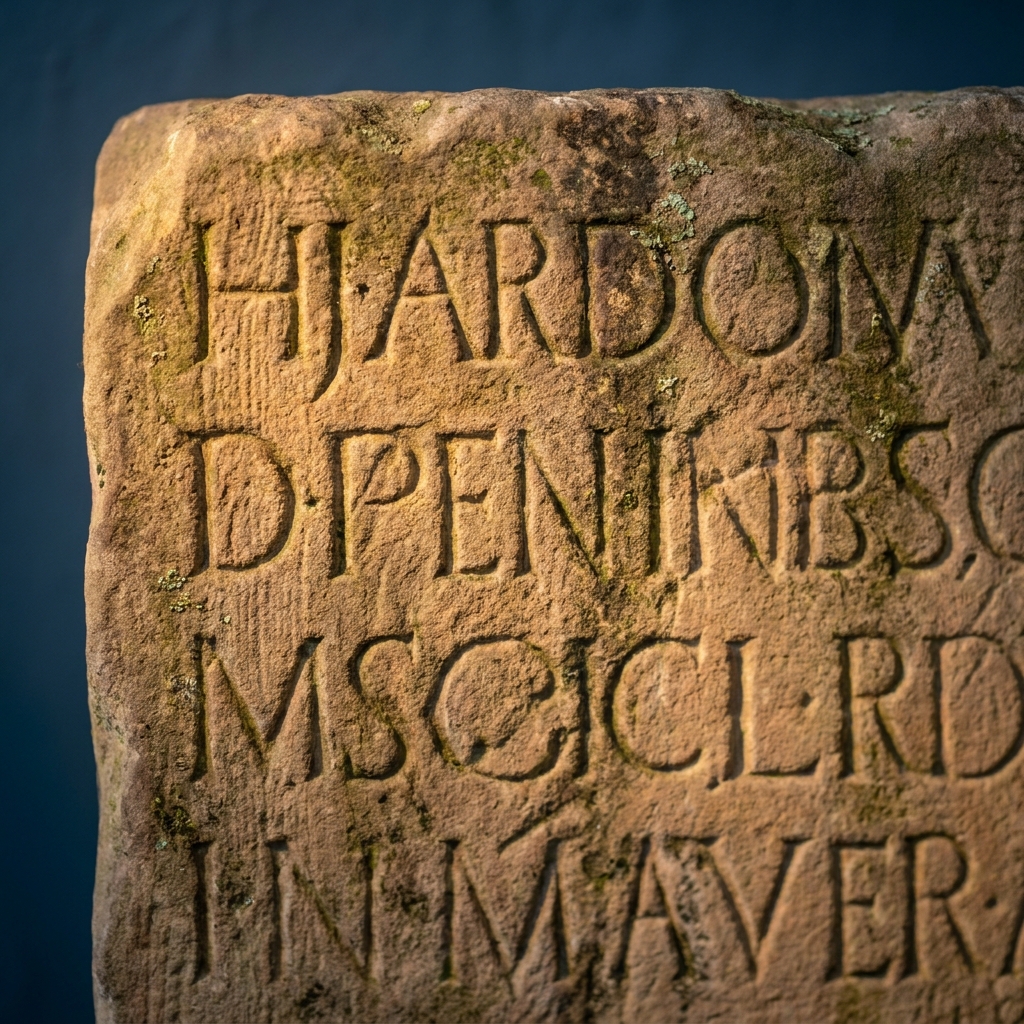
Historians rely on several primary evidence types when judging whether an event qualifies as a bet. These include inscriptions or carved texts that record agreements, legal codes that regulate disputes over stakes, contemporary narrative accounts that describe agreed wagers, and material culture such as tablets, receipts, or labeled objects tied to an exchange.
Each type of evidence has strengths and weaknesses. An inscription can be durable but terse and hard to interpret, while a narrative account might be vivid but written long after the event it describes. Translation issues and contextual gaps complicate any single piece of evidence, so scholars prefer multiple, independent attestations.
Earliest recorded wagers and their contexts - 1bettor sports angle
Many readers imagine a single, well-documented moment when someone placed the first sports bet. In reality, the record is a patchwork of examples that look different depending on language, culture, and what survived. When we look for early wagers linked to contests such as races or athletic events, we should attend to how closely the surviving evidence matches the working definition given above.
Some surviving texts and artifacts describe exchanges around contests that resemble wagering. Others show social practices that mix ritual, reputation, and exchange in ways that do not fit neatly into the modern concept of a bet. These differences matter when we try to name an origin for sports wagering.
Try a structured challenge to test prediction skills
Keep reading to learn a practical checklist you can apply when you see a bold claim about the first sports bet.
Using a 1bettor sports perspective means treating early examples as plausible candidates rather than definitive proof. That perspective encourages asking what kind of evidence would move a claim from plausible to convincing.
How to evaluate claims: sources, reliability, and common pitfalls
Primary vs secondary sources
Primary sources are the raw material of historical claims: inscriptions, legal records, diaries, and contemporaneous accounts. They usually carry more weight than later summaries because they are closer in time to the events they describe. Secondary sources interpret and synthesize primary materials, and they can be useful, but they may also introduce errors if the author relies on a single ambiguous text or reads modern categories into ancient practices.
When you encounter a claim about an early wager, ask whether it is based on a primary source and, if so, how that source is quoted or described. If the claim rests on a chain of secondary sources, treat it with more caution until you can access the base document or a reliable translation.
Misinterpretations and anachronisms
Common pitfalls include using modern vocabulary to describe past practices and assuming continuity of meaning across centuries. Terms like odds, bookmaker, or gambling market imply social and institutional structures that may not have existed. Survivorship bias is another issue: spectacular or literate cultures leave more records, making it tempting to treat their surviving examples as universal origins.
Simple verification steps help readers evaluate claims: look for the original source or a reputable translation, check whether multiple independent records support the claim, and ask whether the described practice matches the working definition of a bet rather than being a ritual or informal hope.
Decision framework: When can we reasonably call an event the 'first sports bet'?
Criteria checklist
To make assessment practical, use a short checklist that captures the core elements historians look for. The checklist focuses attention on whether an example meets basic standards of documentation and context rather than on colorful narrative appeal.
The checklist below helps sort stronger candidates from weaker ones. It is intended as a guide, not a formal certification.
Quick checklist to assess whether a historical event can be called the first sports bet
Use as a heuristic, not proof
Applying the checklist to examples
Apply the checklist step by step. First, ask whether the source records a stake that was at risk. Second, confirm whether specific participants are named or otherwise identifiable. Third, check that the contested outcome is clearly described so that success or failure could be determined. When all three are present in independent or contemporaneous records, a candidate gains credibility.
Even when the checklist is mostly satisfied, open questions often remain about enforceability, whether the stake was symbolic, and how typical the recorded event was within its society. Cultural variance matters: some societies formalized agreements differently or recorded them in formats that do not survive well for modern readers.
Common errors and myths about the first sports bet
Popular myths
One persistent error is to equate ritual offerings with formal wagers. Ritual acts that involve gifts or promises can look like bets in translation, but they may be oriented to religious or civic obligations rather than competitive exchange based on uncertain outcomes. Another myth treats any early description of competition as evidence of organized wagering, when the text actually records boasting, reputation management, or poetic metaphor.
Modern terms and institutions shape perception as well. For example, the idea of a bookmaker or regulated betting market is a modern construct, and projecting it backward can create misleading narratives. Viral articles sometimes simplify a complex debate into a single memorable anecdote, which is useful for attention but unreliable for scholarly certainty.
How modern terms shape perception
When people read about past contests, they often assume the same incentives and contract forms existed as today. That assumption can mislead because different social systems distributed risk, reward, and reputation in non-modern ways. Checking the function of the exchange in context helps avoid this mistake.
Avoid relying on single secondary sources or sensational headlines. Instead, prefer multiple attestations and cautious language about uncertainty; good historical practice emphasizes degrees of confidence rather than definitive firsts.
Practical examples and scenarios: plausible candidates and why they matter
Case study 1: ancient athletic contests
Ancient athletic contests are natural places to look for wagering-like practices because they produced clear winners and losers and attracted social attention. To evaluate any specific example, ask whether an account records an agreed stake and identifies the participants and outcome in ways that match the checklist.
Even when descriptions mention exchange or reward, they sometimes refer to prizes awarded by organizers rather than private agreements between observers. Distinguishing between reward structures formalized by event organizers and private wagers among spectators is crucial.
Case study 2: horse and chariot races
Racing events have often been associated with exchange and reputation. Reports that suggest bets around races may reflect informal promises or endorsements rather than enforceable stakes. For a race-related claim to be persuasive, the evidence should indicate an explicit agreement between parties tied to the race result, not merely enthusiasm or investment in a horse or chariot.
Geographic variations matter here. Different communities recorded racing activities in different ways, and the presence or absence of documentation depends heavily on which records survived and how literate or administrative those societies were.
Case study 3: medieval tournament wagers
In the medieval period, tournaments and jousts attracted attention and often involved reputation, honor, and material exchange. Some surviving accounts hint at agreements or side bets among participants or spectators. Determining whether these count as formal bets requires examining whether the exchanges met the checklist criteria and whether contemporary law or custom treated them as enforceable wagers.
There is no single, universally accepted first sports bet; historians rely on definitions and documentary criteria to evaluate plausible candidates and treat early examples as informative but not definitive.
Each of these cases contains elements that make them plausible, but none is likely to satisfy all scholars as the single first sports bet. The diversity of social contexts and documentary survival means plausible candidates will come from multiple times and places rather than a single agreed origin.
Conclusion: A cautious answer and what 'first sports bet' teaches us
The short, cautious answer is that there is no single, universally accepted first sports bet. Definitions, documentary survival, and cultural differences make a definitive label unlikely. What matters more is applying careful criteria when a claim arises and treating early examples as informative candidates rather than settled origins.
For readers exploring sports history or interested in skill-based prediction today, the lesson is to value evidence and definition. Modern skill-based platforms emphasize structured challenges and clear rules rather than uncertain, undocumented claims about origins, which is why approaches that focus on transparent criteria are useful in both historical and contemporary contexts.
When you encounter a claim about an early wager, ask whether it is based on a primary source and, if so, how that source is quoted or described. If the claim rests on a chain of secondary sources, treat it with more caution until you can access the base document or a reliable translation.

Even when descriptions mention exchange or reward, they sometimes refer to prizes awarded by organizers rather than private agreements between observers. Distinguishing between reward structures formalized by event organizers and private wagers among spectators is crucial.

No. Historians generally avoid naming a single first instance because definitions and surviving evidence vary across cultures and periods.
A persuasive candidate usually shows a recorded stake, identifiable participants, and a clearly defined contest or outcome in contemporaneous sources.
Treat them skeptically, look for primary sources or reputable translations, and check whether multiple independent records support the claim.
References
- https://pmc.ncbi.nlm.nih.gov/articles/PMC7780080/
- https://www.britannica.com/topic/gambling/History
- https://us.humankinetics.com/blogs/excerpt/a-brief-history-of-sports-betting?srsltid=AfmBOooLOyuJT4H3sxS2B0uDFWVKvu2N5M99DAVd8keT_W6KUQrKL8n8
- https://www.fundedplays.com/challenges
- https://www.fundedplays.com
- https://www.fundedplays.com/blogs
- https://www.fundedplays.com/blogs/how-fundedplays-evaluations-work